
Empowering communities through education, health, and social change.

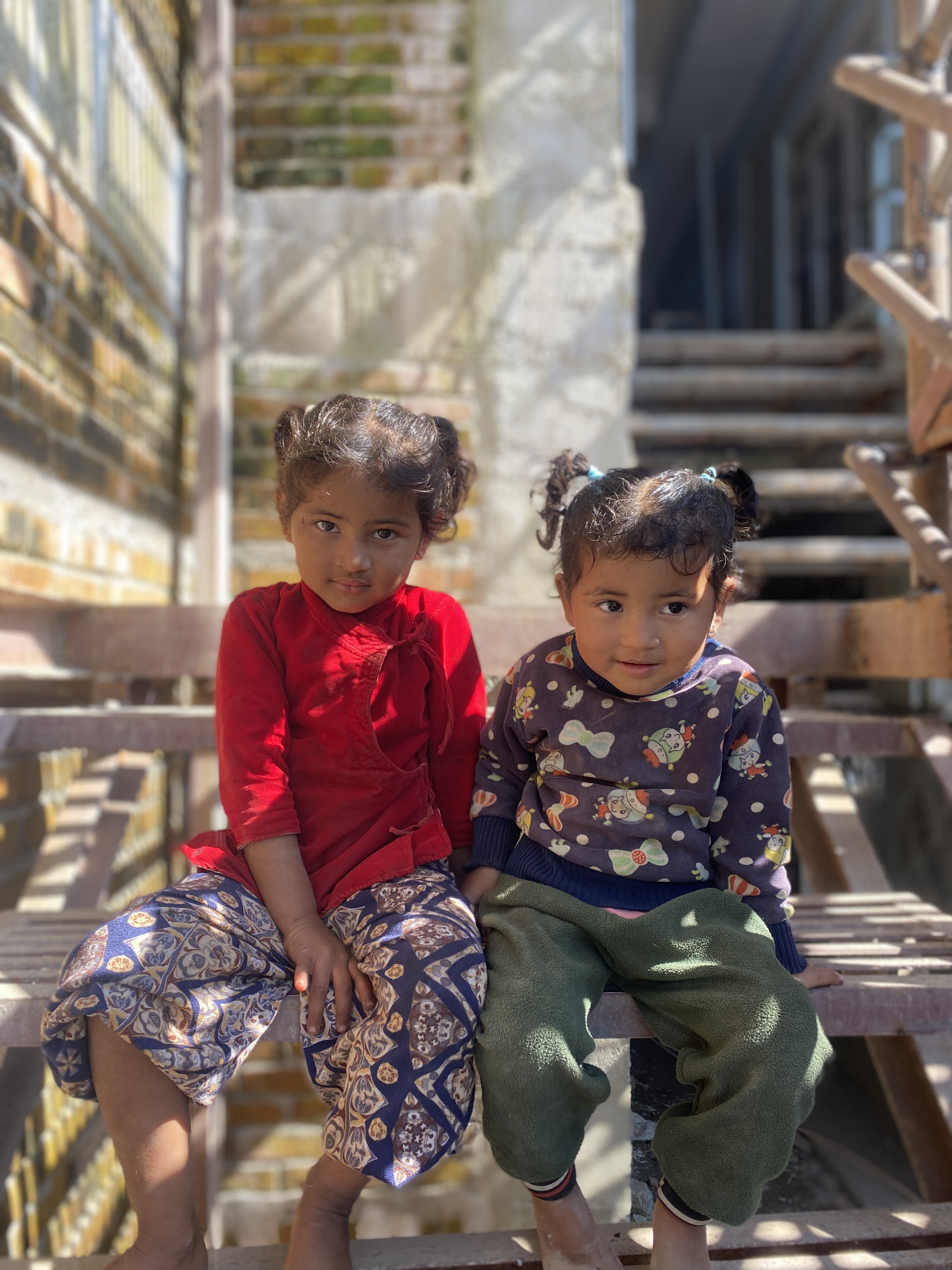
Hi, I'm Deepti Thapa — a youth advocate from Nepal passionate about education, gender equality, and community development.

I believe that meaningful change begins at the grassroots — with awareness, access, and action.

🔗 Learn More About Me Explore My Projects Read My Research

Featured Work

Nepal Through My Eyes

A visual and written series where I document the stories, people, and places that shaped my perspective. It's about capturing the beauty, struggles, and resilience of my country — through my lens.

Explore Nepal Through My Eyes
Deepti Thapa

Who I Am

Hello! I'm Deepti Thapa, a passionate advocate for children and education from Nepal. I believe in a world where every child has the chance to learn, grow, and dream without limits. I'm on a mission to weave together learning, health, and opportunity to create a brighter future for my community.

My Journey

My journey began not in a lecture hall, but in a lively orphanage classroom, surrounded by the bright, eager faces of children. While navigating my own formal studies, I discovered my true classroom was right there. I saw that real learning isn't just about formulas and facts; it's about fostering confidence, sparking creativity, and showing care. This realization ignited a beautiful shift in my path, from studying complex systems to building human-centered solutions filled with joy and purpose.

My Work

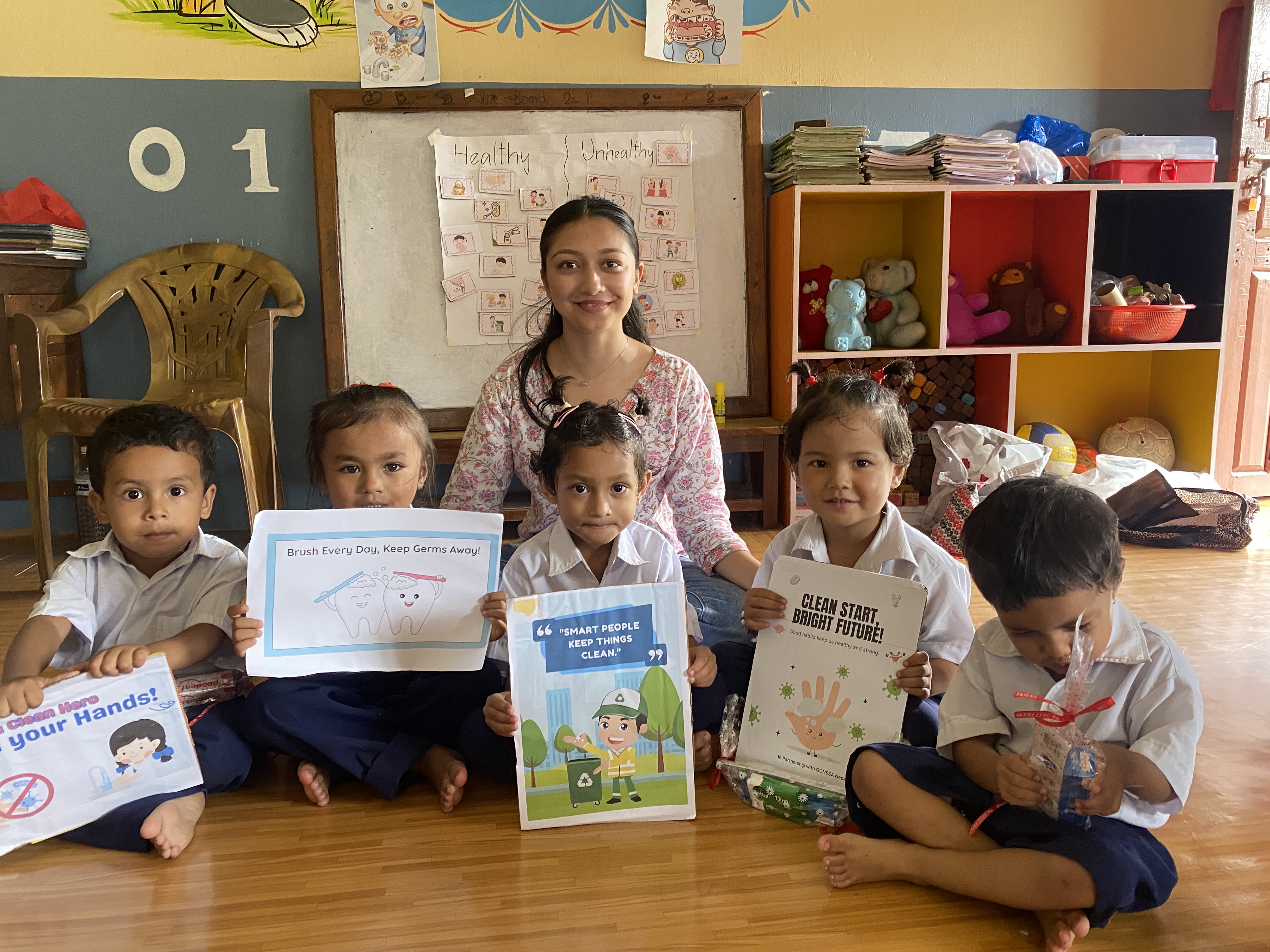
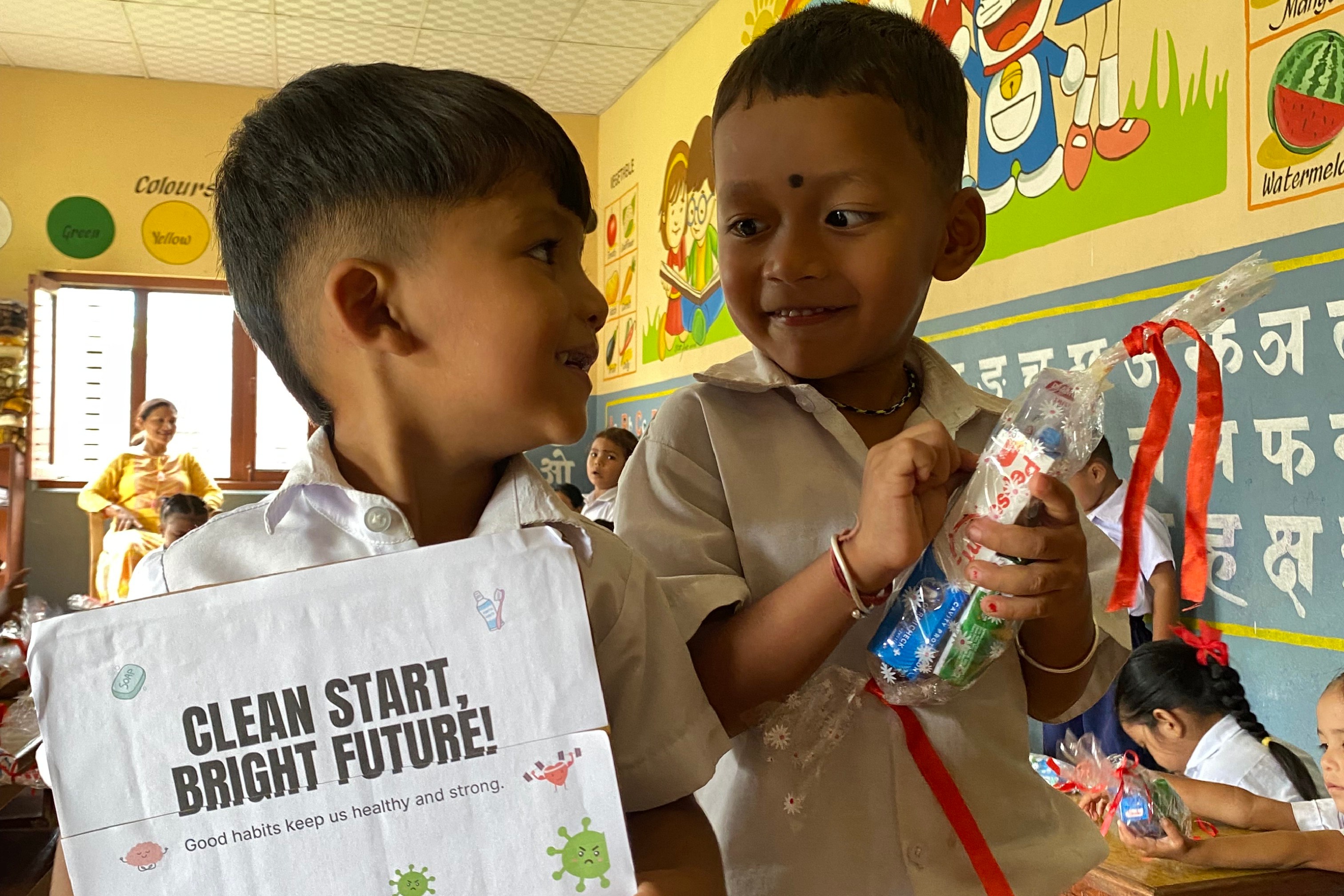
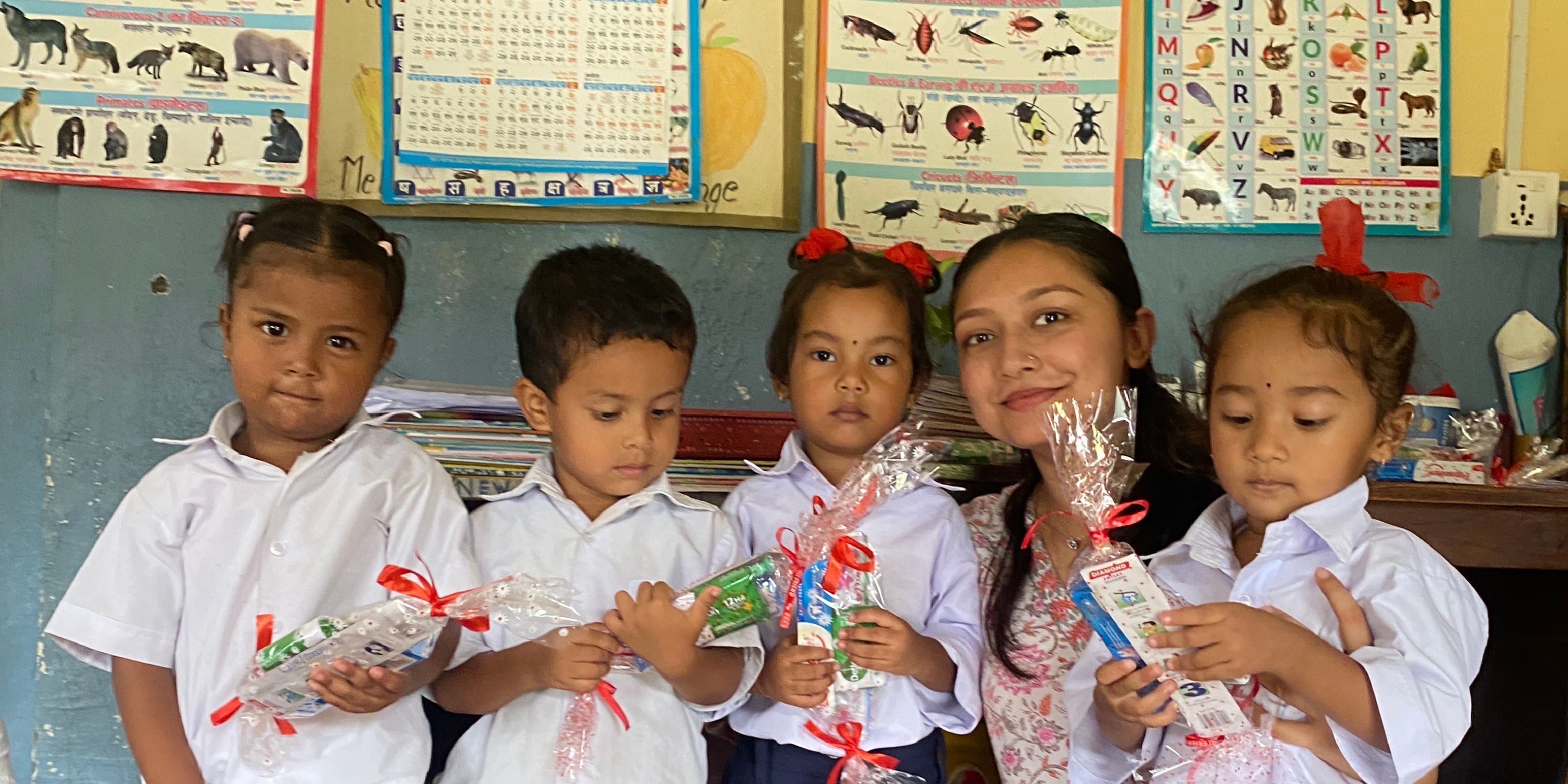
The Clean Start Project: Founded out of a simple need, this initiative brings health and hygiene education to children in orphanages and underserved communities. We turn lessons into songs and toothbrushes into tools of empowerment. With the amazing support of GONESA Nepal, we've created a ripple of smiles and healthy habits, reaching over 100 children.

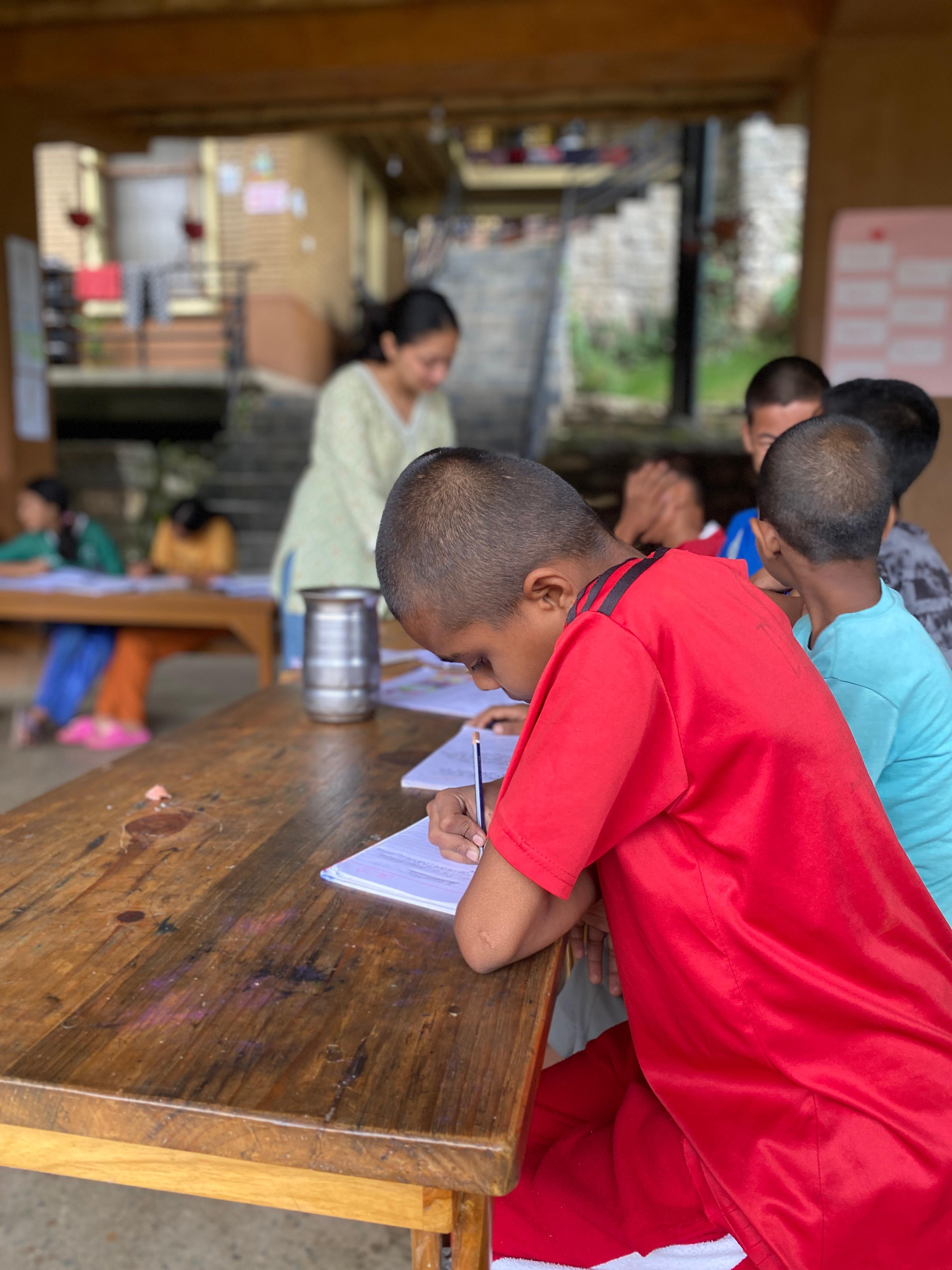
Teaching & Curriculum Design: At the Annapurna Orphanage, I don't just teach English; I co-create a learning experience. I developed a special curriculum that blends language skills with life skills, helping children find their voice and build the confidence to use it.

Research on Women's Education: I'm passionate about understanding how education transforms lives across generations. My independent research explores the stories of Nepali women, investigating how literacy opens doors not just to knowledge, but to agency, leadership, and lasting social change.

Nepal Through My Eyes: I believe in the power of stories. Through my writing and video series, I share the Nepal I know and love—its resilience, its beauty, and the powerful, often untold, stories of its people. It's my way of connecting my community to the world, and the world to my community.

My Vision

I dream of a Nepal where every child, in every village and city, has access to an education that doesn't just fill them with information, but helps them flourish as individuals. I see a future where initiatives like Clean Start are in every school, and where the stories of Nepali women and girls are heard loud and clear, shaping a more equitable society. I hope to continue my own education to gain the global perspective and advanced skills to scale this vision across the country.

Beyond Work

When I'm not teaching or researching, you'll find me bringing stories to life through animation on my YouTube channel, getting lost in a new book, or drinking too much milk tea while planning my next adventure. I love connecting with fellow dreamers and doers from around the world who believe that a little bit of heart can solve even the biggest challenges.

With gratitude and optimism,

Deepti Thapa

Featured Projects

Explore my work in education, health literacy, and community development through these key initiatives:

Clean Start Project - Hygiene Education

Overview

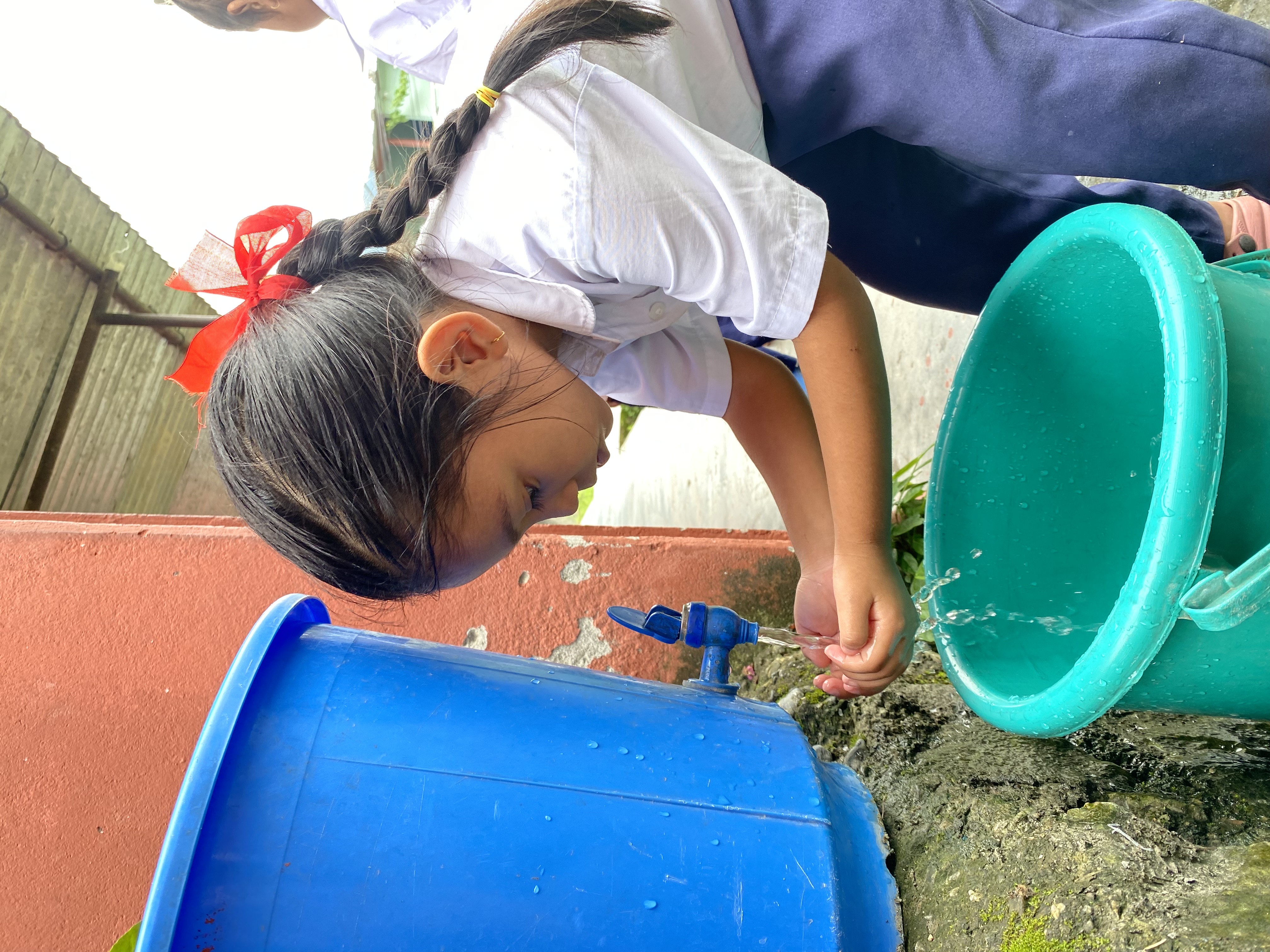
Clean Start is a youth-led initiative teaching hygiene, sanitation, and preventive health to children in orphanages and marginalized communities. Originally a small awareness project, it has now expanded through a partnership with GONESA Nepal, reaching schools and slum areas across the country.

Our Mission

We aim to create sustainable health practices through education and practical demonstrations:

  • Build hygiene literacy among children
  • Distribute hygiene kits and demonstrate proper use
  • Create sustainable habits through storytelling, visuals, and engagement
Clean Start Objectives

How We Teach

We use interactive and engaging methods to ensure children learn and apply knowledge:

  • Weekly hygiene sessions
  • English and health workshops
  • Interactive posters, roleplays, and art-based learning
  • Partnerships with NGOs and community schools
Clean Start Activities
Clean Start Project Impact

Our Impact

Through Clean Start, we've built stronger partnerships for sustainable change and created a foundation for ongoing health education in underserved communities.

100+
Children educated on hygiene
3
Partner communities reached
50+
Hygiene kits distributed

Future Vision

I plan to expand Clean Start into rural areas and collaborate with global organizations like UNICEF to integrate hygiene education into local school curricula.

🌱

Expand Reach

Extend to rural communities across Nepal

🤝

Global Partnerships

Collaborate with international organizations

📚

Curriculum Integration

Include hygiene in school programs

Voices of Change

Hear directly from the children and partners whose lives have been touched by Clean Start:

From Children

"Before Clean Start, I didn't know how to wash hands properly. Just splashing water! But now I wash really well with soap every day—before meals and after toilet. Now I don't get sick, and everyone calls me 'Clean Manisha'. All friends in the orphanage do the same, it's fun!"
— Manisha, Age 10, Orphanage Participant
"I learned why we should keep our surroundings clean. I even tell my friends at school!"
— Ramesh, Age 12, Slum Community Student
"The games and drawings made learning about hygiene fun. I like Clean Start a lot!"
— Anita, Age 9, Orphanage Participant

From NGO Partner

"Clean Start has created a meaningful impact in the communities we serve. The workshops are engaging, well-structured, and empower children with practical knowledge. We look forward to expanding this initiative together."
— Ram Prasad Subedi, Chairperson, GONESA Nepal
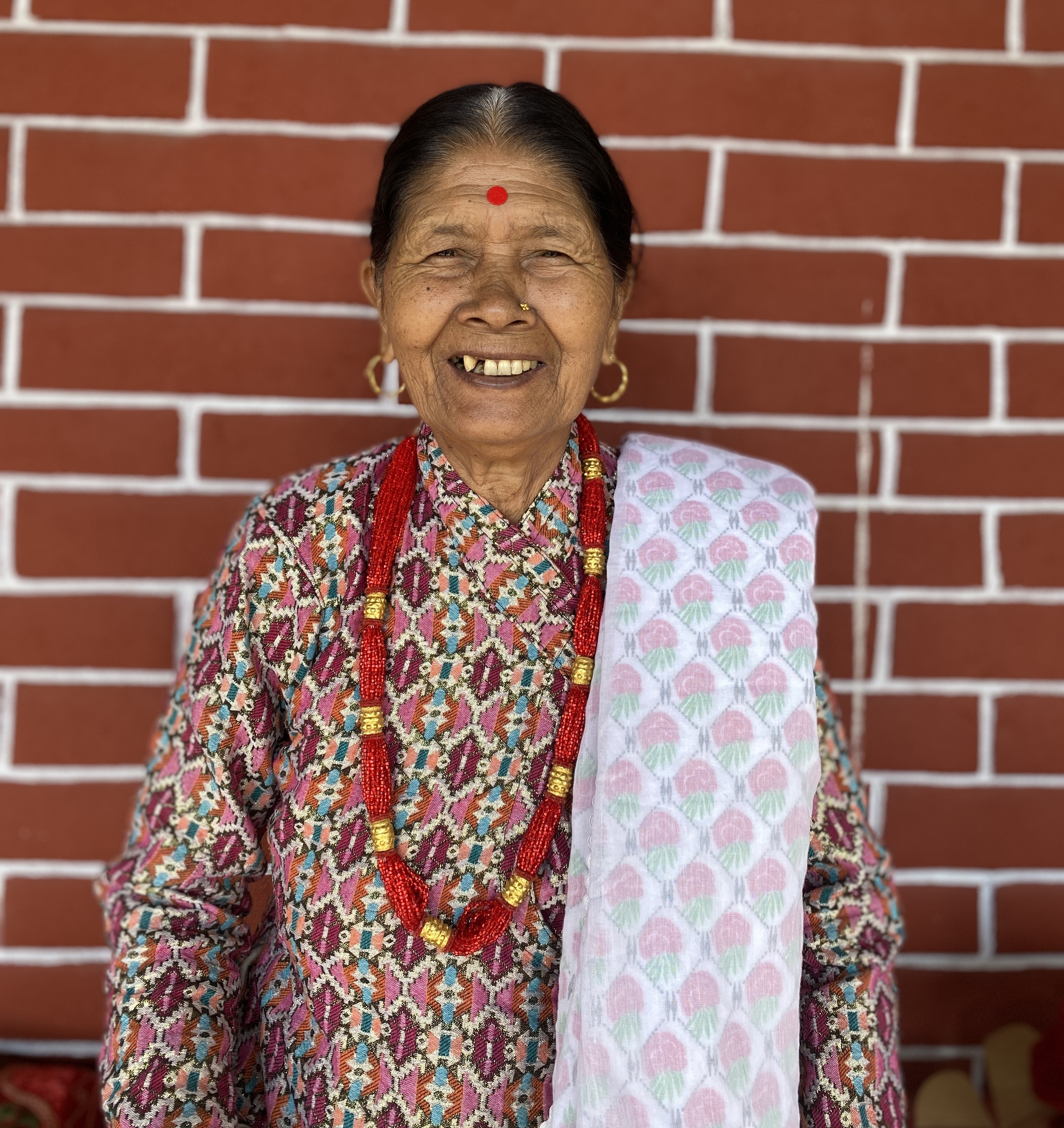
Nepali grandmother - Education across generations

Education & Empowerment: A Generational Story from Nepal

A personal research journey into the hopes and sacrifices of Nepali women

This research is close to my heart. Growing up in Nepal, I saw that education was more than just schooling—it was a doorway to a different life. I wanted to understand this journey by listening to the women who lived it.

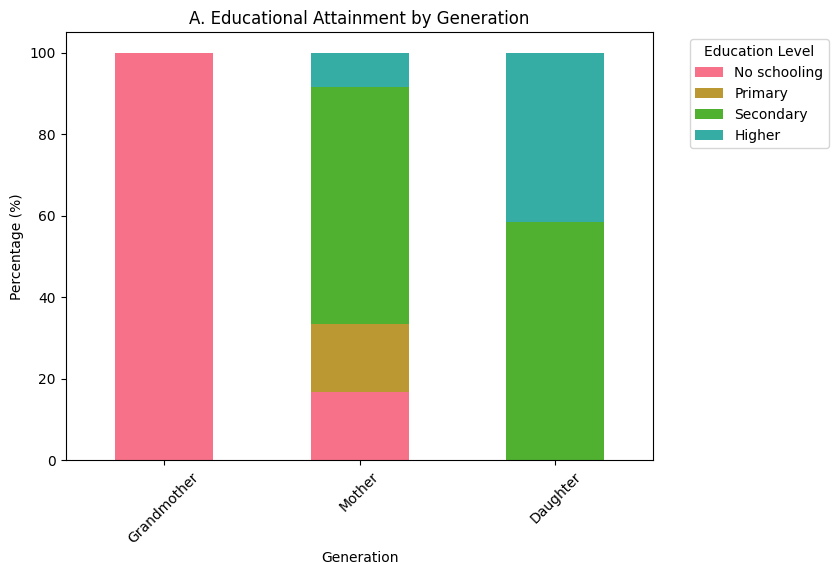
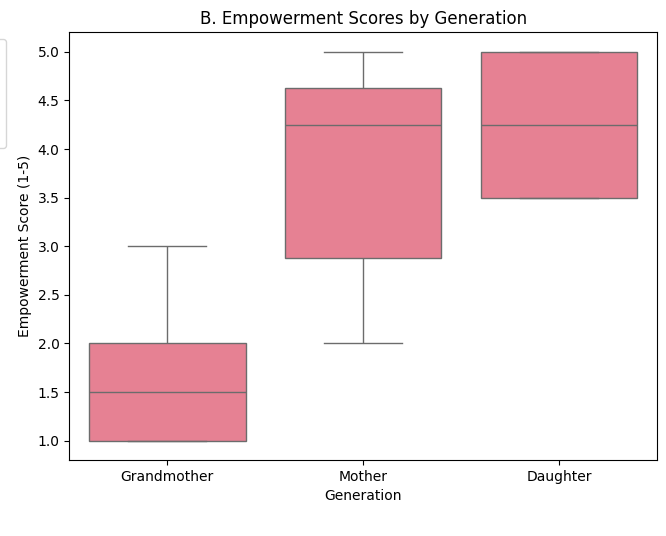
I spoke with grandmothers, mothers, and daughters from diverse backgrounds to trace the story of education and empowerment across three generations. What I found was a story of dramatic progress, shaped by profound sacrifice.

The Data of Change

"From 0% to 100%: The journey from universal illiteracy among grandmothers to full secondary education for daughters."

"A measurable rise in confidence, voice, and decision-making power with each new generation."

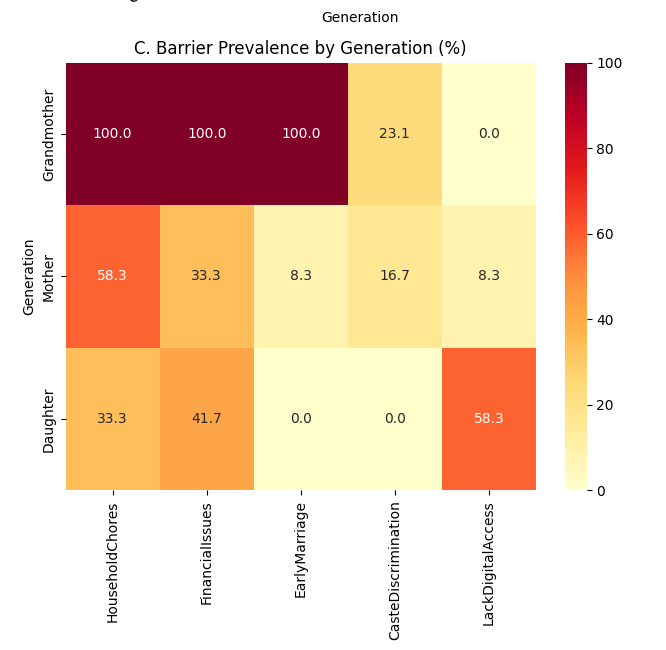
"The obstacles have evolved from household chores and early marriage to today's digital divide."

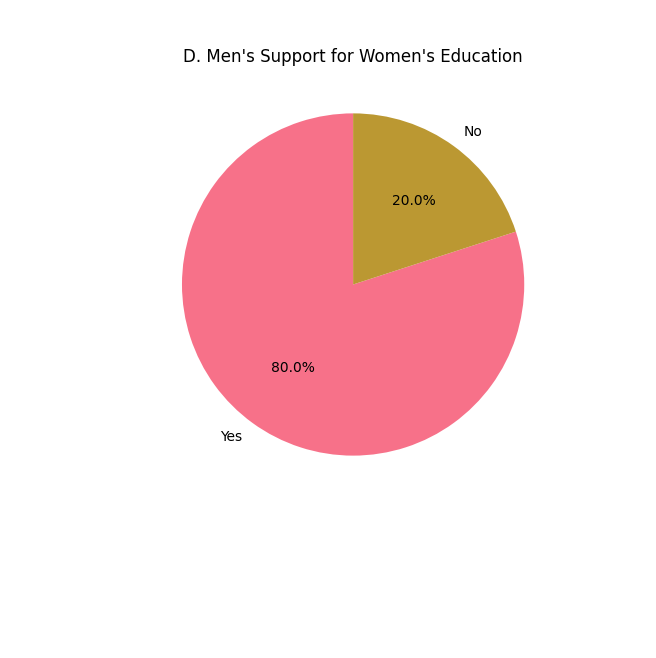
"83% of men now support women's education, signaling a slow but significant cultural shift."

The Stories Behind the Numbers

While the data shows the 'what,' these voices reveal the 'why'—the deep, personal cost of missed opportunity and the fierce hope for the next generation.

"My children are educated; they have good jobs in the city. They send me money and tell me, 'Go to a nice restaurant, buy yourself something beautiful.' But how can I? I can't read the menu or the bus signs. My world is small because I never went to school."

— A Grandmother, 68

"My own education was a dream I had to let go of. So, I poured that dream into my children. I made sure they had the books, the uniforms, the chance I never had. Now, when I see my daughter as a teacher, I feel I am educated through her."

— A Mother, 48

Explore the Full Research

This page offers a glimpse into the findings. For the full picture—including the detailed methodology, statistical analysis, and academic context—you can download the complete paper.

View Research Paper (PDF)
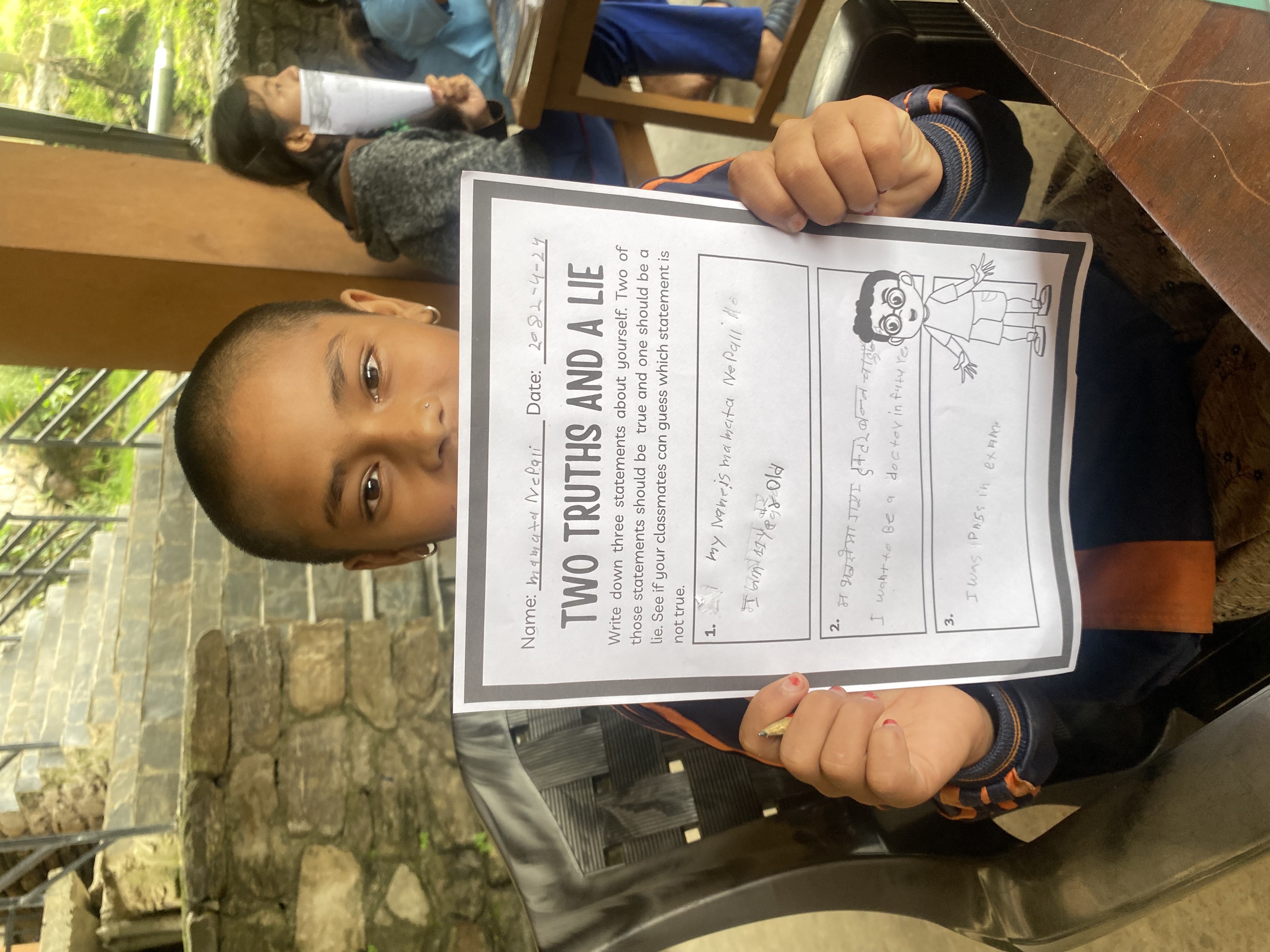
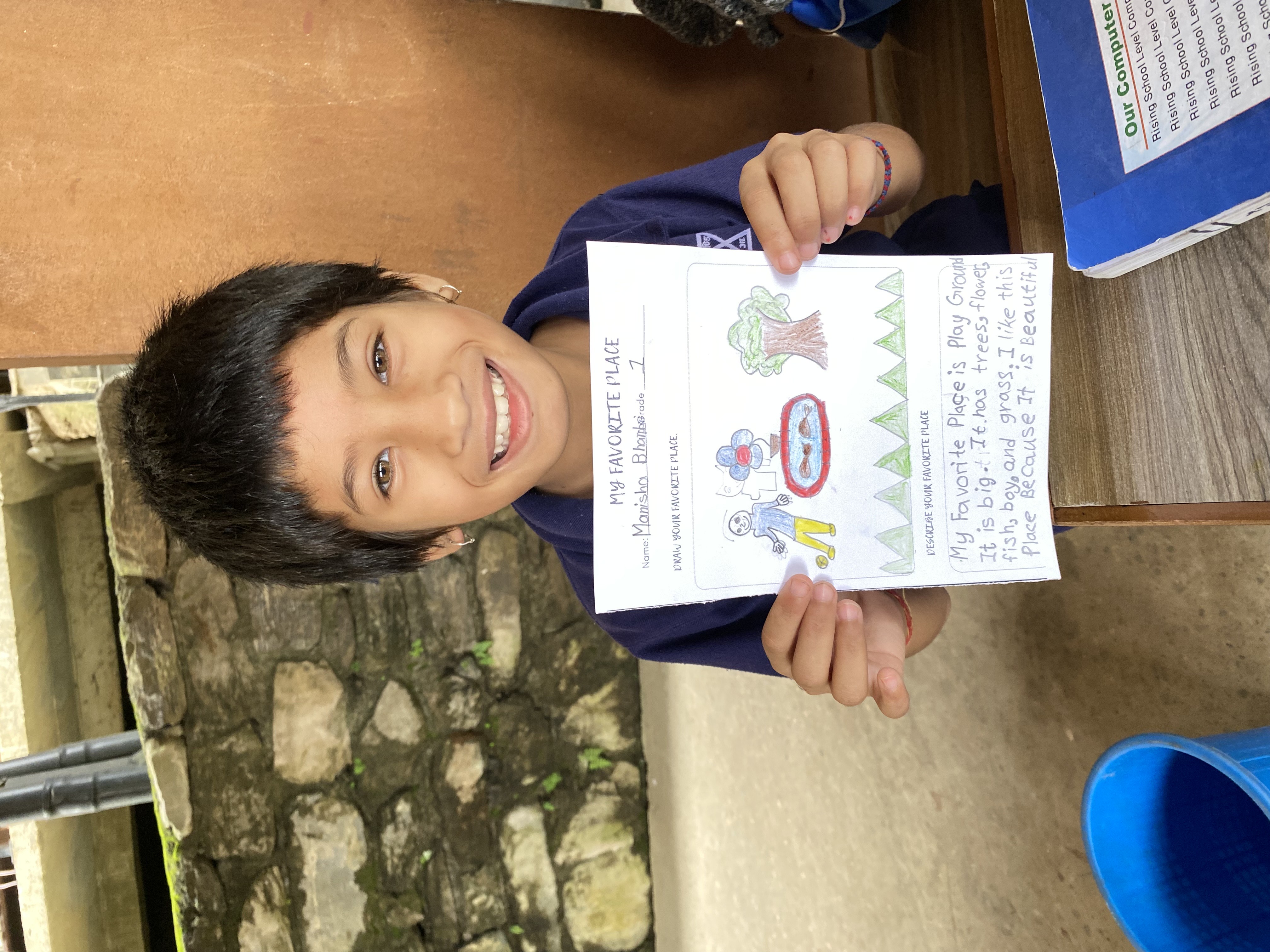
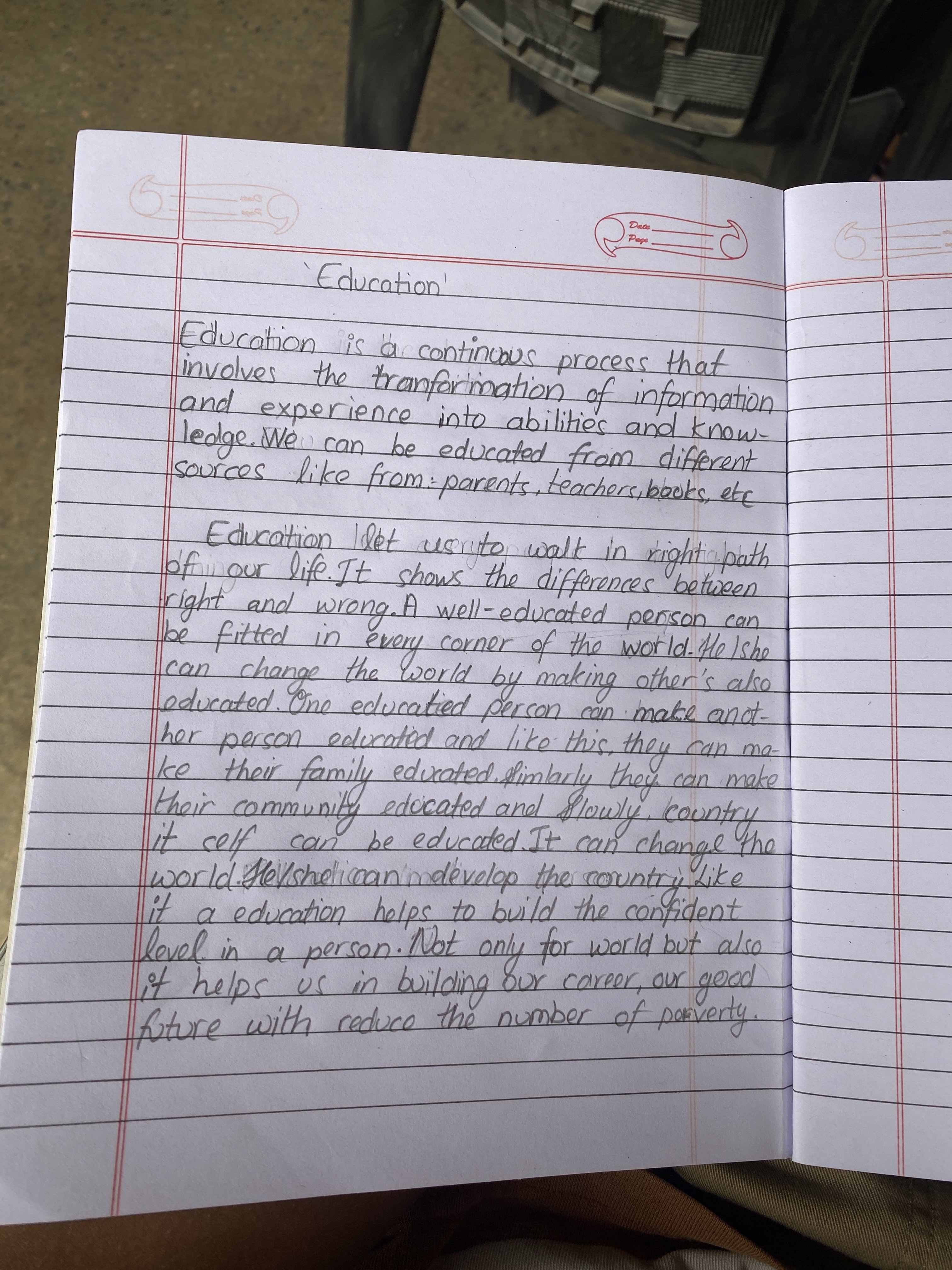
Orphanage Teaching - English Classes

Overview

The Holistic Learning Lab is an experimental teaching model I developed after researching global education systems that emphasize active participation, critical thinking, and practical application. It reimagines traditional classrooms as spaces where students learn through dialogue, reflection, and experience, not memorization. At its heart, the Lab integrates language learning with life learning — using storytelling, art, and real-life themes to help students express themselves, think independently, and connect knowledge to the world around them.

Curriculum

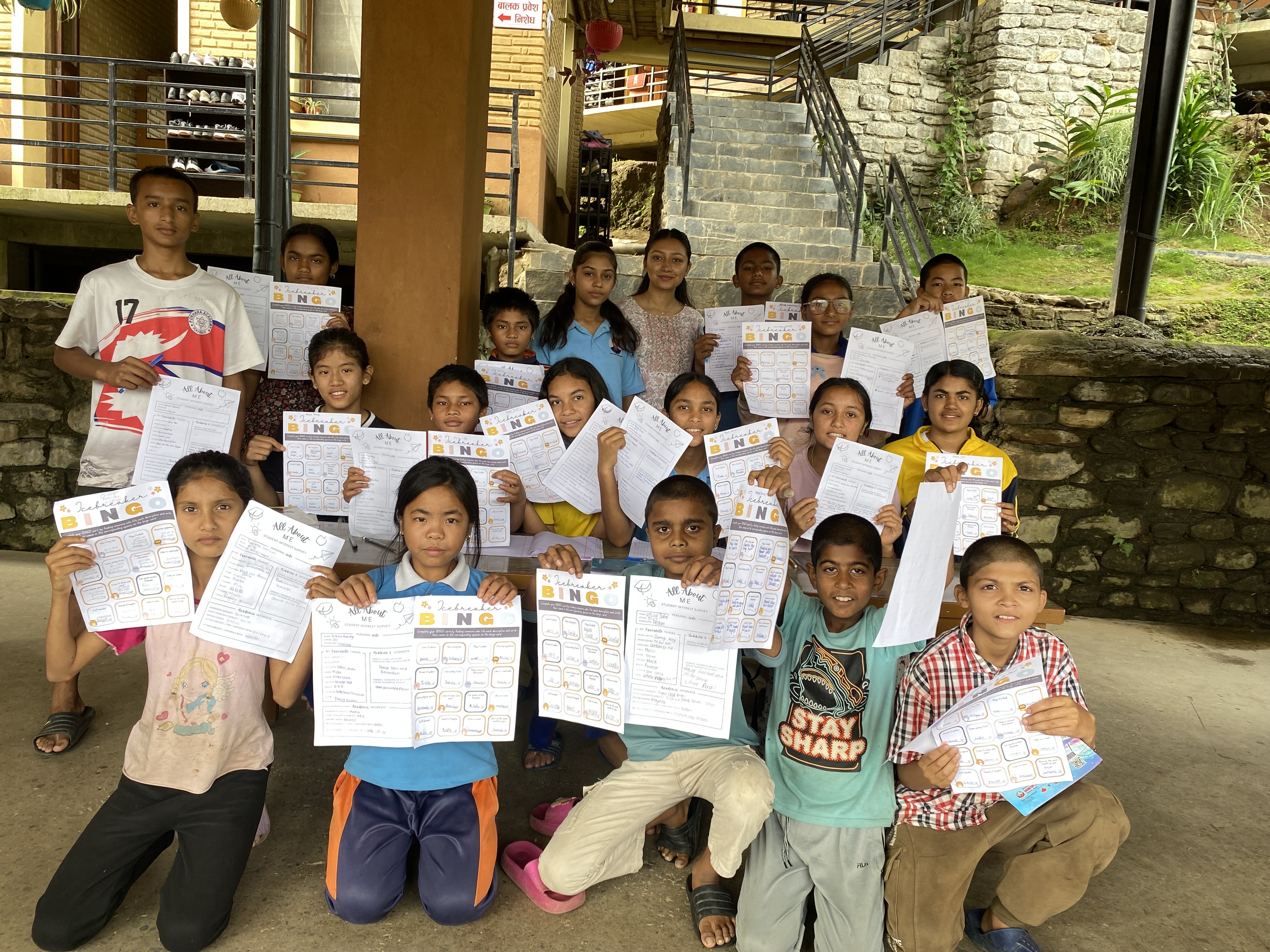
Implemented for Grades 5–9 at Annapurna Self-sustaining Home, the 12-week English curriculum blends grammar, storytelling, art, and cultural relevance. Each week centers on a theme that mirrors students’ lives and values — such as friendship, family, dreams, or heroism.

Through hands-on activities like roleplays, comics, and group storytelling, students learn grammar naturally while developing confidence and creativity. The final celebration week assesses both language fluency and personal growth through self-written stories and performances.

Teaching Curriculum Materials

Teaching Philosophy

The Holistic Learning Lab is built on four guiding principles:

  • Learning through experience: Students engage with real stories, problems, and creative projects.
  • Reflection as learning: Every week ends with journaling and self-assessment.
  • Curiosity before correctness: Students are encouraged to explore, question, and experiment freely.
  • Community-driven education: Learning is collaborative, empathetic, and deeply human.

The Holistic Learning Lab is built on these four guiding principles. The teaching method focuses on active engagement — transforming passive listening into meaningful interaction. Students become participants, not spectators, in their own learning.

Teaching Philosophy in Action

Reflection

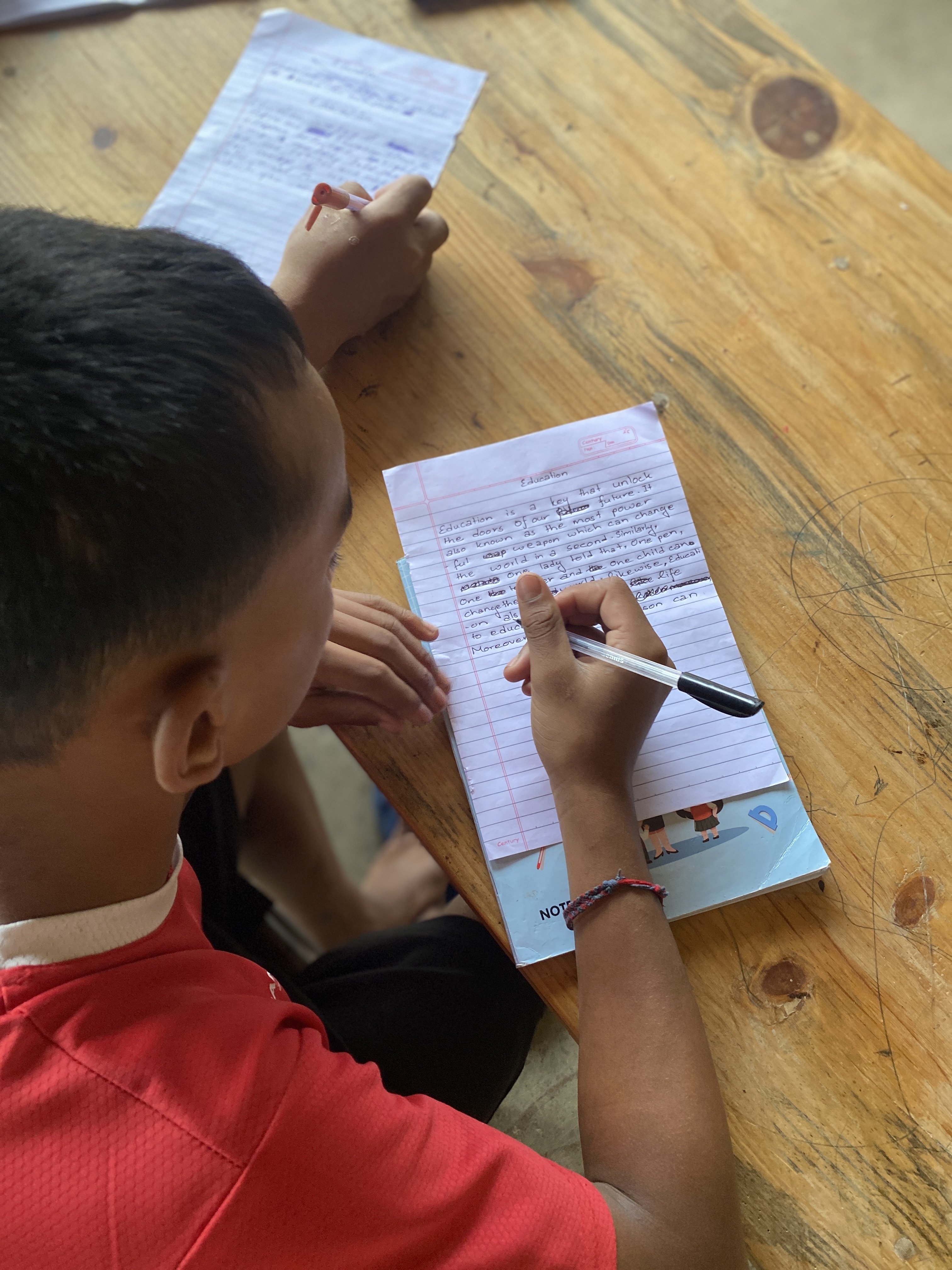
Creating and leading this Lab taught me that education becomes powerful when it connects learning with life. I watched students who once hesitated to speak in English begin to initiate conversations, tell their own stories, and help one another.

IThis experience reshaped my view of teaching — I realized that the goal isn’t just to teach English, but to unlock each student’s curiosity, voice, and confidence.

Student Success Story

Impact & Outcomes

According to Annapurna’s internal assessments, the program:

  • Reached 30+ underserved students
  • Achieved a 30% average improvement in literacy and comprehension scores
  • Strengthened teamwork, creativity, and confidence (Verified by Annapurna Self-sustaining Home, 2025)

The Holistic Learning Lab now serves as a small model of how education can be holistic — nurturing intellect, emotion, and imagination together.

Teaching Impact Results

Holistic Learning Lab Curriculum

About This Series

"Nepal Through My Eyes" is my creative storytelling hub where I document the stories, people, and places that shaped my perspective. It's about capturing the beauty, struggles, and resilience of my country — through my lens.

I want to carry these stories with me wherever I go — to show the world that Nepal is more than mountains; it's a mosaic of dreams, dignity, and determination.

Video Series

Short clips of everyday life, rural education, culture, and environment from my journey across Nepal.

Haribodhini Ekadashi: The Day Lord Vishnu Awakens

Haribodhini Ekadashi, also known as Prabodhini Ekadashi, marks the awakening of Lord Vishnu after four months of divine rest. On this sacred day, devotees across Nepal light lamps, visit temples, and take holy vows to invite peace and prosperity into their lives. From the vibrant celebrations at Vishnu temples to the quiet prayers at home, this episode captures how faith and tradition beautifully intertwine in Nepali culture. Join me in this episode of Nepal Through My Eyes as I explore the heart of Haribodhini Ekadashi — its stories, rituals, and the spiritual awakening it brings to devotees across the country.

The Far-Western Frontier: Bajura's Story of Resilience and Isolation

The Road Where the Story Begins Welcome to the Far-Western region of Nepal for the most remote journey yet in our 'Nepal Through My Eyes' series. This episode travels deep into Bajura, a district whose identity is forged by its geography: a breathtaking, mountainous landscape where the paved road ends and the real path to human stories begins..

Indra Jatra: Witnessing the Living Goddess and the King of Heaven.

For eight days, ancient Kathmandu comes alive. Watch the spectacular Indra Jatra, where the Living Goddess (the Kumari) processes on a mighty chariot, uniting Newari culture, royalty, and profound spiritual belief.

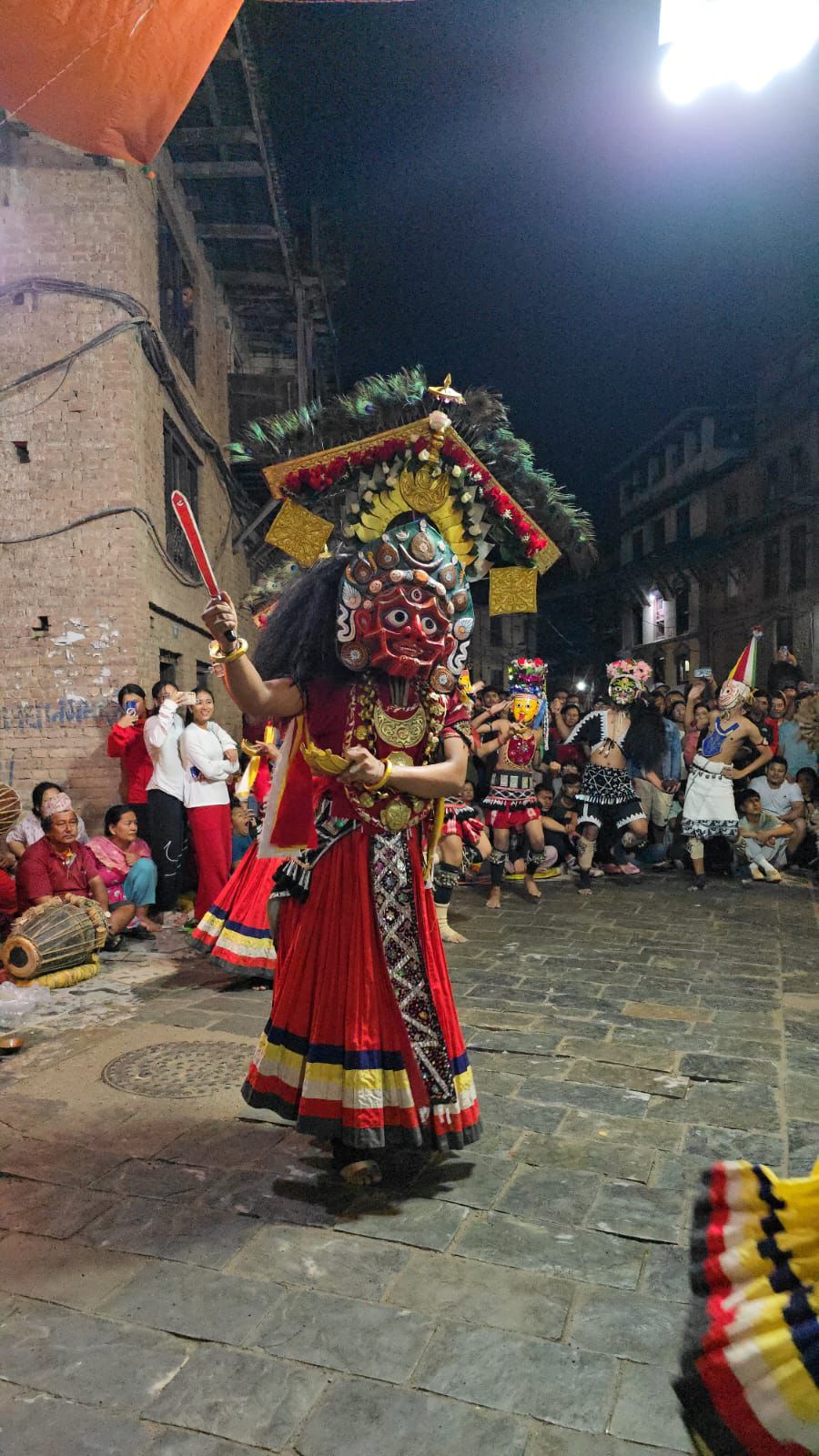
Layeku Bhaila Naach — Where the Gods Dance

Hidden in the heart of Madhyapur Thimi, Layeku Bhaila Naach is a centuries-old masked dance that celebrates Bhairab, the fierce guardian form of Shiva. For over 500 years, Newar artisans have carved divine faces and brought them to life through rhythm, devotion, and firelight. This ancient ritual is more than performance—it’s a living heartbeat of faith, heritage, and community.

Ascent to the Sky: Exploring the High Mountain Culture of Manang.

Experience the profound beauty of Manang, nestled in the rain shadow of the Annapurna range. This episode follows the legendary trekking route, uncovering ancient villages, soaring peaks, and the resilient spirit of the Gurung and Manange people

Uncovering the Timeless Beauty of Mustang

Our destination is the walled city of Lo Manthang. Here, you witness centuries of Tibetan Buddhist heritage preserved in its purest, most resilient form. We spend time with communities who have mastered the art of living in harmony with an extreme climate. This episode is about transforming adventure into perspective. It’s about learning to prioritize what truly matters by seeing how resourcefulness and deep-rooted tradition define life on this high plateau. Press play to join the journey and uncover the hidden stories, the challenges, and the timeless beauty of Mustang.

Pulukishi — The White Elephant of Indra

Every Gai Jatra in Madhyapur Thimi, the streets come alive with the legend of Pulukishi — the white elephant of Lord Indra. Cloaked in laughter and chaos, this centuries-old tradition blurs the line between myth and festivity. As Pulukishi charges through the alleys, the city rejoices — reminding us that faith in Nepal is not just solemn, but exuberantly alive.

The Epic Pilgrimage: Rato Macchindranath Jatra and the Journey of the Rain God.

Witness the longest and most dramatic chariot festival in Nepal. We follow the epic, centuries-old tradition in Patan as the community unites to pull the towering chariot of Rato Macchindranath, securing blessings for rain and prosperity.

The Roof of the World: Solukhumbu, Home of Everest and the Sherpa Spirit.

Trace the steps of legends in the Solukhumbu region. This episode explores the sacred heart of the Himalayas, the vibrant culture of the Sherpa people, and the awe-inspiring presence of Mount Everest.

The Hand-Crafted Heart of Nepali Comfort Food.

More than a dumpling, momo is a ritual. Watch the entire traditional process—from flour to the fiery chutney—and discover how this simple food became Nepal's most beloved national obsession

The Art of Making Chiura: Nepal’s Flattened Rice Tradition

Chiura, or beaten rice, is a staple of Nepali cuisine, cherished for its simplicity and versatility. Its making is an age-old process that begins with carefully selecting ripe, aromatic rice, which is then washed, soaked, and steamed. Once cooked, the rice is dried and gently pounded between wooden rollers or stones until it flattens into delicate, thin flakes. These flakes are then sun-dried, preserving their light texture and subtle flavor. Chiura is more than just food—it’s a reflection of Nepal’s culinary heritage, enjoyed plain, with yogurt, or as a companion to spicy curries.

Photo Essays

Each image with a short story that reveals something about Nepali life through my eyes.

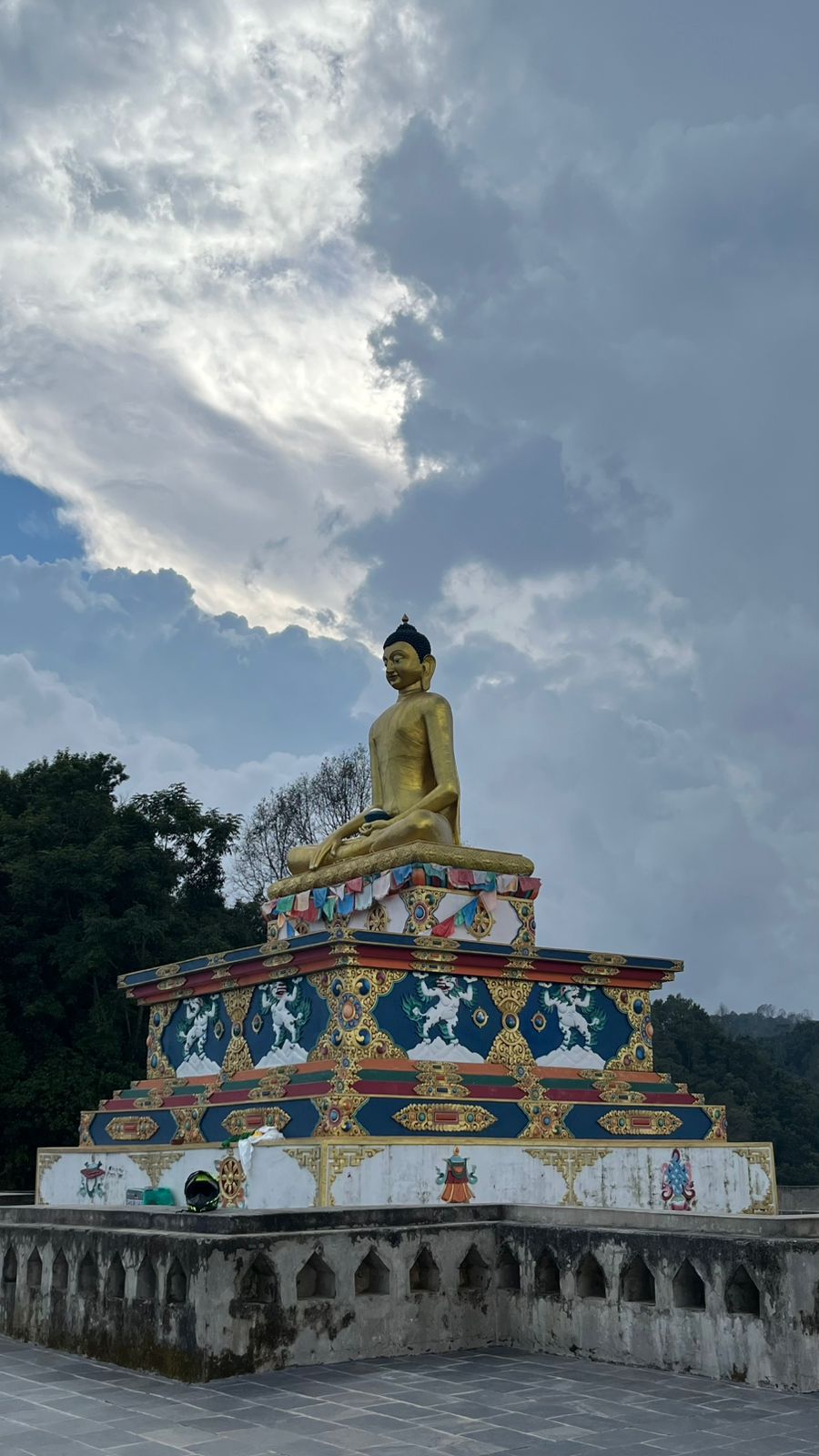
The Silent Teacher

In the quiet gaze of this Buddha statue, I see more than stone—I see a reflection of Nepal itself: timeless, resilient, and full of silent stories. Standing here, I feel a calm that contrasts sharply with the bustling streets nearby, a reminder that even in chaos, moments of stillness exist. Through my eyes, this statue is not just an icon, but a gentle teacher, inviting me to pause, breathe, and witness the depth of life around me.

Heartbeats of the Hills

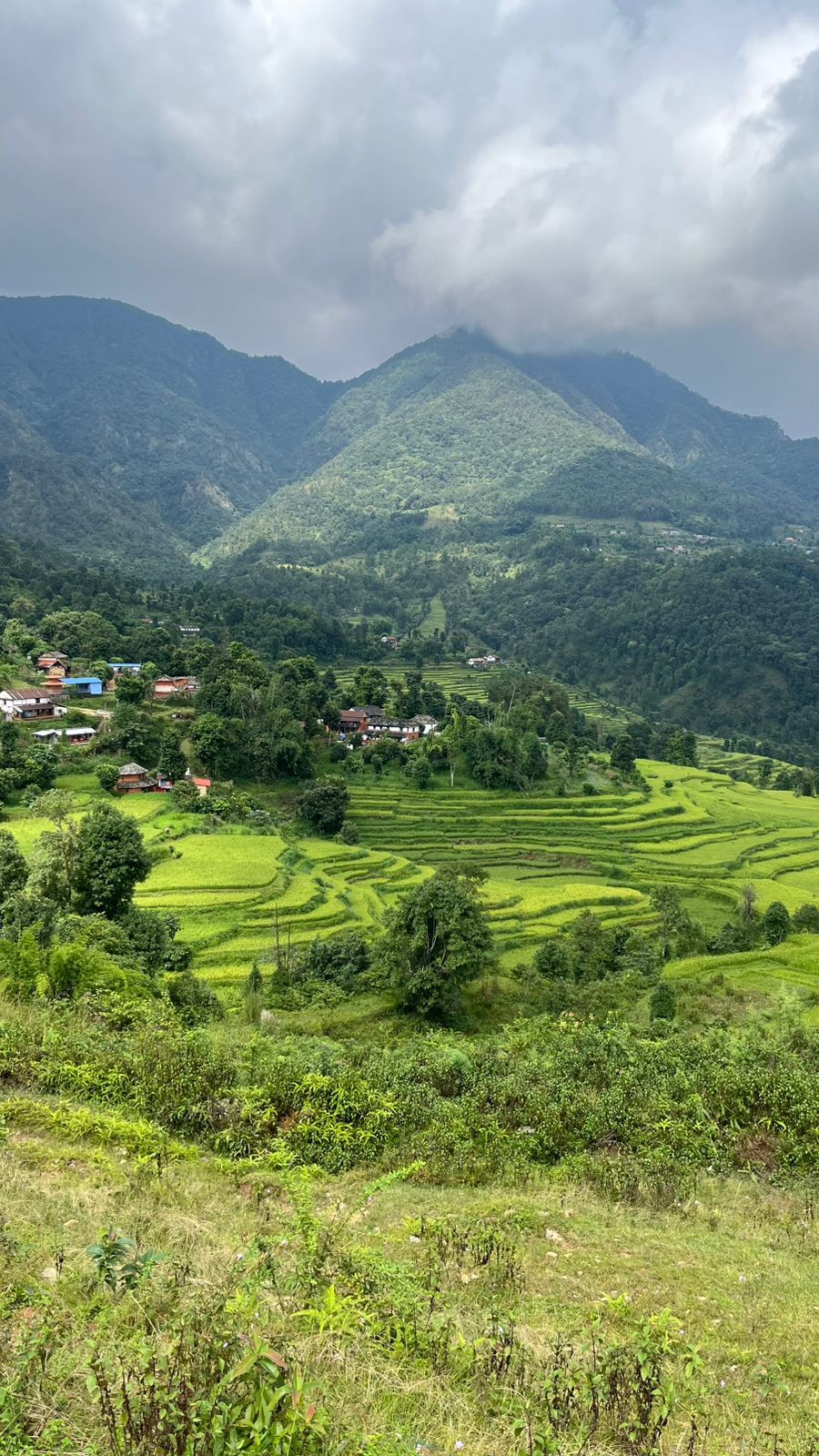
Nestled among rolling green fields, the village feels like a quiet heartbeat of Nepal. Small houses, humble and sunlit, stand in harmony with nature, each telling stories of daily life, laughter, and resilience. Through my eyes, these villages are not just places on a map—they are living poems of simplicity and connection.

Ripples of Serenity

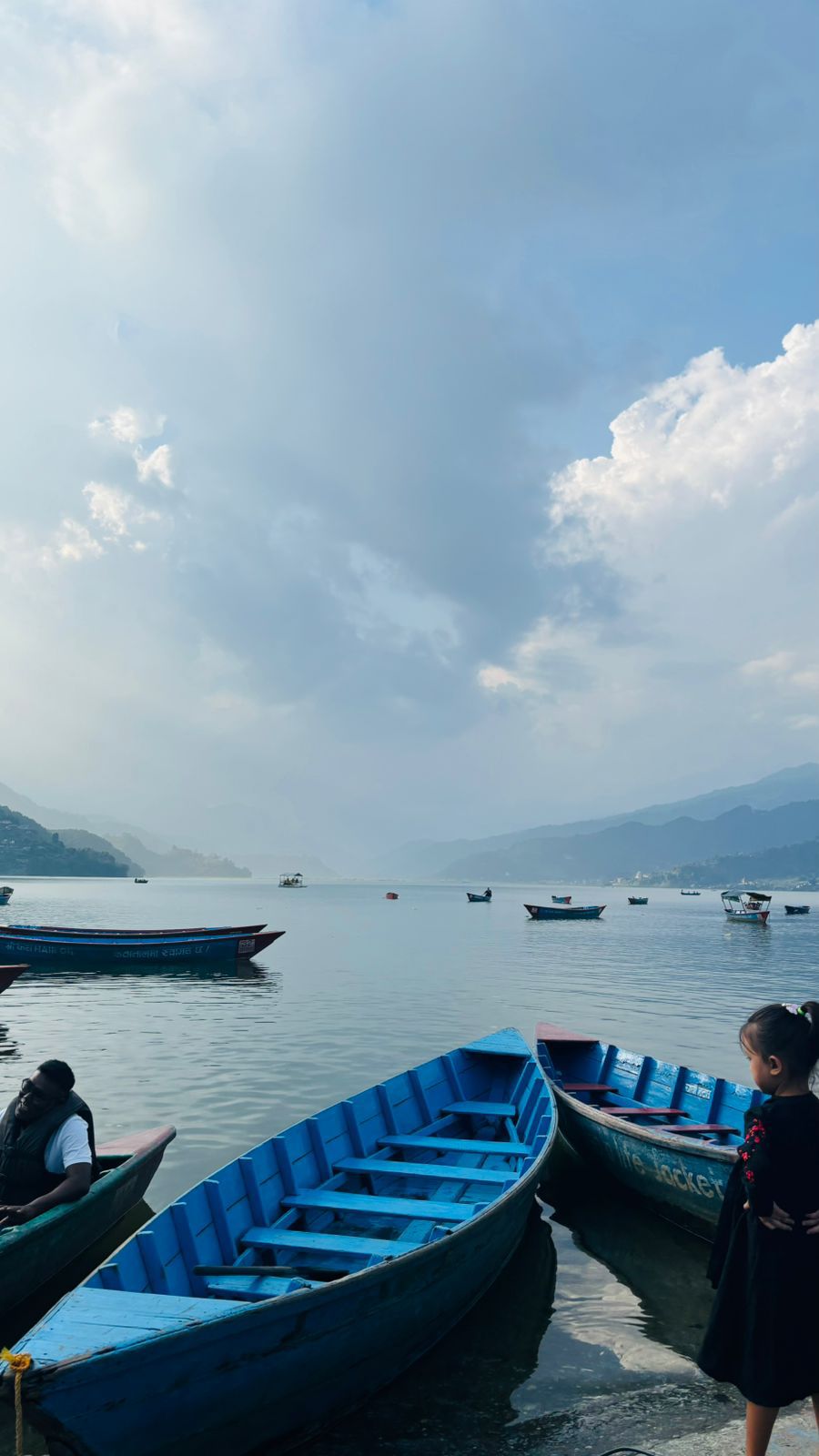
Gliding across the tranquil waters of Phewa Lake, the boats leave gentle ripples that catch the golden light of the setting sun. The reflection of the surrounding hills dances on the surface, blurring the line between water and sky. Through my eyes, this lake is more than a destination—it is a quiet escape, where time slows and Nepal's serene beauty speaks for itself.

Whispers in the Wind

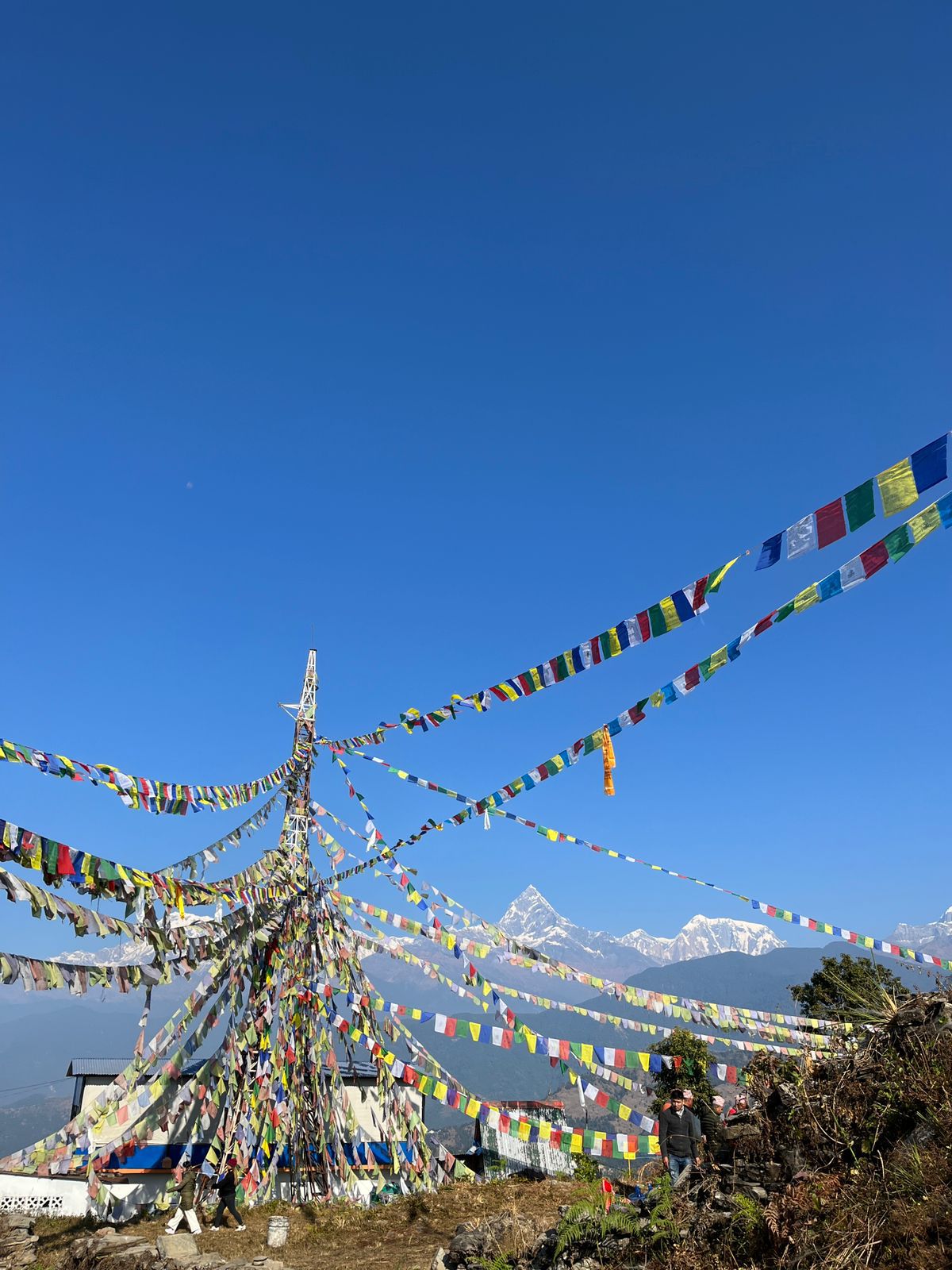
Strung high against the sky, the prayer flags dance with the wind, carrying hopes, prayers, and stories across the hills. Each color, each flutter, feels like a quiet conversation between earth and sky. Through my eyes, these flags are more than symbols—they are whispers of faith, resilience, and the timeless spirit of Nepal.

A Thousand Flames

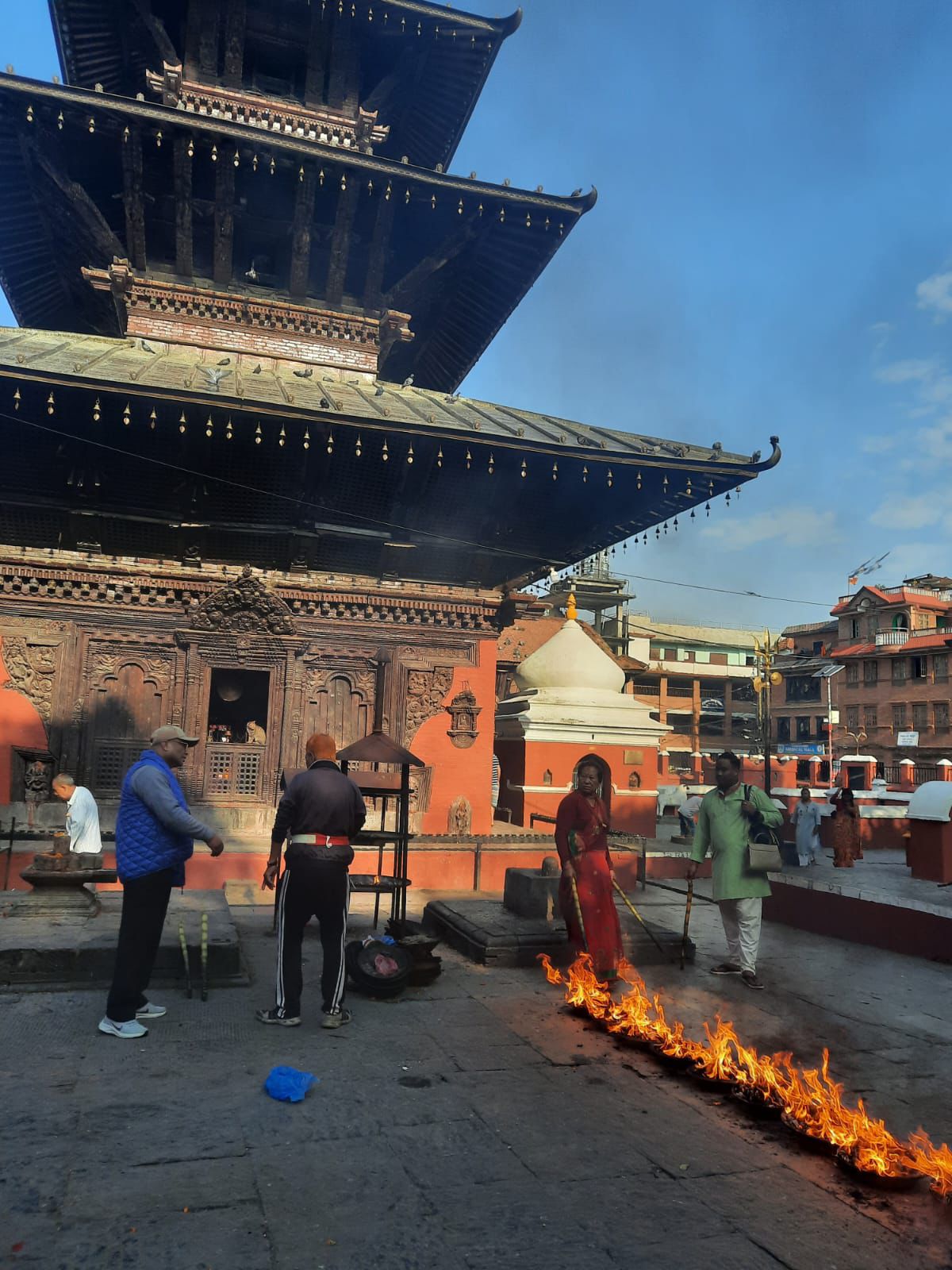
Thousands of tiny flames flicker in the night, casting a golden glow that transforms the world into a tapestry of light. The air hums with devotion and quiet celebration, each lamp a prayer, each sparkle a wish. Through my eyes, Lakhbatti is not just a festival—it is Nepal's luminous heartbeat, a moment where faith, hope, and beauty converge.

Rhythms Of Devotion

Drums beat, feet stamp, and the vibrant colors of costumes swirl in the air—Mahakali Gad Nach is a celebration of devotion and energy. Each movement tells stories of tradition, bravery, and communal spirit passed through generations. Through my eyes, this dance is more than performance; it is Nepal's living pulse, where culture and faith move together in rhythm.

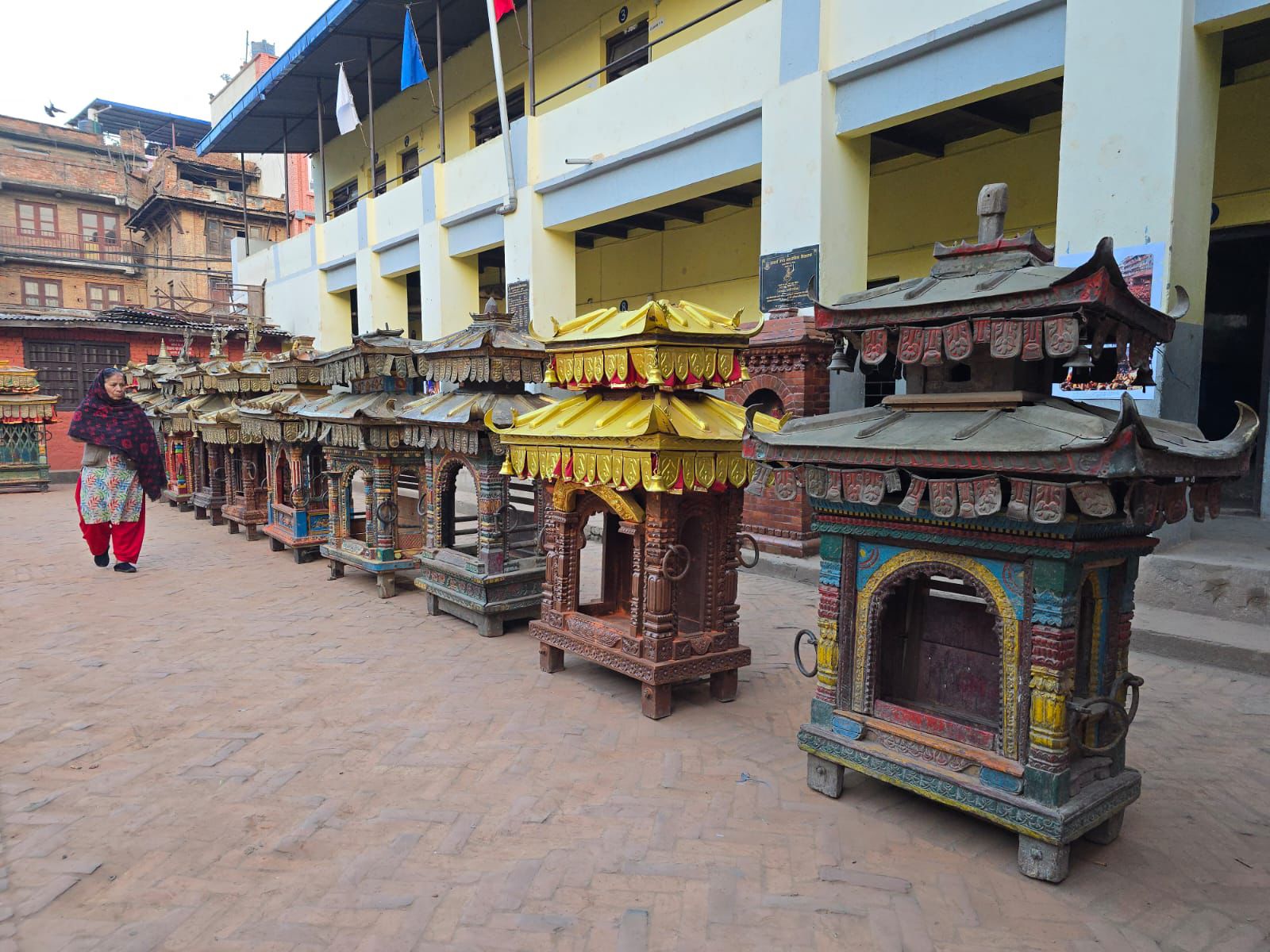
Carriers of Faith

Each khat glides through the streets with grandeur, adorned in colors, cloth, and devotion. The crowd's chants and the rhythm of drums follow their every turn, transforming the city into a living celebration. Through my eyes, these khats are more than ceremonial vehicles—they are carriers of history, faith, and Nepal's vibrant spirit.

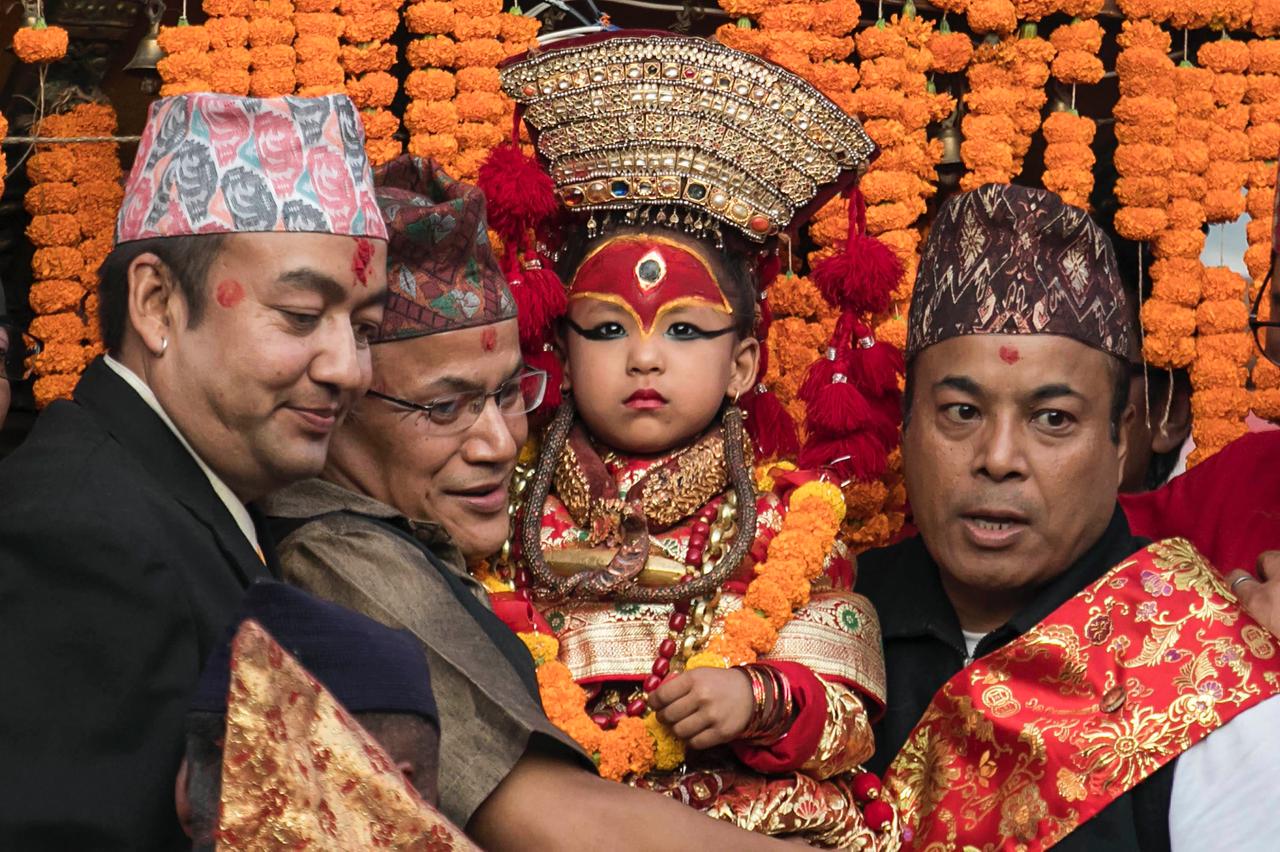
The Gaze of Tradition

Seated in quiet regality, the Kumari embodies centuries of tradition and devotion. Her gaze is calm yet piercing, a reminder of Nepal's rich heritage and the sacred woven into everyday life. Through my eyes, she is not just a goddess on a throne, but a living symbol of faith, culture, and the delicate balance between reverence and humanity.

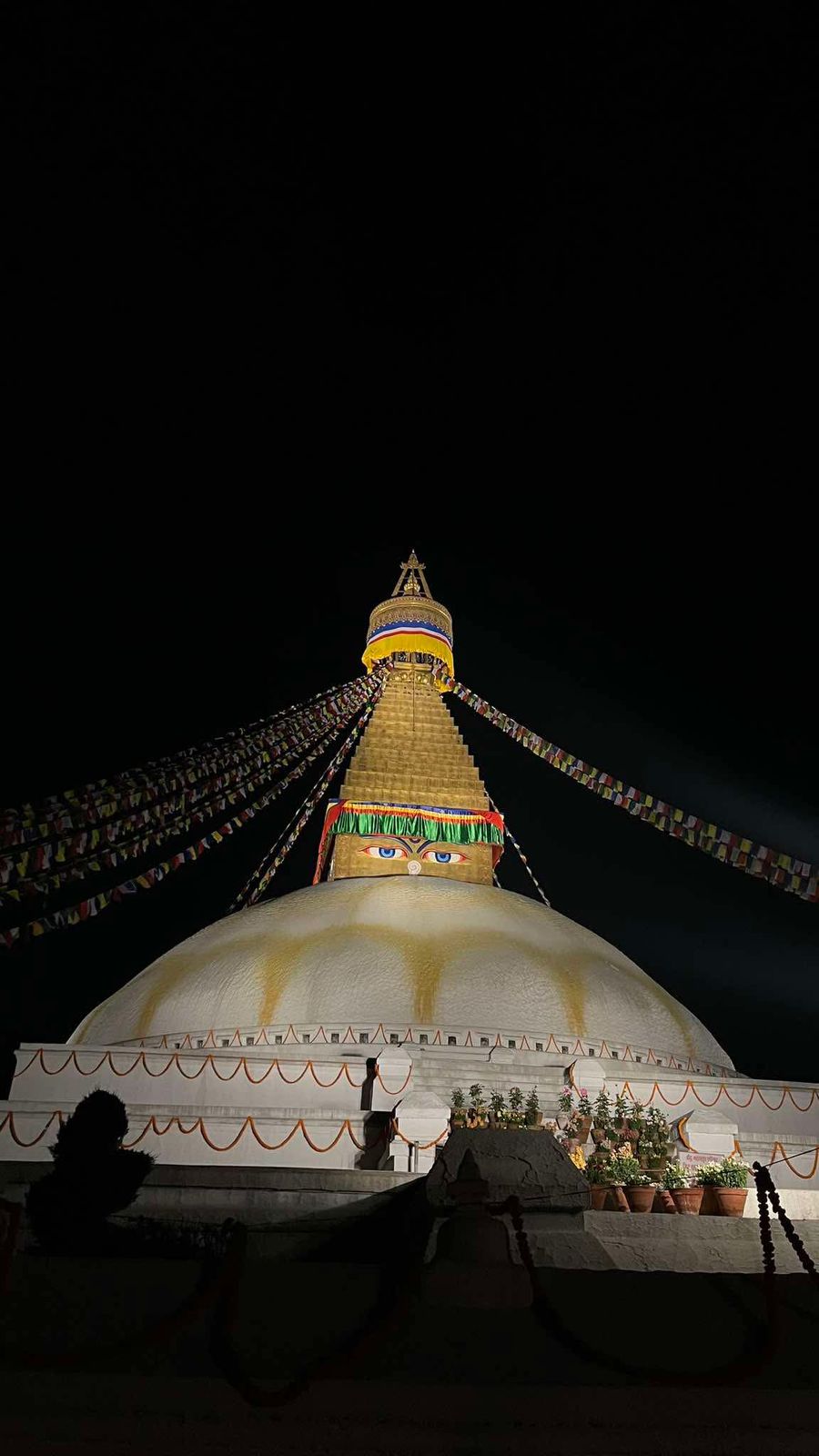
A Beacon in the Dark

Under the quiet night sky, Bouddhanath glows like a beacon of peace. Prayer wheels turn slowly, candles flicker, and the soft murmur of chants drifts through the cool air. Through my eyes, the stupa at night is not just a monument—it is the heart of Nepal's spirituality, radiating calm, devotion, and timeless beauty.

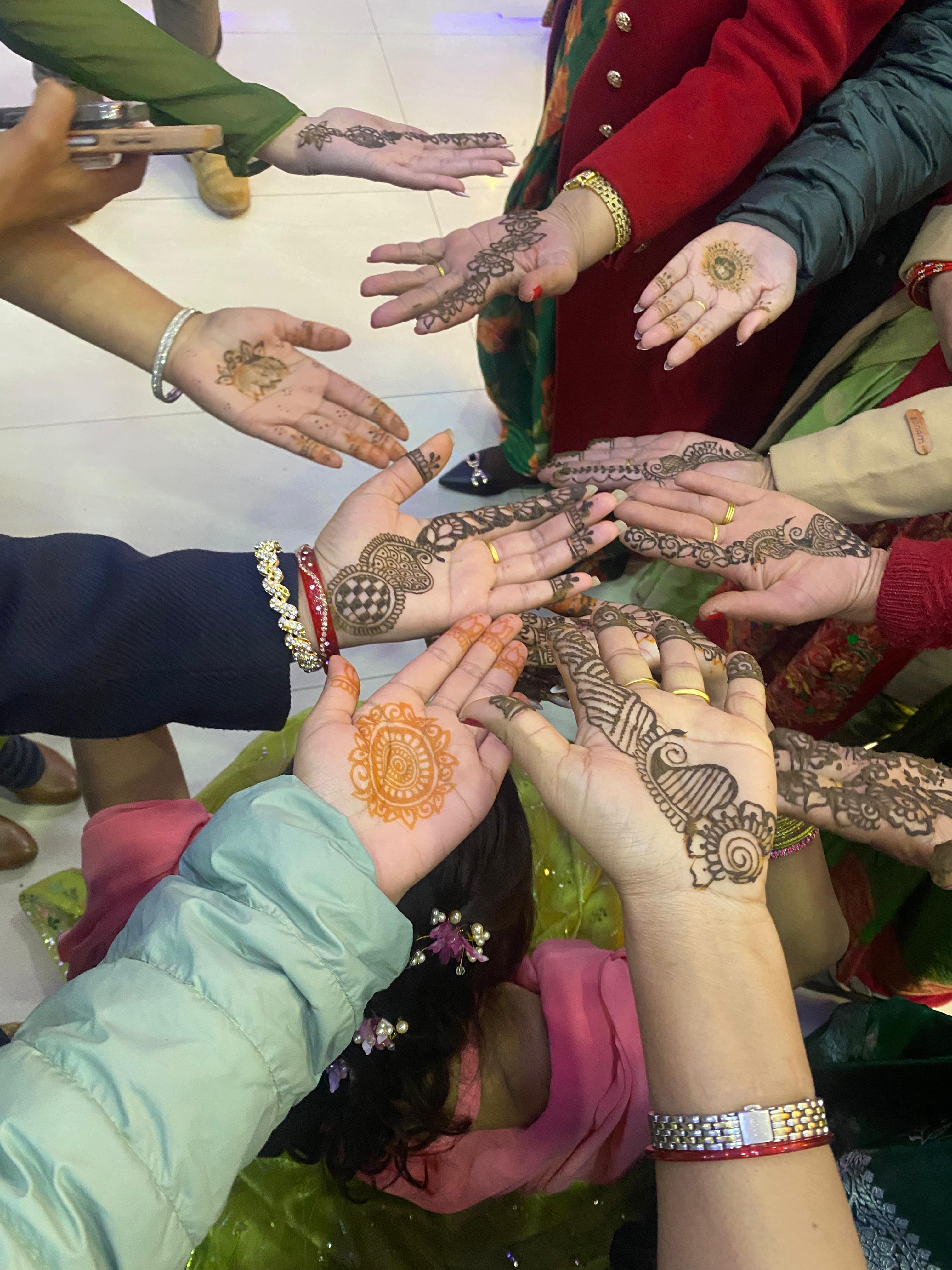
Stories on Skin

Intricate patterns curl across her hand, each line and swirl telling a story of celebration, culture, and care. The deep brown of the henna contrasts with the vibrancy of her attire, capturing a moment of tradition in motion. Through my eyes, Mehendi is more than art—it is Nepal’s delicate touch of beauty, ritual, and identity.

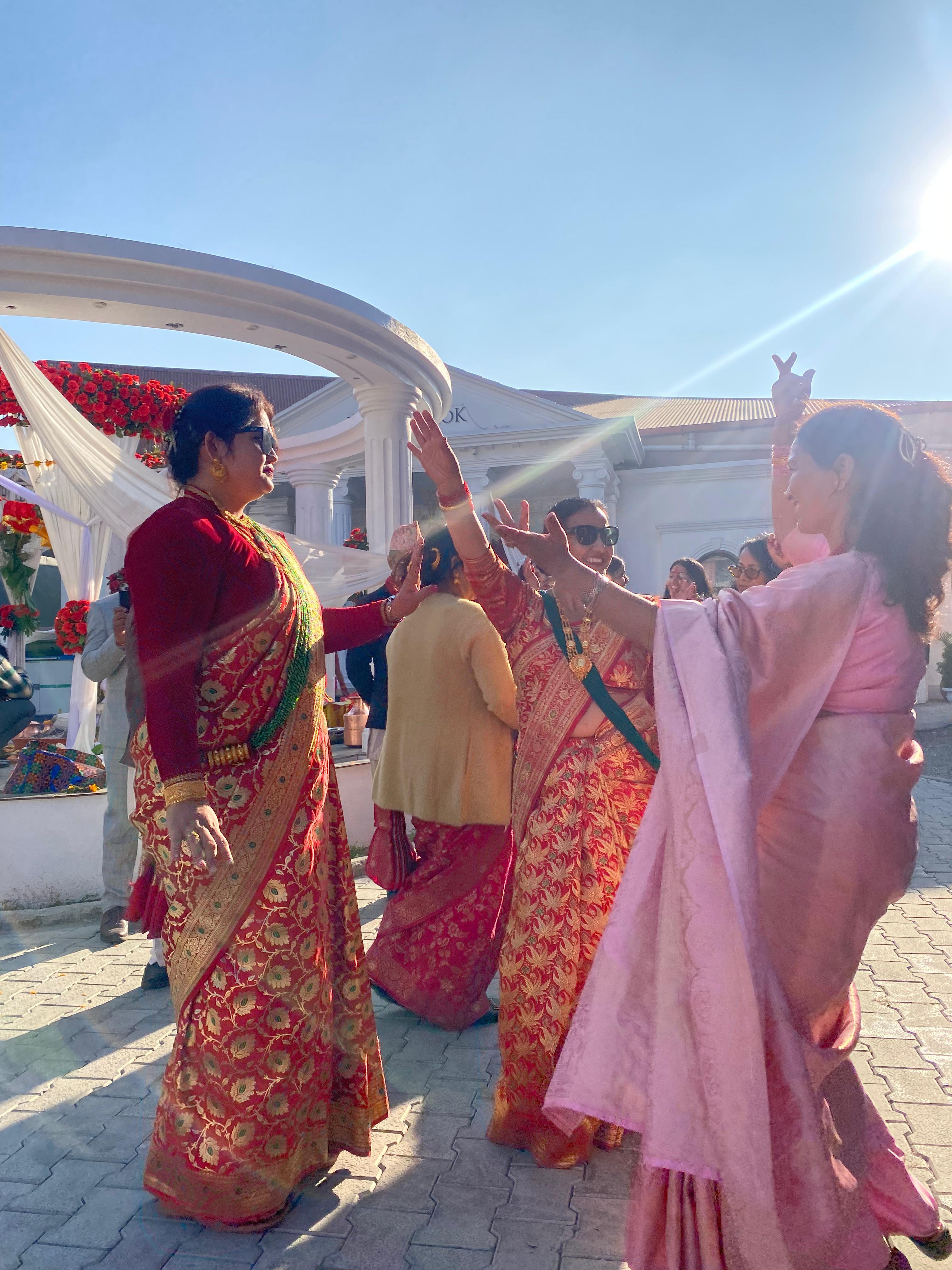
Joy in Motion

Laughter, color, and rhythm fill the air as women twirl and sway in celebration. Each movement is joyous, each smile infectious, turning the wedding into a dance of life itself. Through my eyes, these moments are more than festivity—they are Nepal’s spirit in motion, where tradition, community, and happiness intertwine.

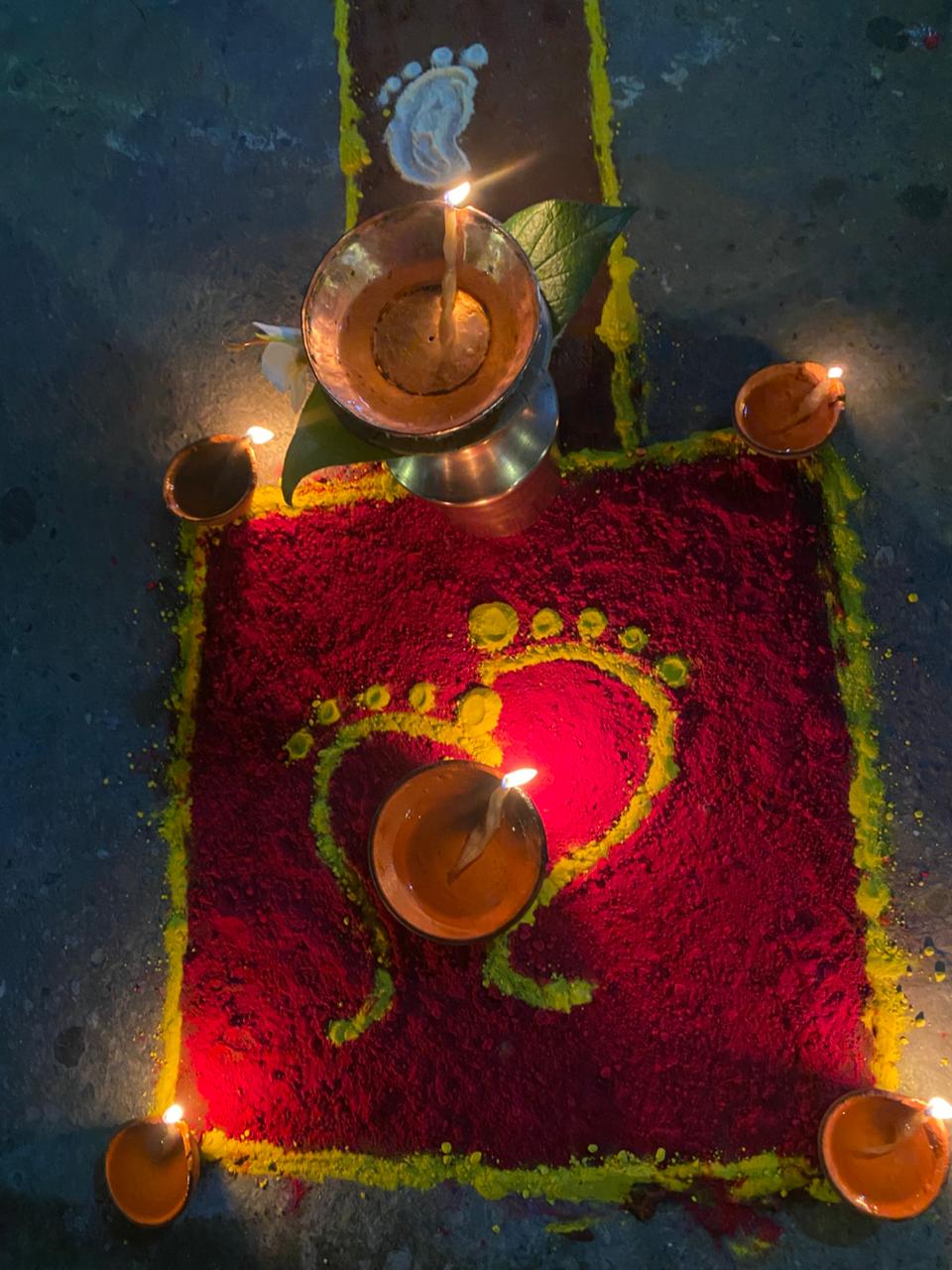
Colors and Light

Bright colors form delicate patterns on the floor, surrounded by the warm glow of flickering diyas. The simple beauty of this arrangement transforms a quiet corner into a celebration of light and tradition. Through my eyes, rangoli and diyas are not just decoration—they are Nepal’s way of honoring life, joy, and devotion in the smallest of details.

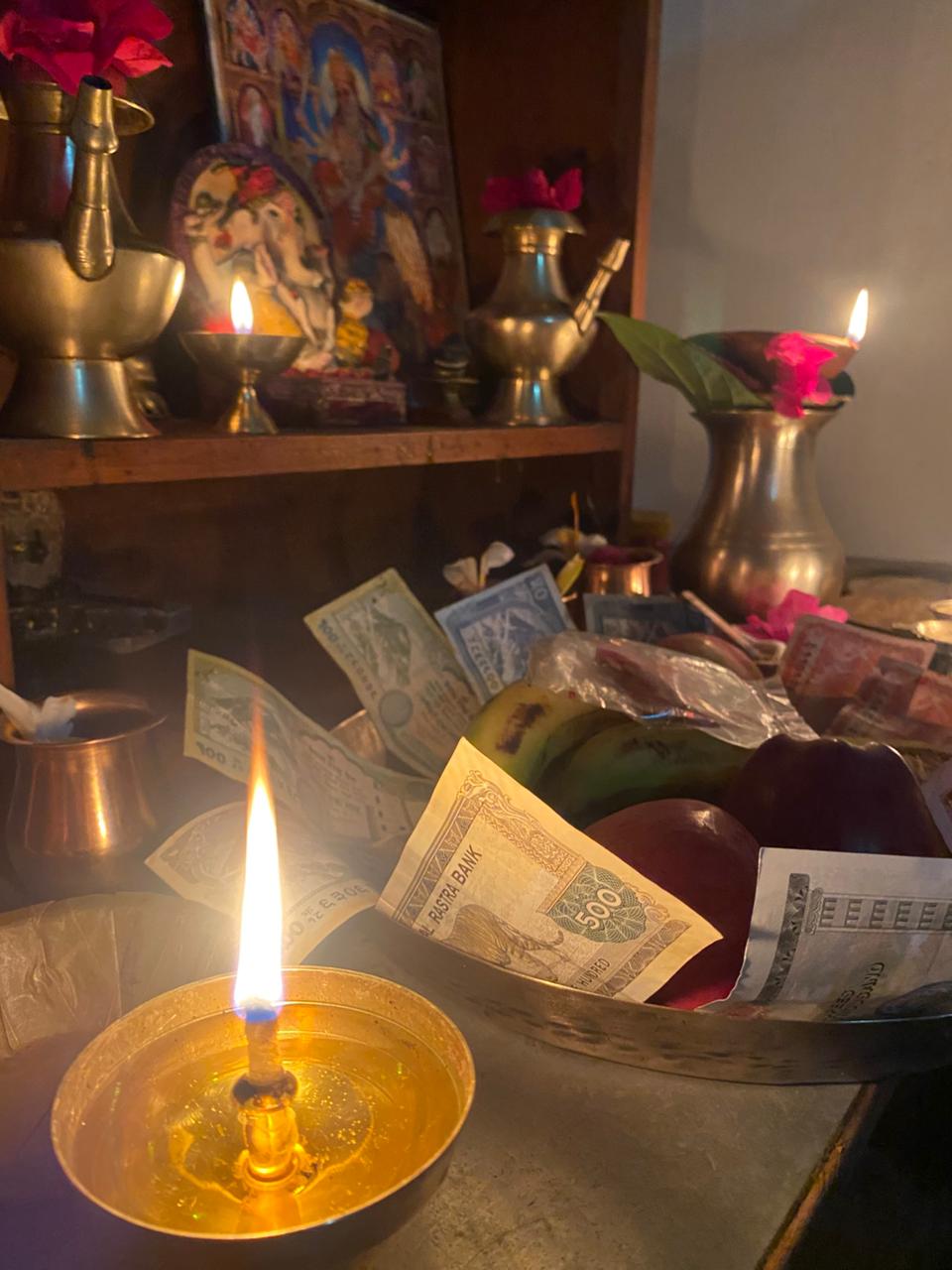
Sanctuary at Home

A quiet corner of the home holds a universe of devotion—idols, flowers, incense, and small offerings arranged with care. The gentle glow of lamps casts shadows that dance across the walls, turning the space into a sacred sanctuary. Through my eyes, the home mandir is not just a place of worship—it is Nepal’s intimate expression of faith, love, and everyday spirituality.

Heritage Against the Peaks

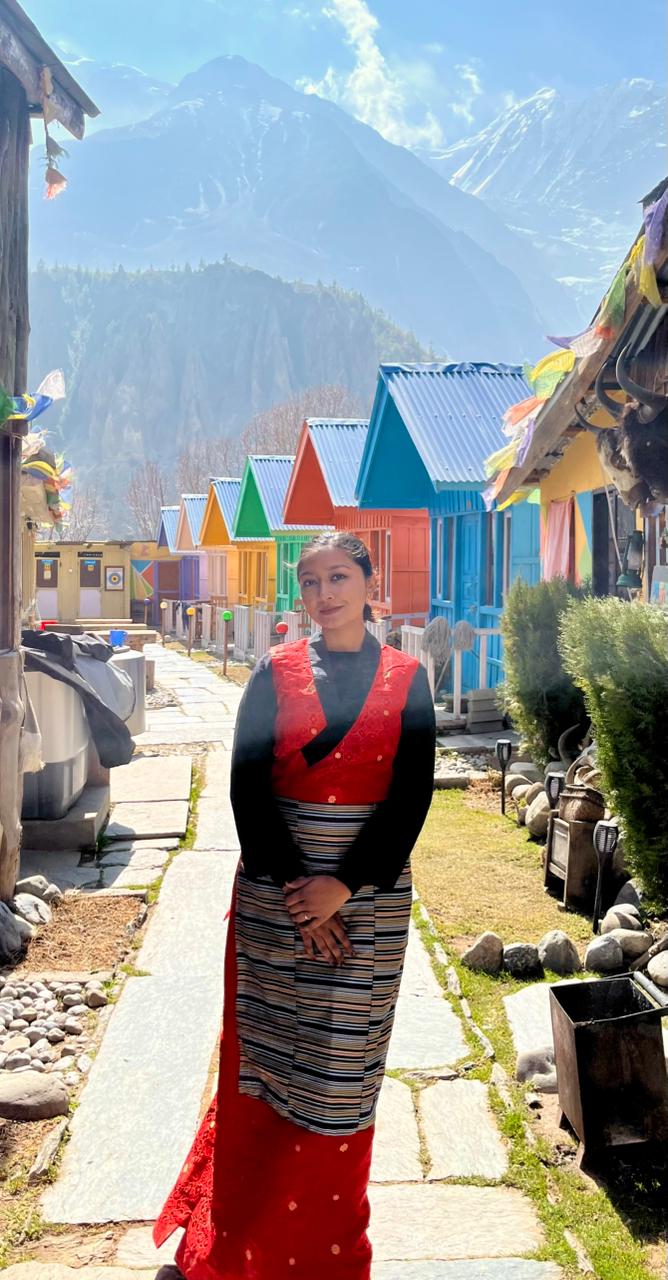
Dressed in vibrant Bhotey attire, she stands small yet proud against the towering mountain behind her. The contrast of human presence and nature’s grandeur captures both resilience and heritage. Through my eyes, this moment is Nepal in miniature and in majesty—where tradition meets the awe-inspiring beauty of the land.

Resting in Tradition

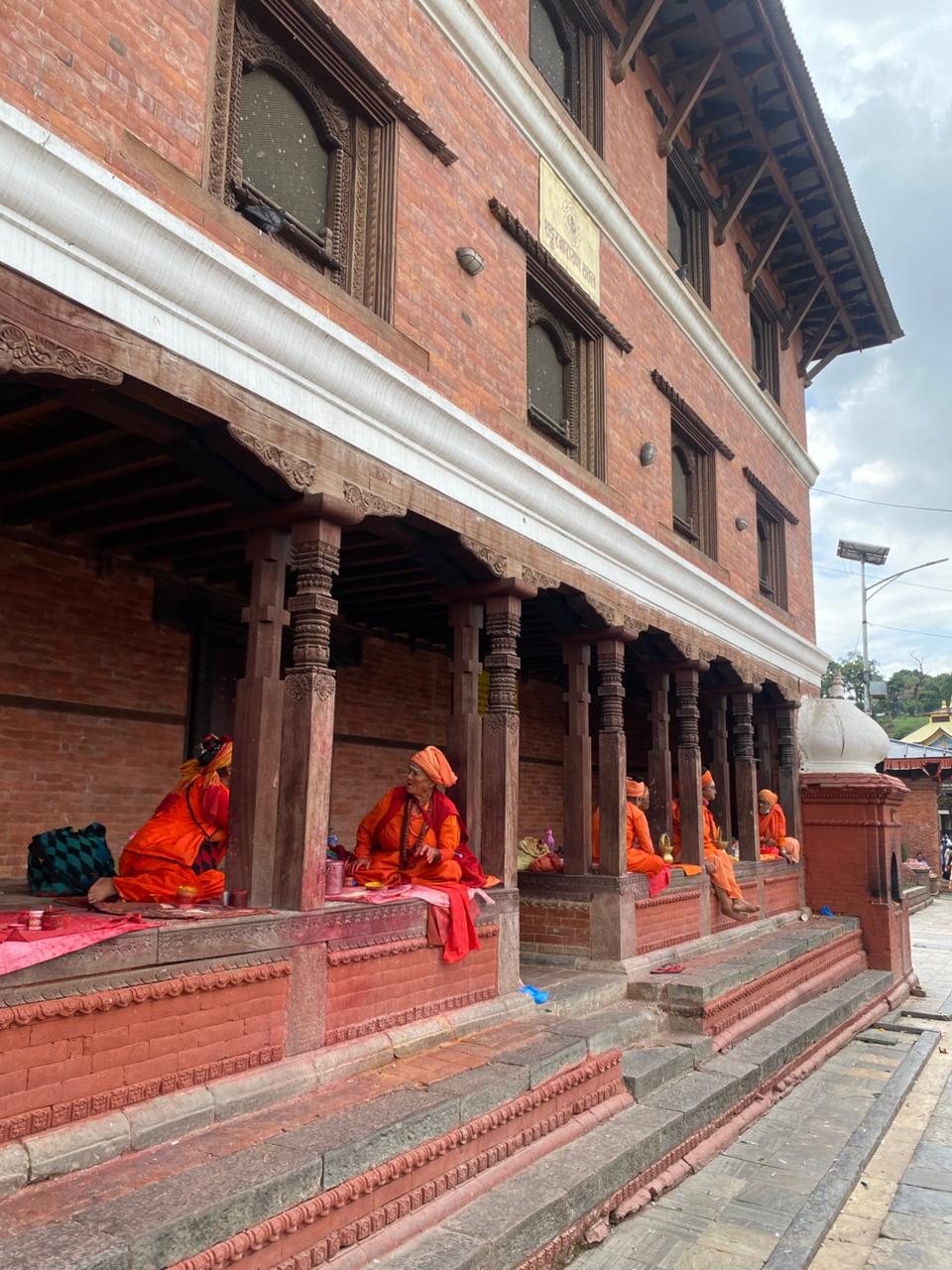
Under the shade of the paati, elderly Bhikshu women sit in quiet conversation, their faces lined with years of stories and devotion. The simple wooden structure offers rest, shade, and a place to connect. Through my eyes, this moment is a glimpse of Nepal’s everyday humanity—a space where tradition, community, and serenity meet.

Prayers in the Highlands

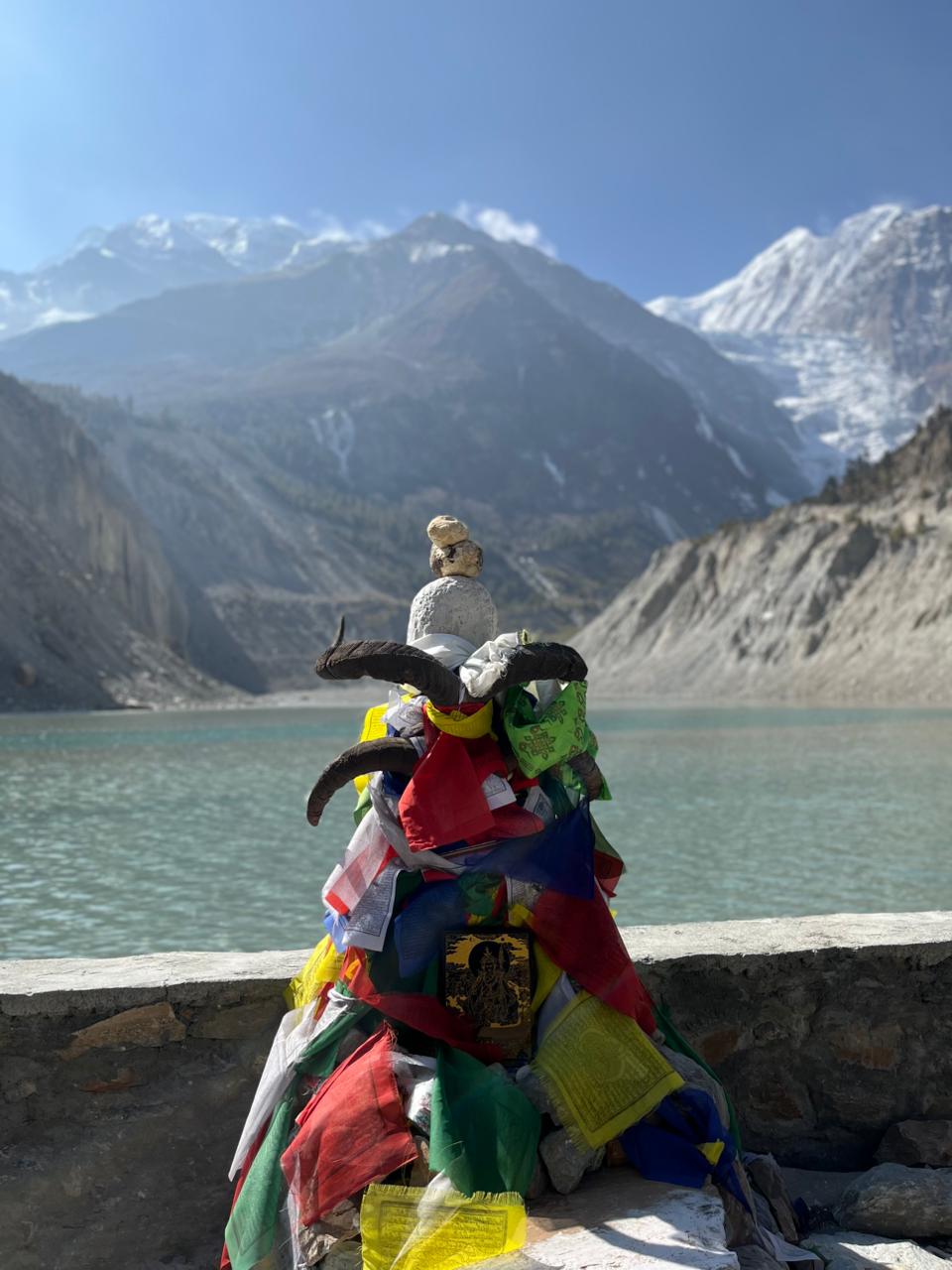
Tiny stones, carefully placed in devotion, catch the morning light as Gangapurna Lake shimmers behind them and mountains rise beyond. Each stone carries a prayer, each ripple of the lake a quiet reflection. Through my eyes, this scene captures Nepal’s harmony—where faith, nature, and majesty coexist in perfect stillness.

Treasures of Devotion

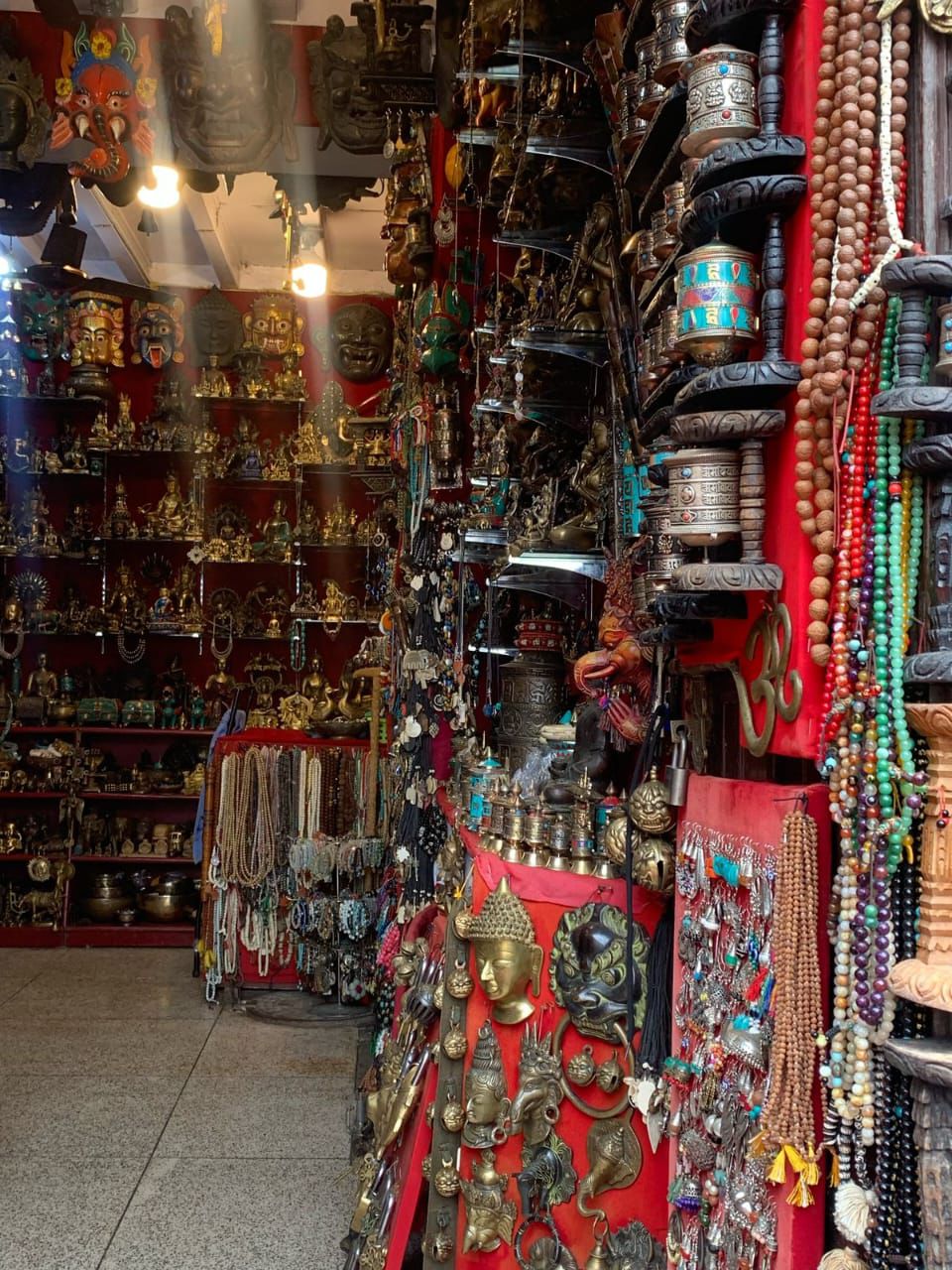
Shelves overflow with prayer wheels, beads, and statues, each item a small window into devotion and tradition. The colors, textures, and careful arrangements invite curiosity and reverence. Through my eyes, this shop is more than commerce—it is Nepal’s living culture, where faith and daily life intertwine in tangible form.

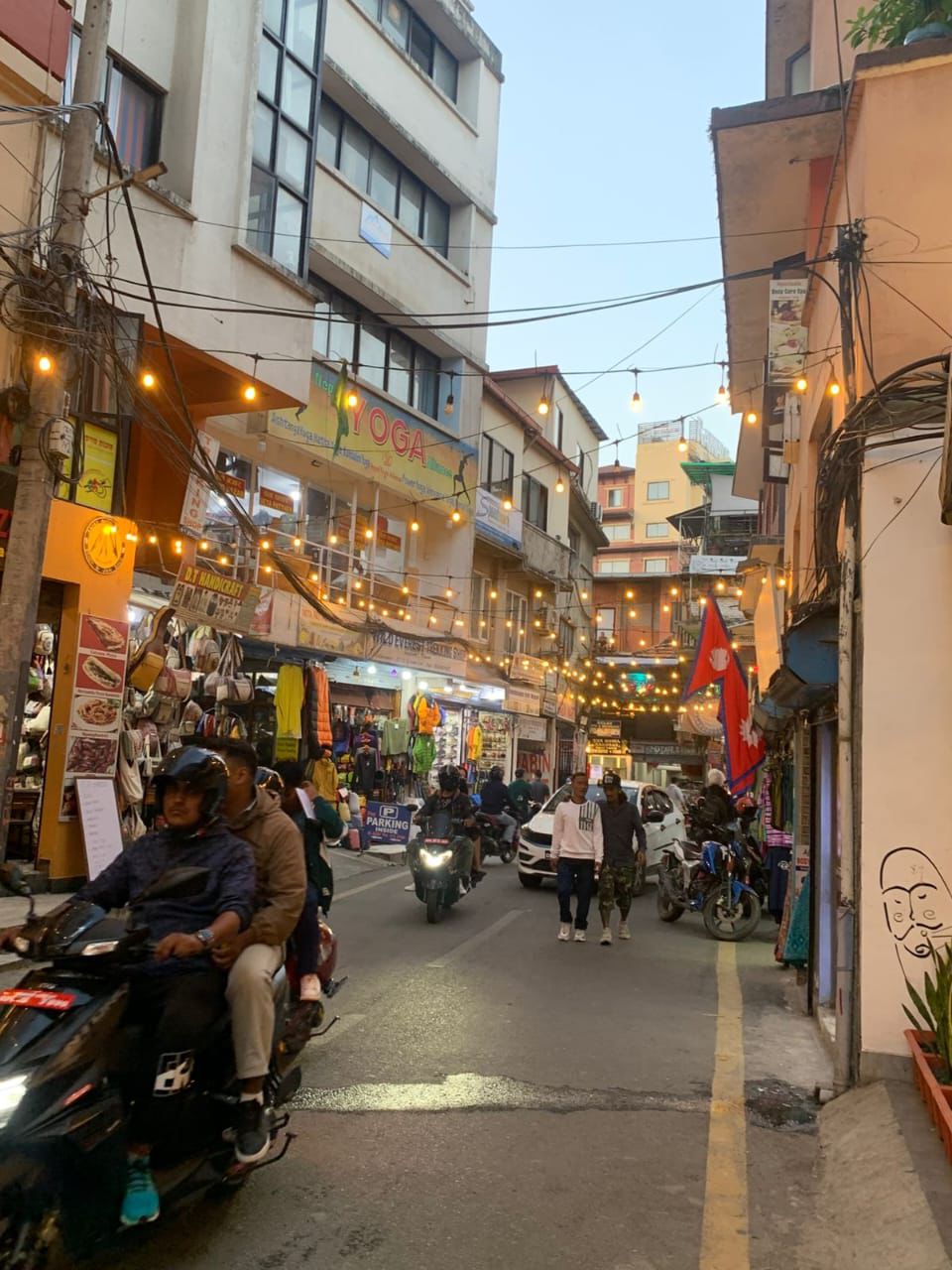
The Pulse of Thamel

The streets of Thamel hum with life—shops spill colors, music drifts from cafes, and travelers weave through the crowd. Every corner tells a story, blending tradition with the energy of the present. Through my eyes, Thamel is Nepal’s vibrant heartbeat, where culture, commerce, and human connection meet in every step.

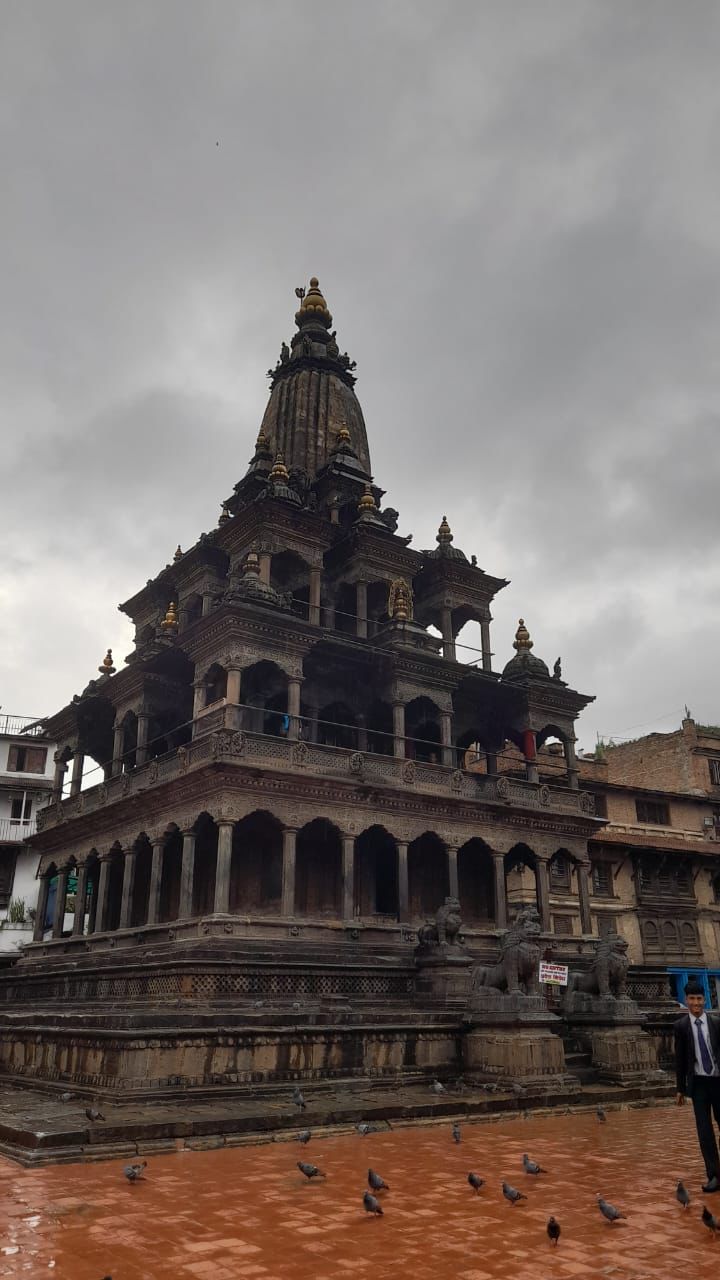
Stone and Spirit

Rising gracefully in the heart of Patan Durbar Square, Krishna Mandir is a testament to devotion carved in stone. Intricate carvings, soaring spires, and quiet corners invite reflection and admiration. Through my eyes, this temple is more than architecture—it is Nepal’s enduring devotion, artistry, and spirit captured in every detail.

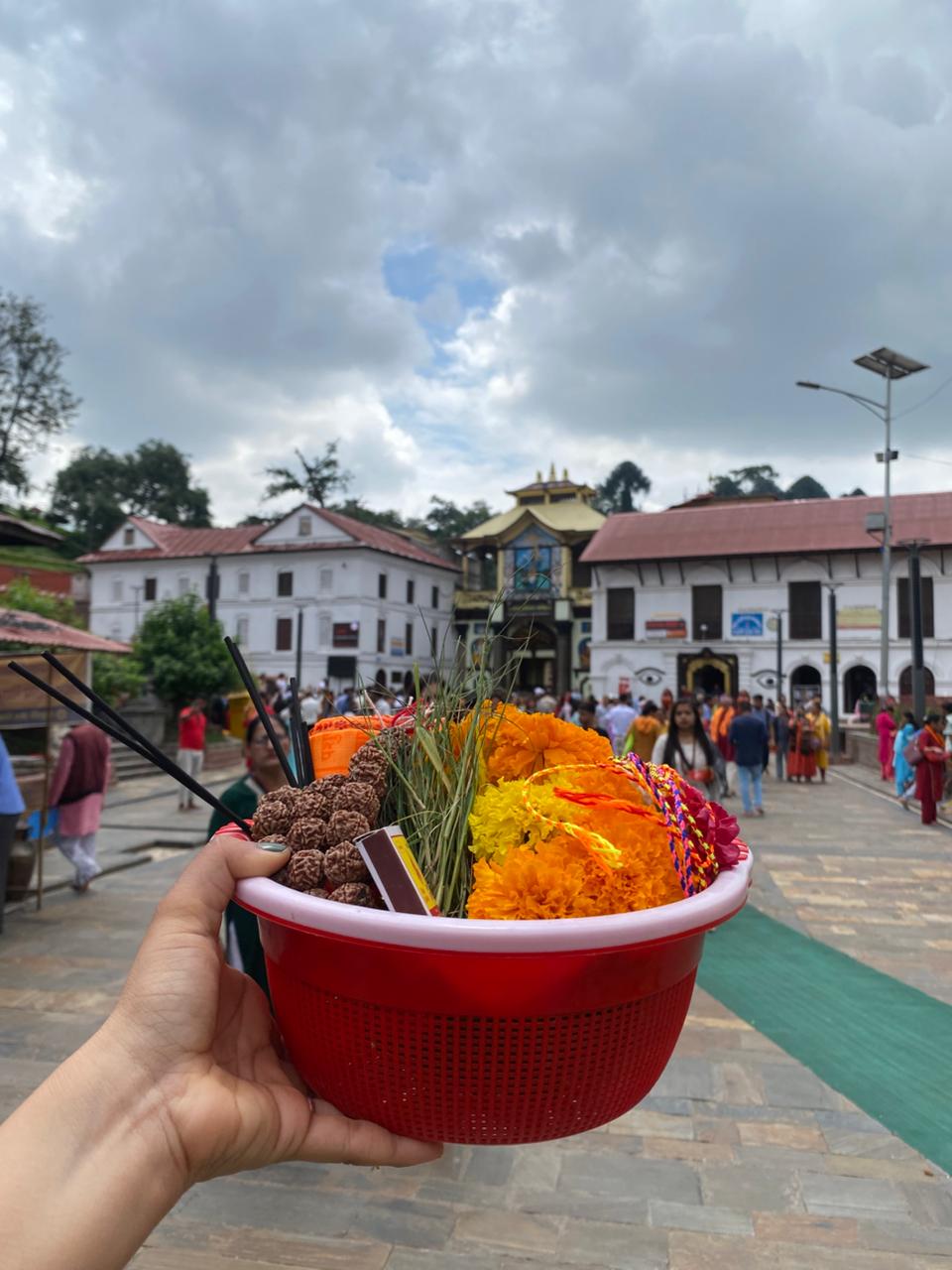
Offering to the Devine

A small basket, heavy with offerings, held gently against the backdrop of a temple that has stood for centuries. Each flower, each incense stick, carries devotion and hope. Through my eyes, this simple gesture connects the earthly with the divine, capturing Nepal’s quiet, enduring faith.

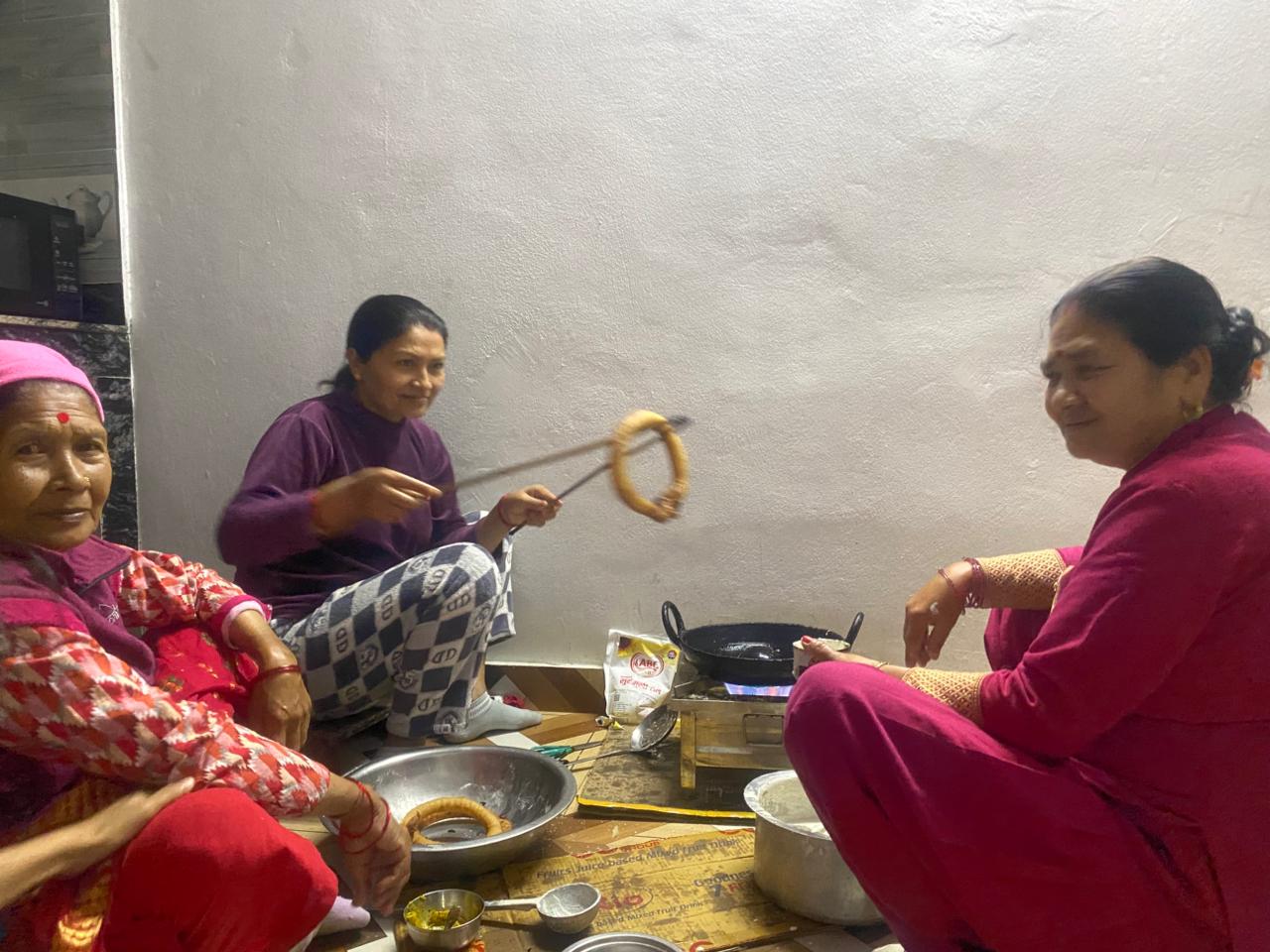
Taste of Tradition

Hands skillfully shape the dough into perfect rings, the aroma of frying selroti filling the air. Laughter and chatter mix with the sizzling sound, turning a simple kitchen into a space of tradition and togetherness. Through my eyes, making selroti is more than cooking—it is Nepal’s celebration of heritage, warmth, and shared joy.

Stories in Wood and Brick

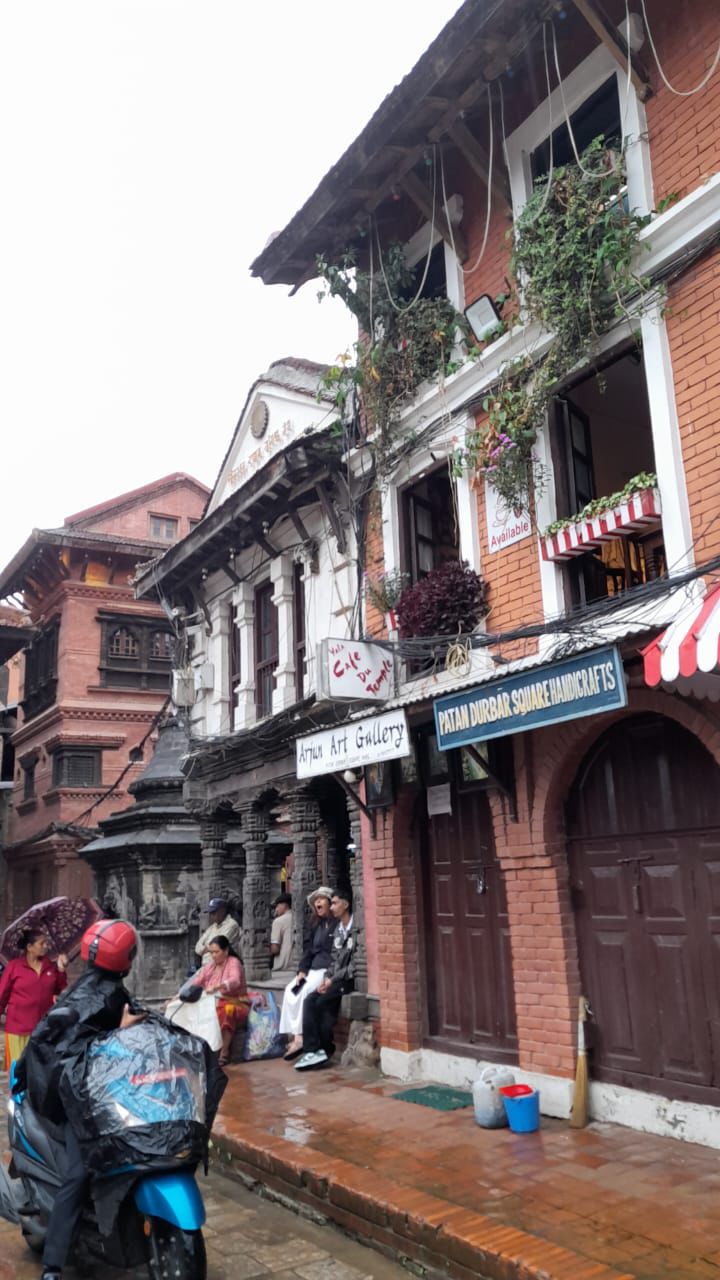
Intricate wood carvings, tiered roofs, and ornate windows tell stories that span centuries. Each building reflects the artistry, resilience, and cultural heritage of Nepal, standing gracefully amid the rhythms of daily life. Through my eyes, these structures are more than buildings—they are living chronicles of tradition, community, and creativity.

Where Faith Touches the Sky

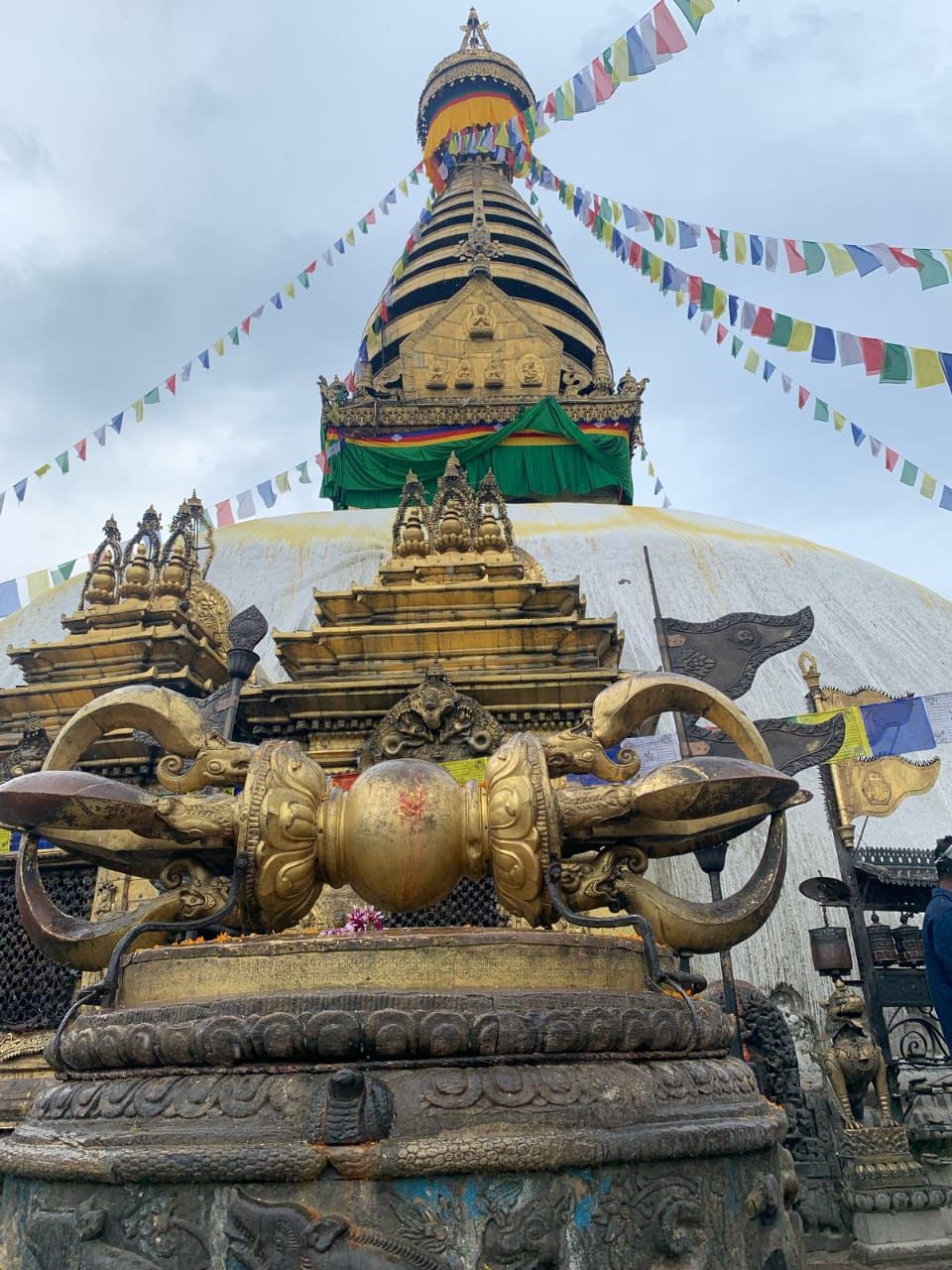
Perched atop the hill, Swayambhunath overlooks the city with its golden spire and all-seeing eyes. Monkeys roam, prayer flags flutter, and the scent of incense drifts through the air. Through my eyes, this stupa is more than a landmark—it is Nepal’s spirit in motion, where devotion, history, and daily life meet under the open sky.

Bond of Color and Faith

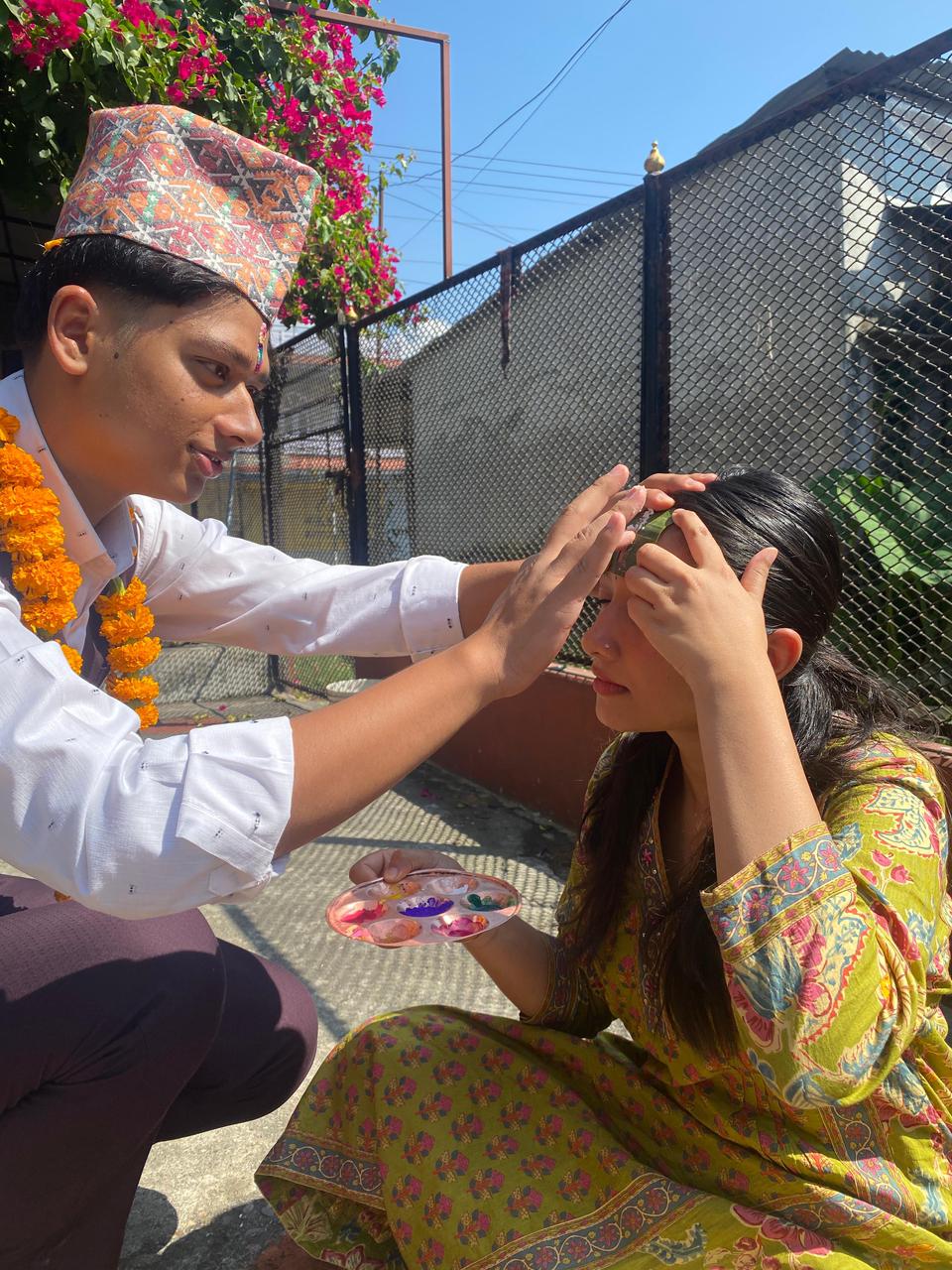
A sister’s love marked with tika and garland, a brother’s care returned with the same devotion—Bhai Tika is a celebration of bond, protection, and tradition. In this simple ritual, laughter, respect, and family converge. Through my eyes, moments like these are Nepal’s heartbeat, where relationships are celebrated with color, faith, and warmth.

Tying Lives Together

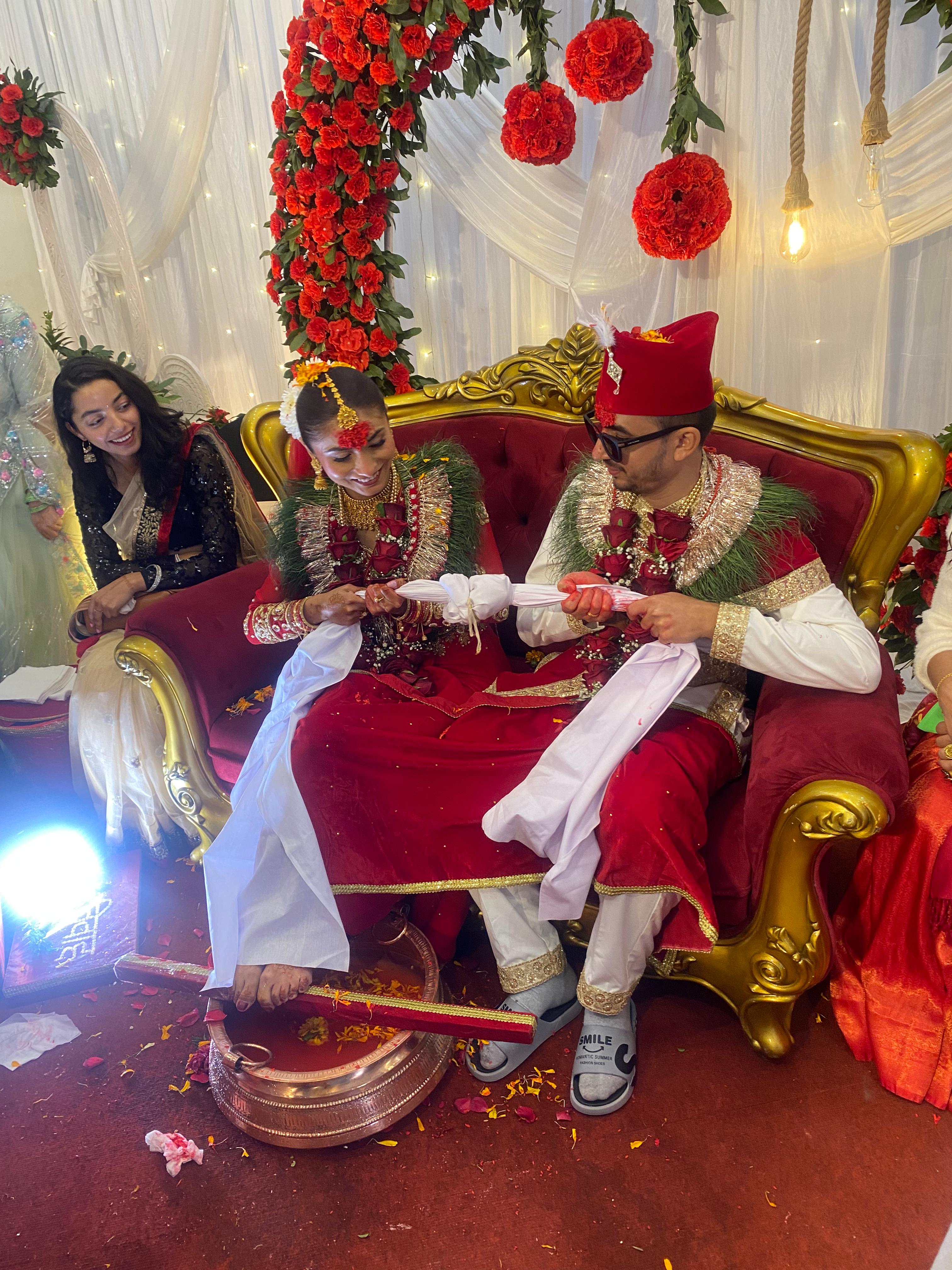
Hands together, hearts intertwined—pulling the sacred knot binds not just the cloth, but two lives in devotion, trust, and love. Through my eyes, this simple act captures the essence of Nepalese weddings: tradition, partnership, and the beauty of shared beginnings.

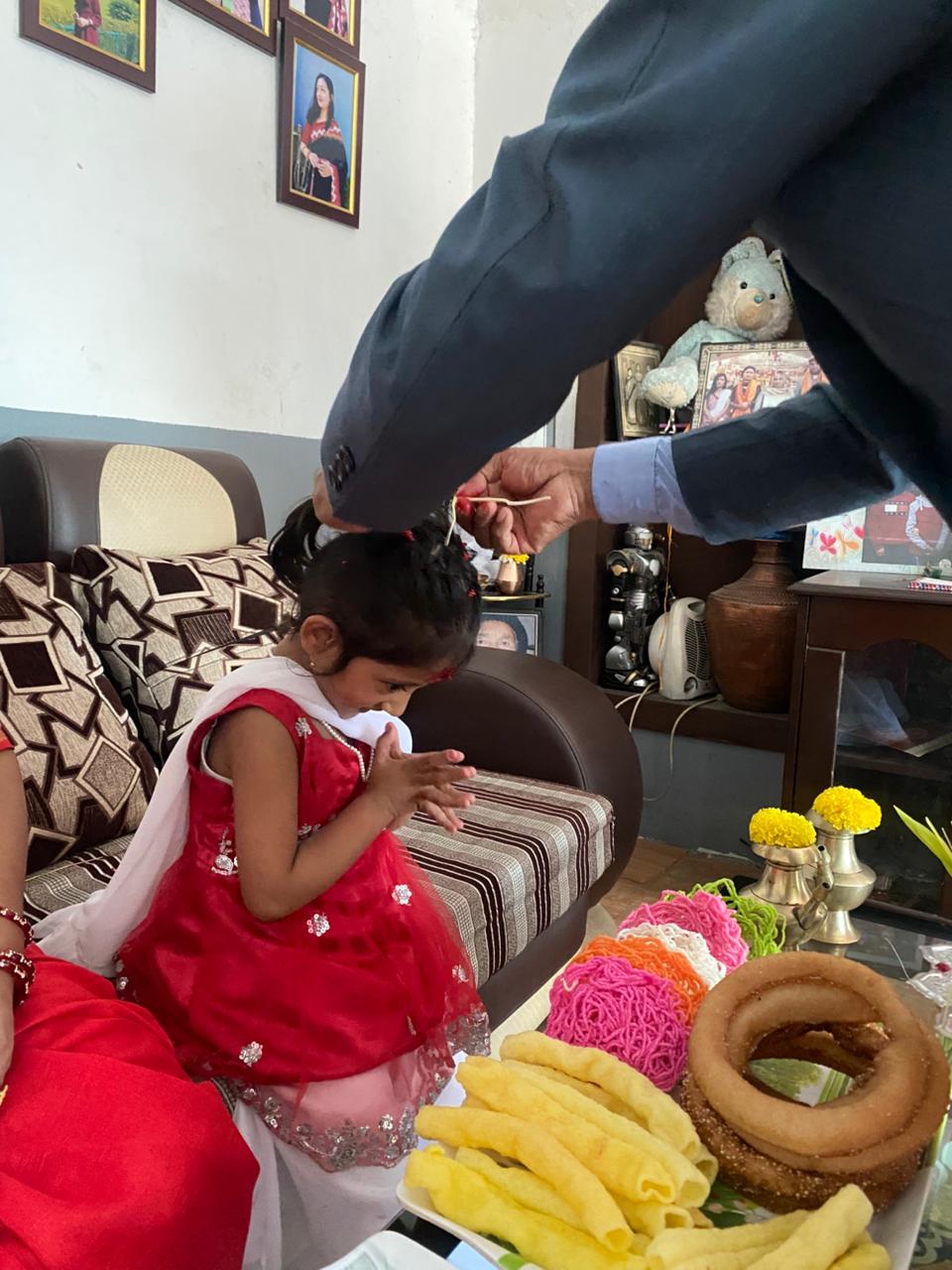
A Child’s Dashain

Sitting patiently, she waits for the tika to be placed on her forehead, surrounded by the colors, scents, and treats of Dashain—selroti, jhilinga, and more. Through my eyes, this moment captures the warmth of tradition, the joy of family, and the sweet simplicity of Nepalese festivals.

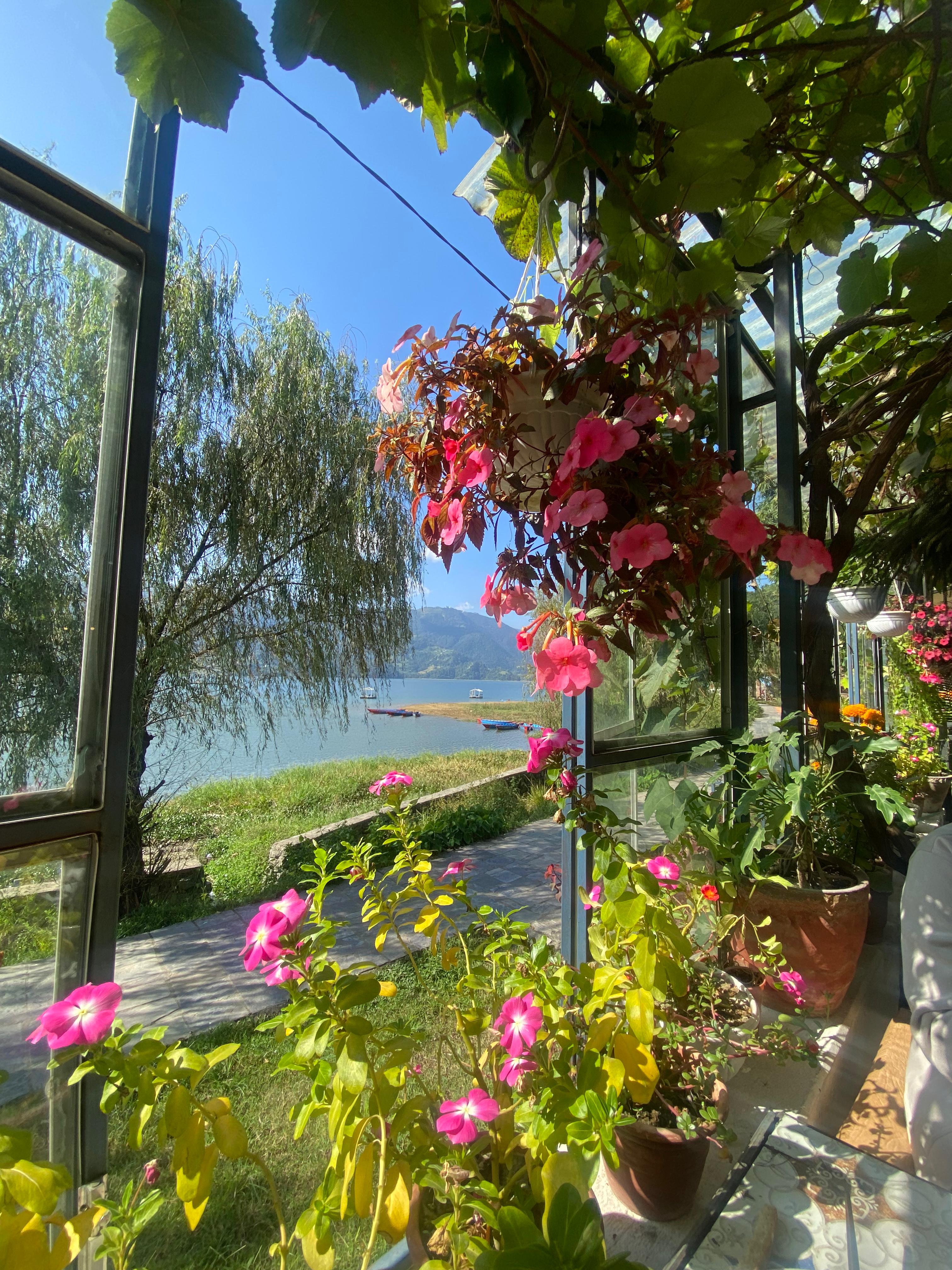
Moments by the Lake

Sunlight filters through spring blossoms, spilling into a cozy café that opens onto the serene waters of Phewa Lake. Cups of tea, laughter, and the gentle ripple of the lake create a moment of calm and connection. Through my eyes, this is Nepal’s blend of nature and warmth—a place to pause, breathe, and savor life.

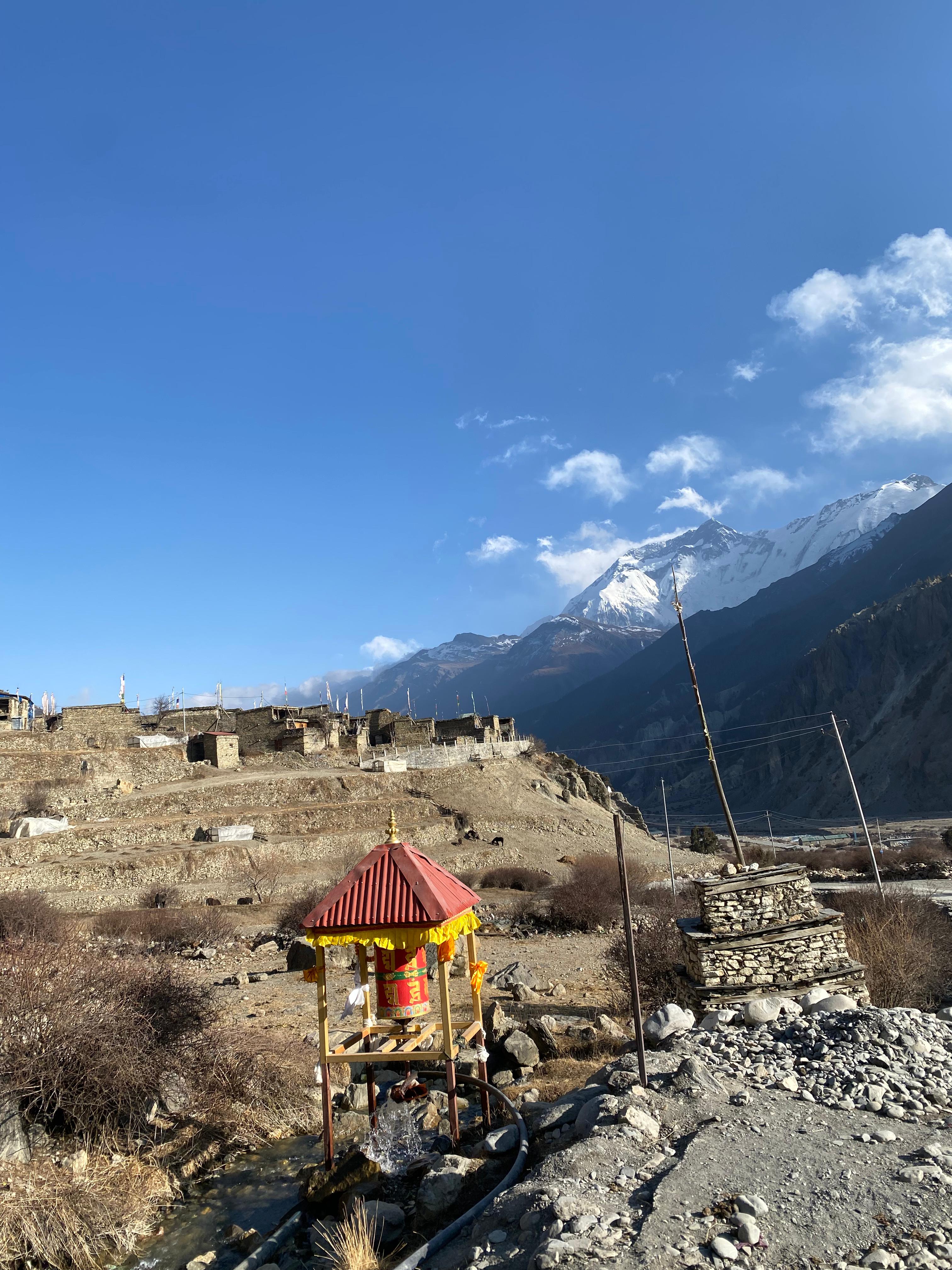
Spinning Prayers in Manang

The prayer wheel spins gently, carried by the flowing water, sending blessings across the village of Manang nestled nearby. Each turn whispers devotion, each ripple reflects tradition in motion. Through my eyes, this scene is Nepal’s harmony—where faith, nature, and daily life flow together seamlessly.

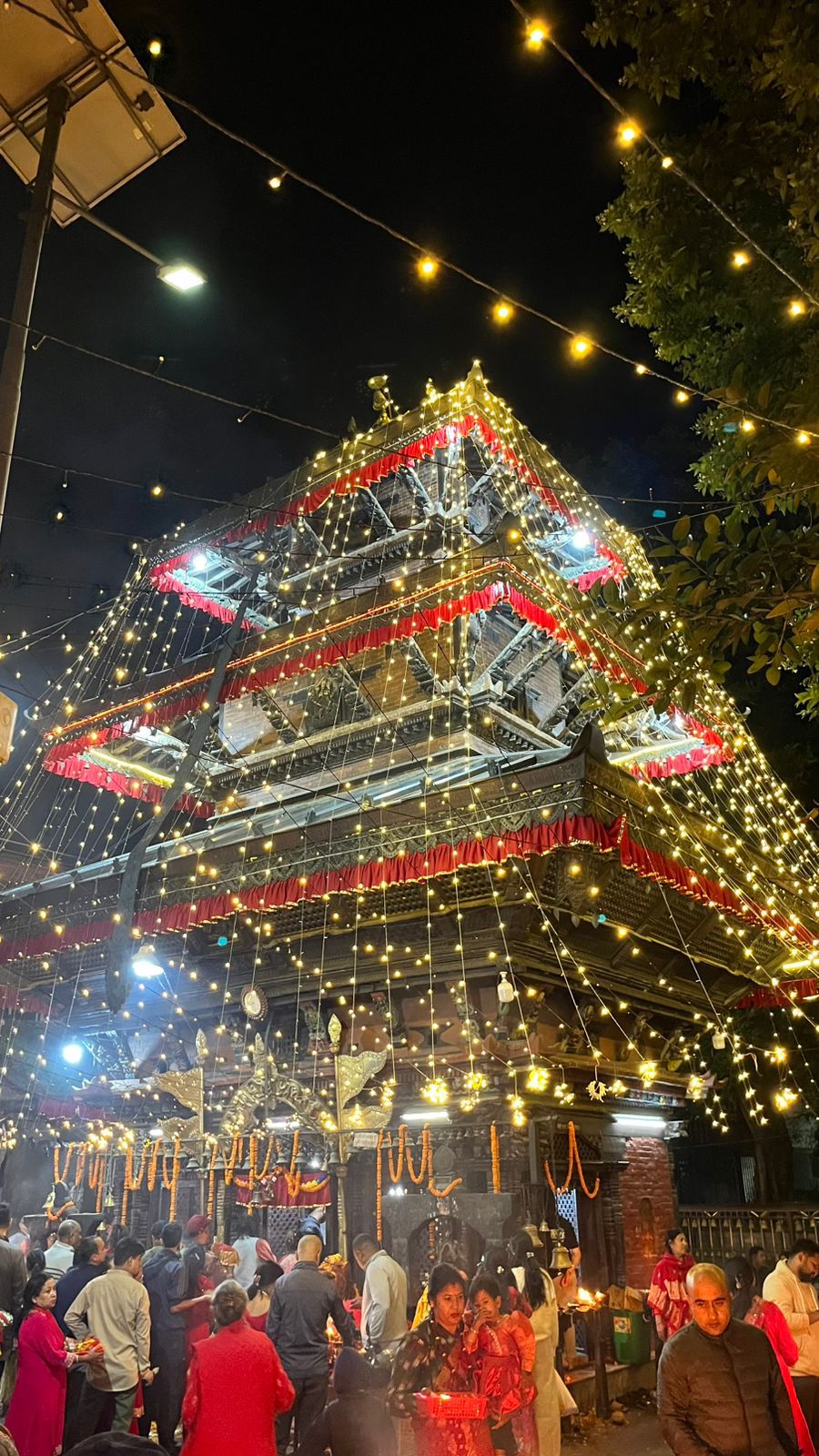
When the Temple Dances in Light

As night falls, the temple awakens — every corner shimmering with the soft glow of countless diyos. The air feels alive, filled with laughter, prayers, and the gentle hum of devotion. In this sea of light, even silence seems to shine. Through my lens, I wanted to capture that fleeting moment when faith meets beauty — when a temple doesn’t just stand, but glows like a heartbeat of the night.

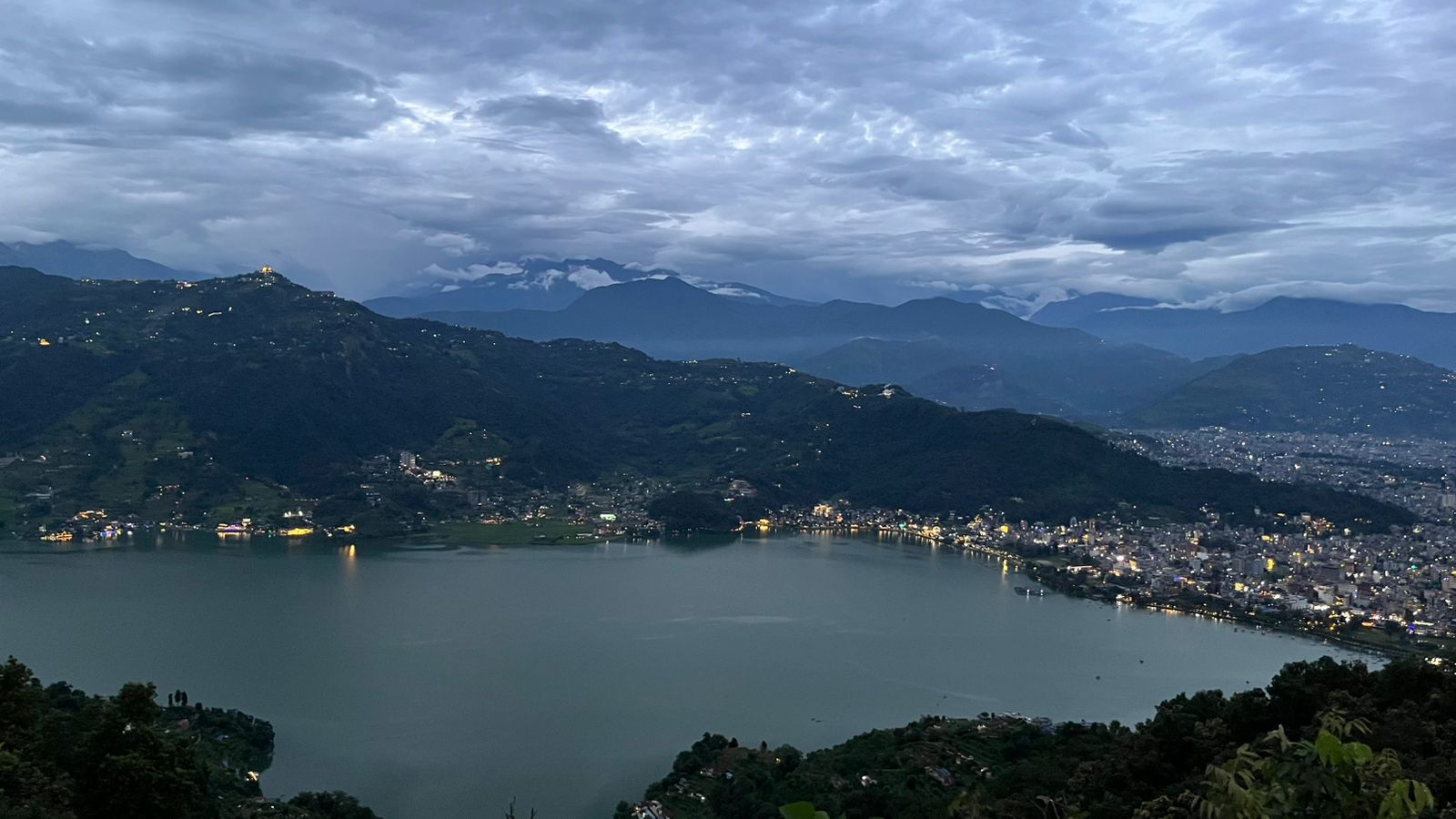
When Pokhara Begins to Glow

Just after sunset, when the world balances between light and darkness, Pokhara begins to glow. From the hilltop, the valley below looks like a field of stars — every home lit, every reflection dancing on Phewa Lake. Above it all hangs a sky as soft and cloudy as milk just touched by lemon, folding the city in a quiet, silvery calm. In that fragile moment between day and night, Pokhara feels like a dream — alive, glowing, and almost whispering to the clouds.

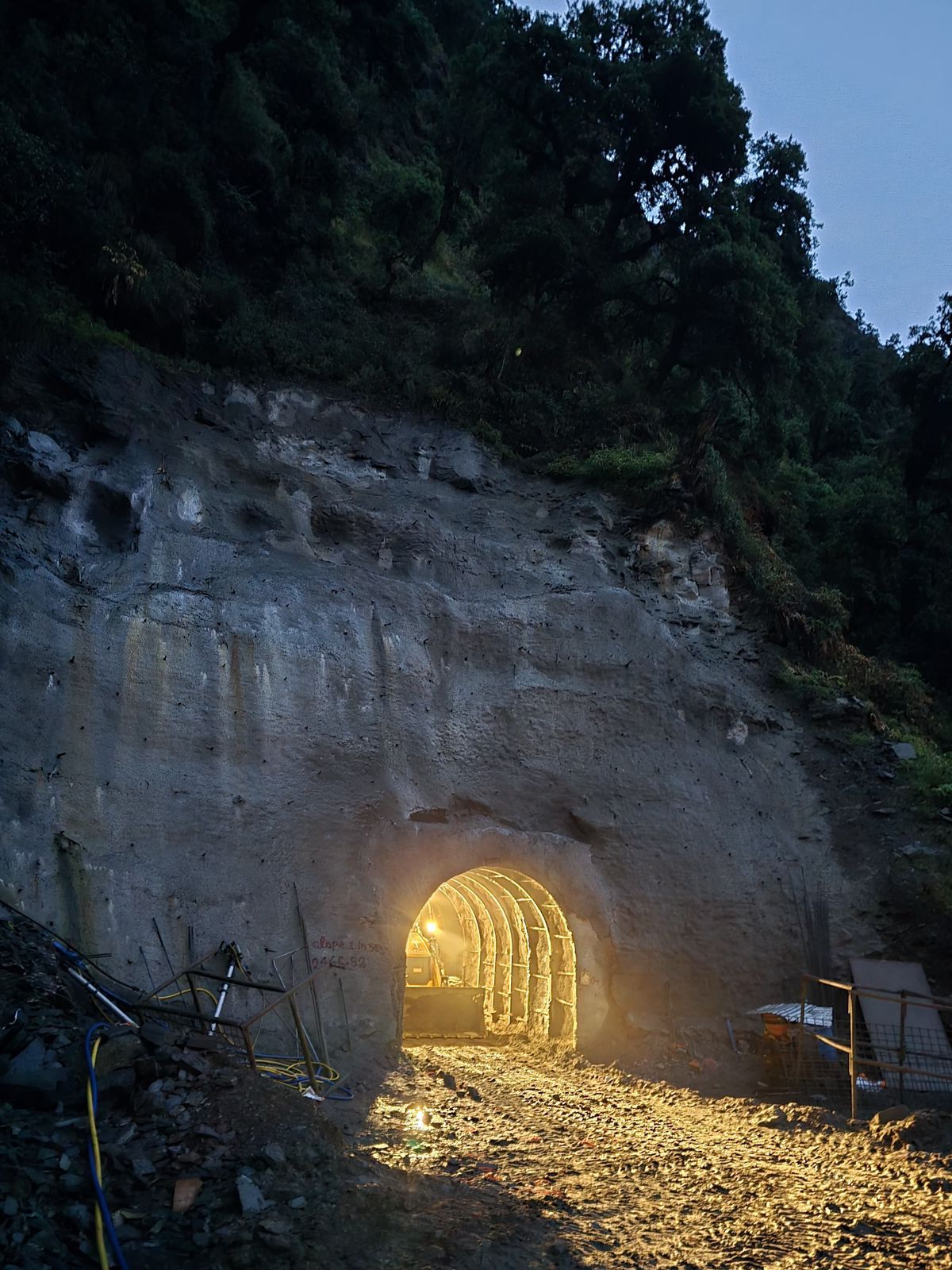
The Light at the End

As dusk settles, the tunnel glows from within — a single beam of light cutting through rock and shadow. The workers have left for the day, but their effort lingers in the air, warm and alive. Outside, the evening deepens; inside, the light hums like hope itself. In that quiet hour, the tunnel becomes more than stone and dust — it’s a reminder that even in the heart of darkness, Nepal keeps digging toward light.

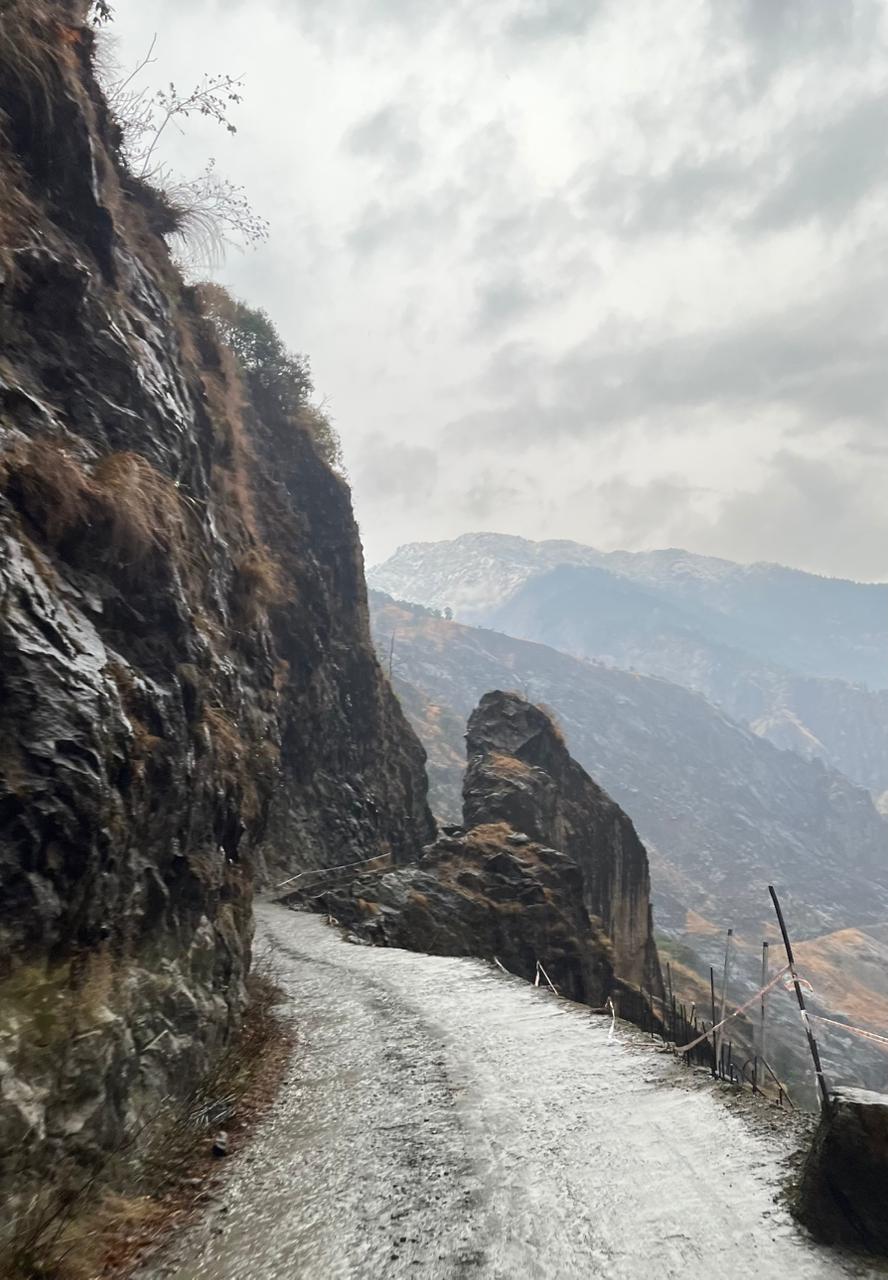
The Edge of the Road

Carved into the ribs of the hill, this narrow road clings to the mountain like a whispered dare. One wrong turn, and the world falls away — yet people travel it every day, trusting the path as if it were part of their heartbeat. In places like this, courage isn’t loud — it’s the quiet hum of an engine moving forward, one careful meter at a time.

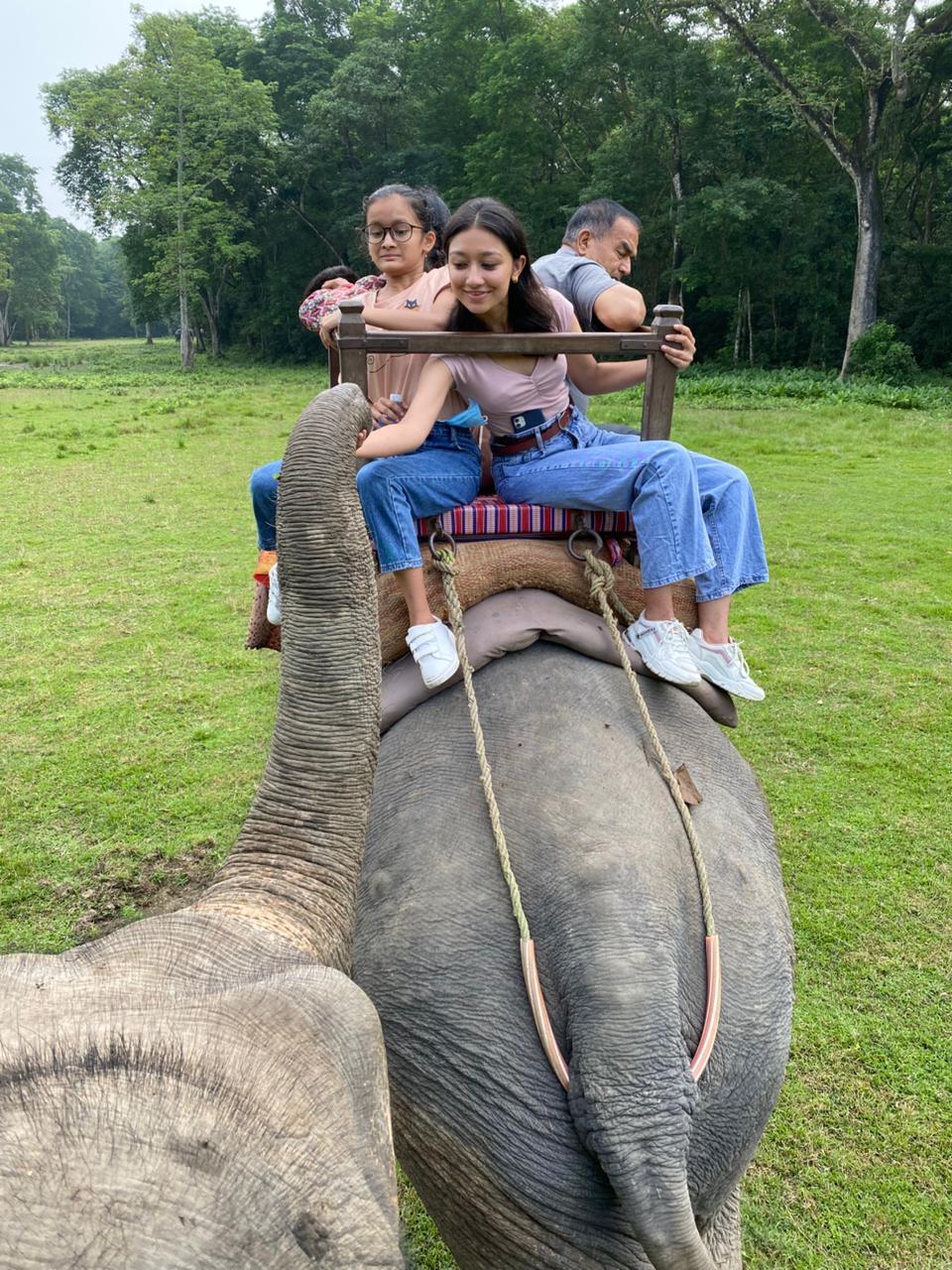
A Gentle Greeting

In the soft golden light of Sauraha, I sat behind the great curve of an elephant’s back — feeling the slow rhythm of her steps. Another elephant passed by, and for a moment, its trunk reached out toward me. I stretched my hand, and touch became language. That brief connection — between human and giant, between calm and curiosity — reminded me that Nepal’s beauty isn’t only in its landscapes, but in the quiet ways life reaches out to meet you.

Stillness in Wood and Light

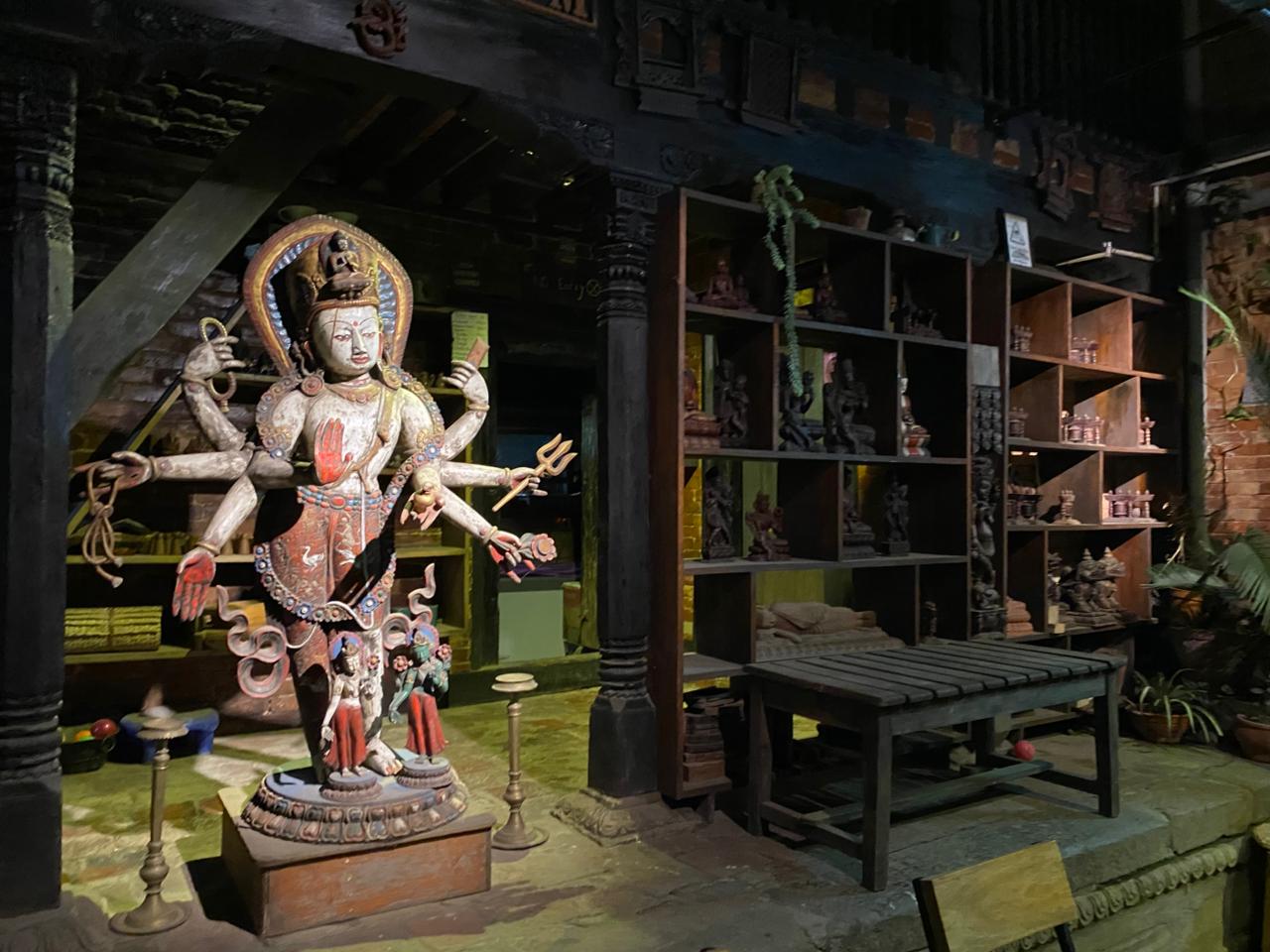
In a quiet corner of an old courtyard, a deity stands bathed in warm light. The air smells of wood, dust, and memory — as if the walls themselves have been listening to prayers for centuries. Here, art is not just decoration; it is devotion carved into form. Through my lens, I wanted to capture that stillness — where time, faith, and craft breathe together in silence.

A Plate of Heritage

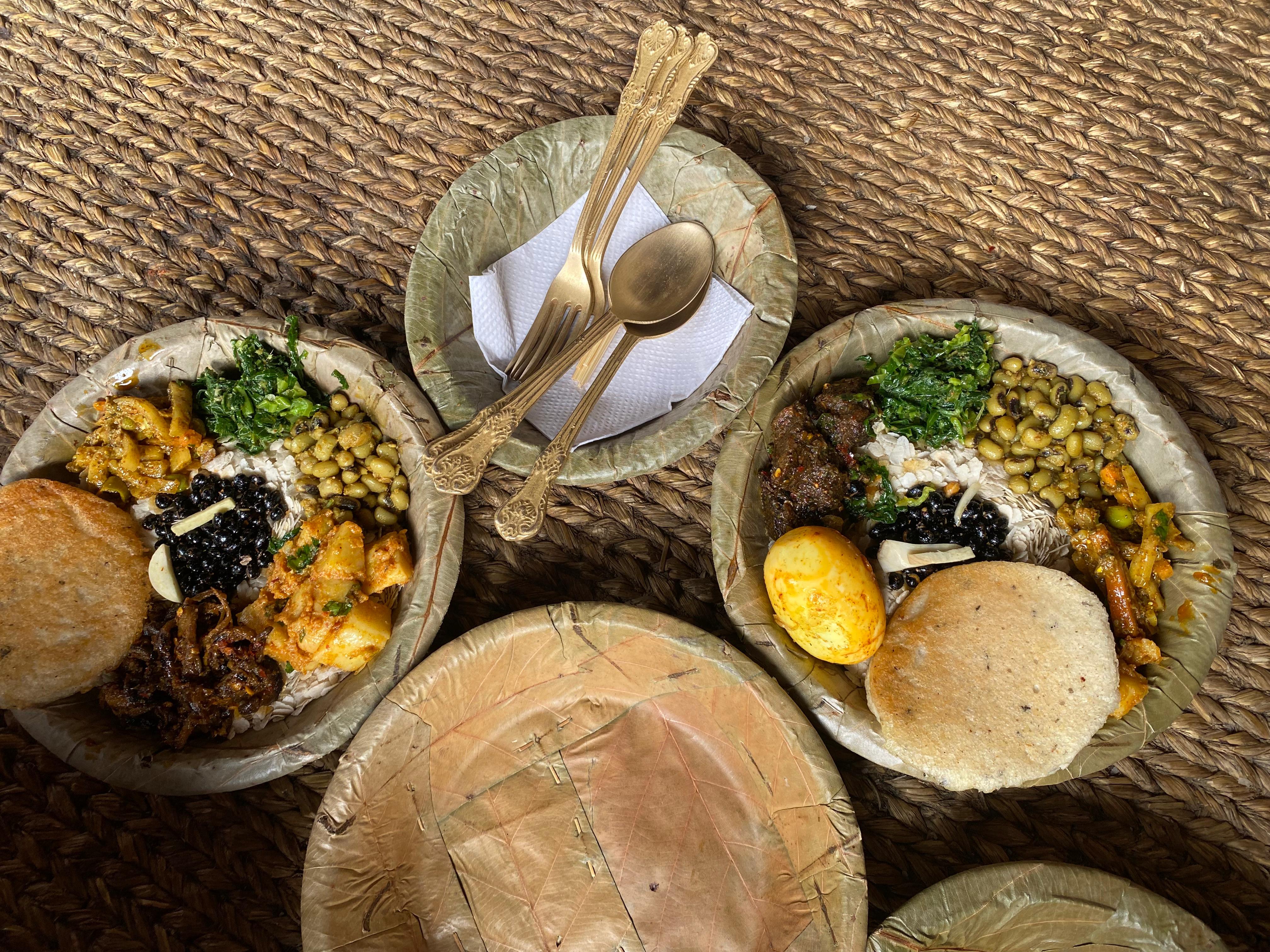
A plate of Samay Baji — humble yet sacred — tells stories older than words. Beaten rice, spiced meat, boiled egg, black soybeans, and a touch of fiery pickle come together not just as food, but as tradition served on a leaf. Every flavor carries memory — of festivals, family, and the timeless rhythm of Newa life. Through this plate, I see how culture lives not only in temples and art, but also in the warmth of shared meals.

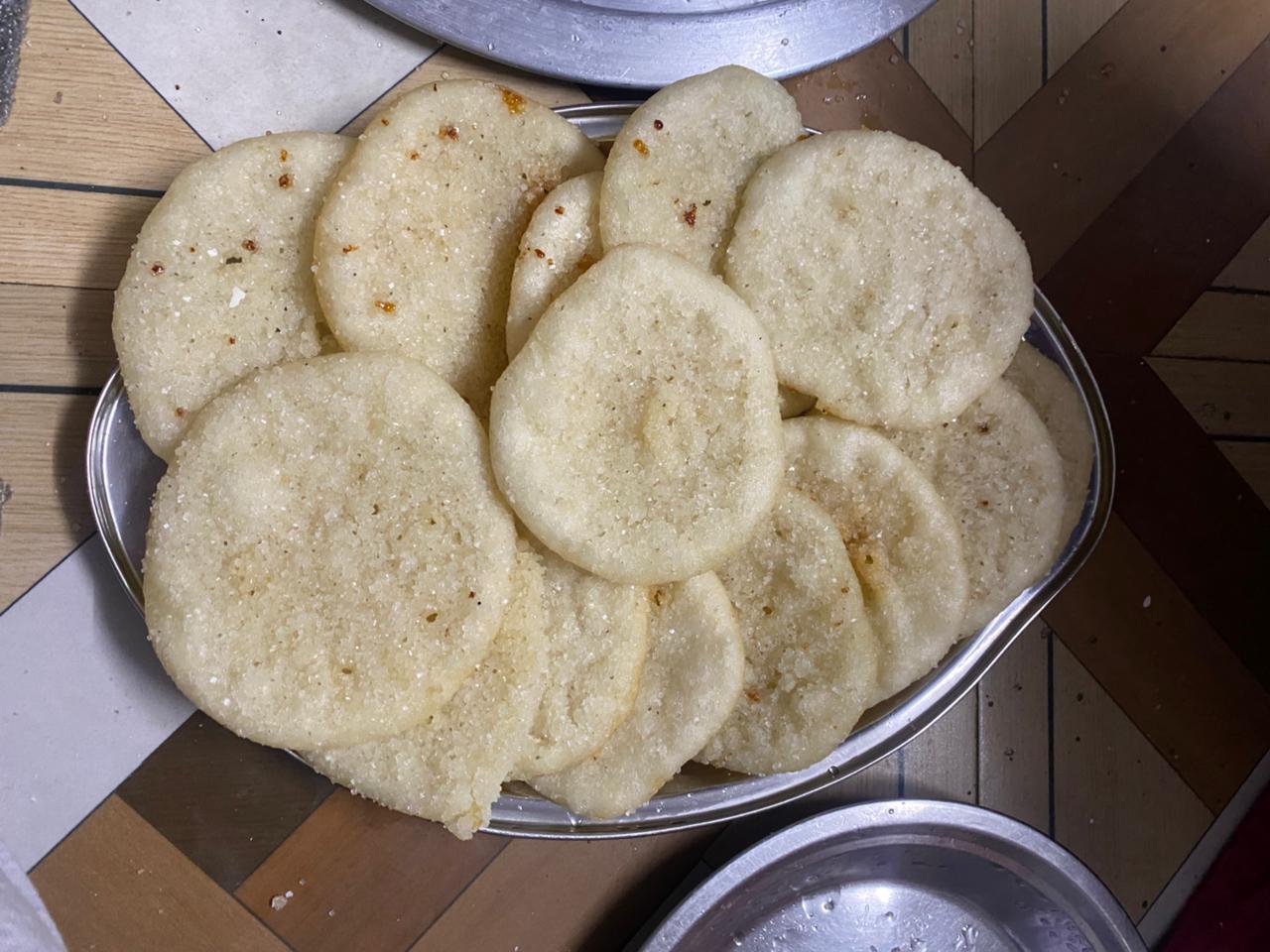
Sweet Traditions in a Tray

In the heart of Nepal, even simple treats tell a story. These soft, white arsa, carefully prepared and shared, carry the warmth of home, festivals, and generations of tradition.

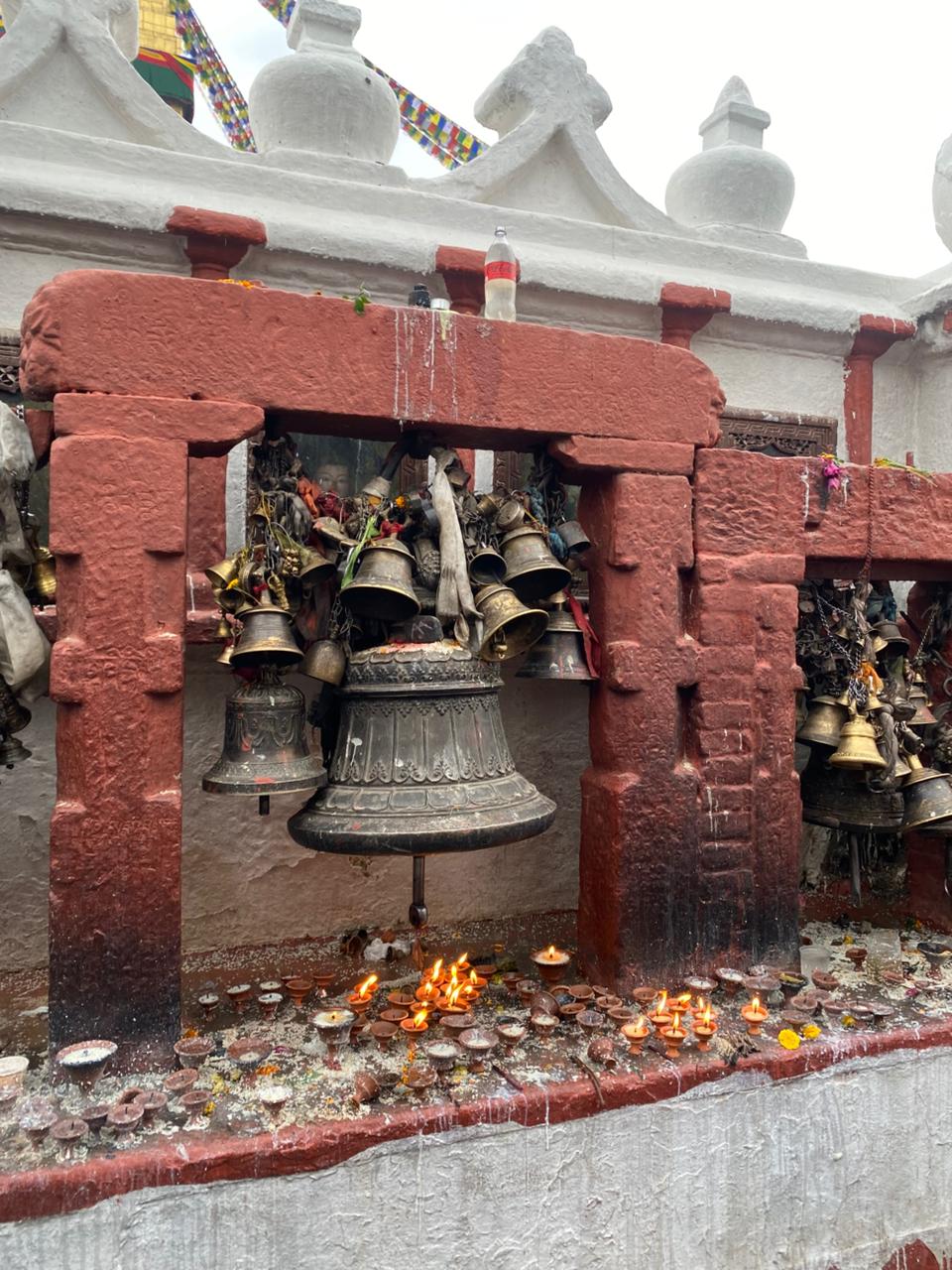
Bells and Flames of Devotion

The gentle ring of prayer bells and the soft glow of diyas illuminate more than temples — they illuminate hearts, carrying centuries of faith, devotion, and Nepali tradition.

Generations of Blessing

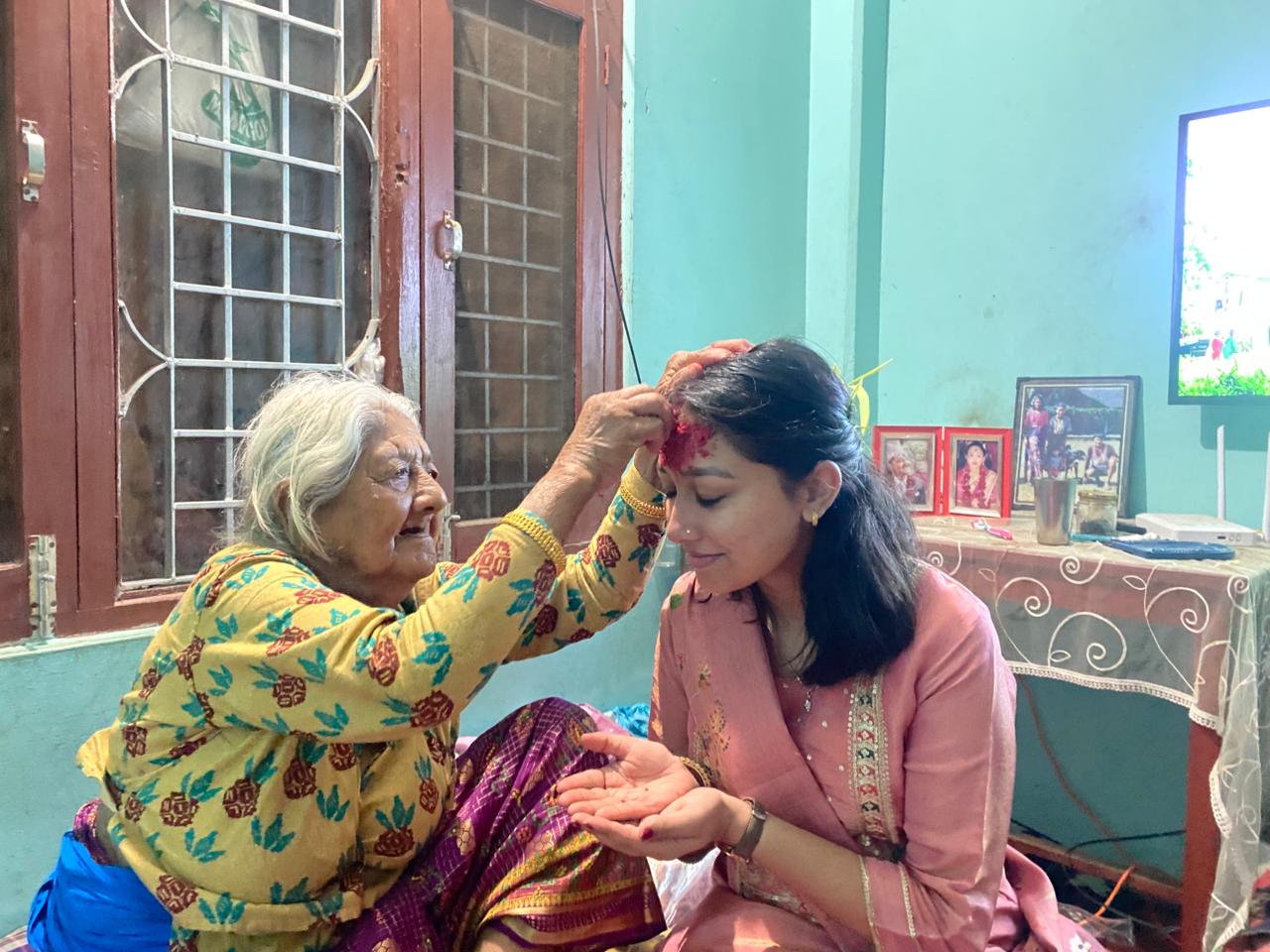
A hundred years of wisdom, love, and tradition rest in her hands as she places the Dashain tika on my forehead — a simple gesture carrying centuries of Nepali heritage and familial blessings.

Threads of Time

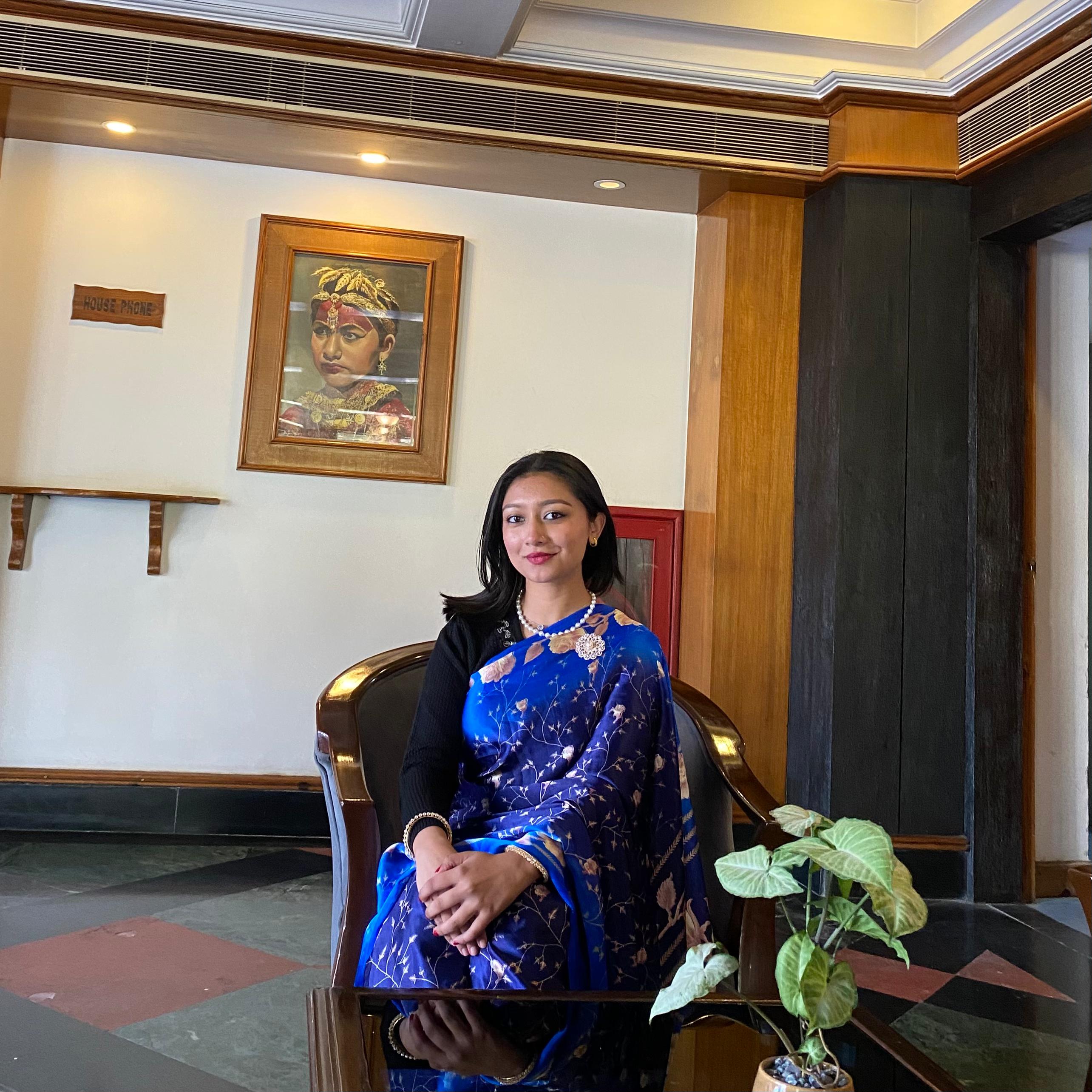
Wearing a saree that has adorned generations before me, I feel the weight and warmth of history — each fold a story, each color a memory of Nepali tradition and family legacy.

The Colors of Tradition

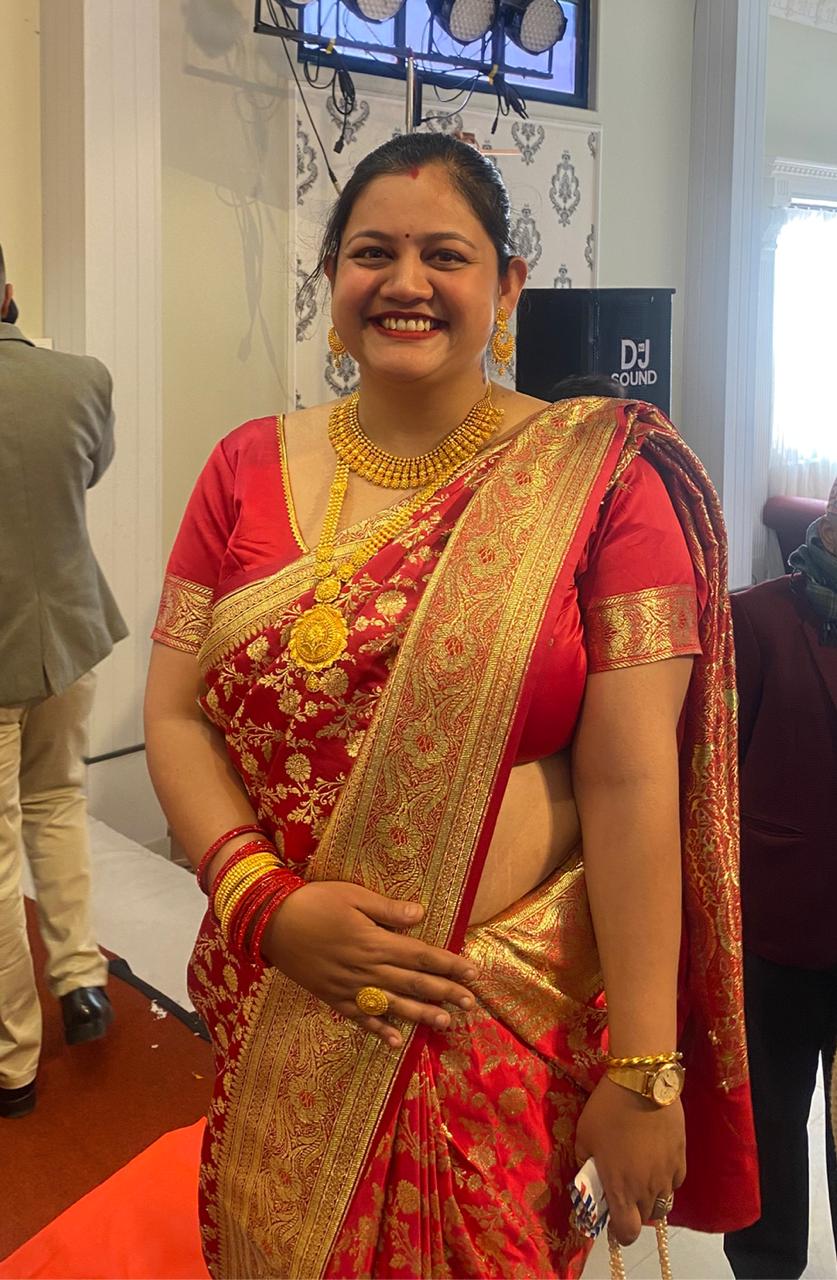
Draped in a vibrant red saree, adorned with gold jewelry, sindoor, tika, and bangles, she embodies the grace, strength, and timeless traditions of Nepali married life — a living portrait of heritage.

Enduring Smiles

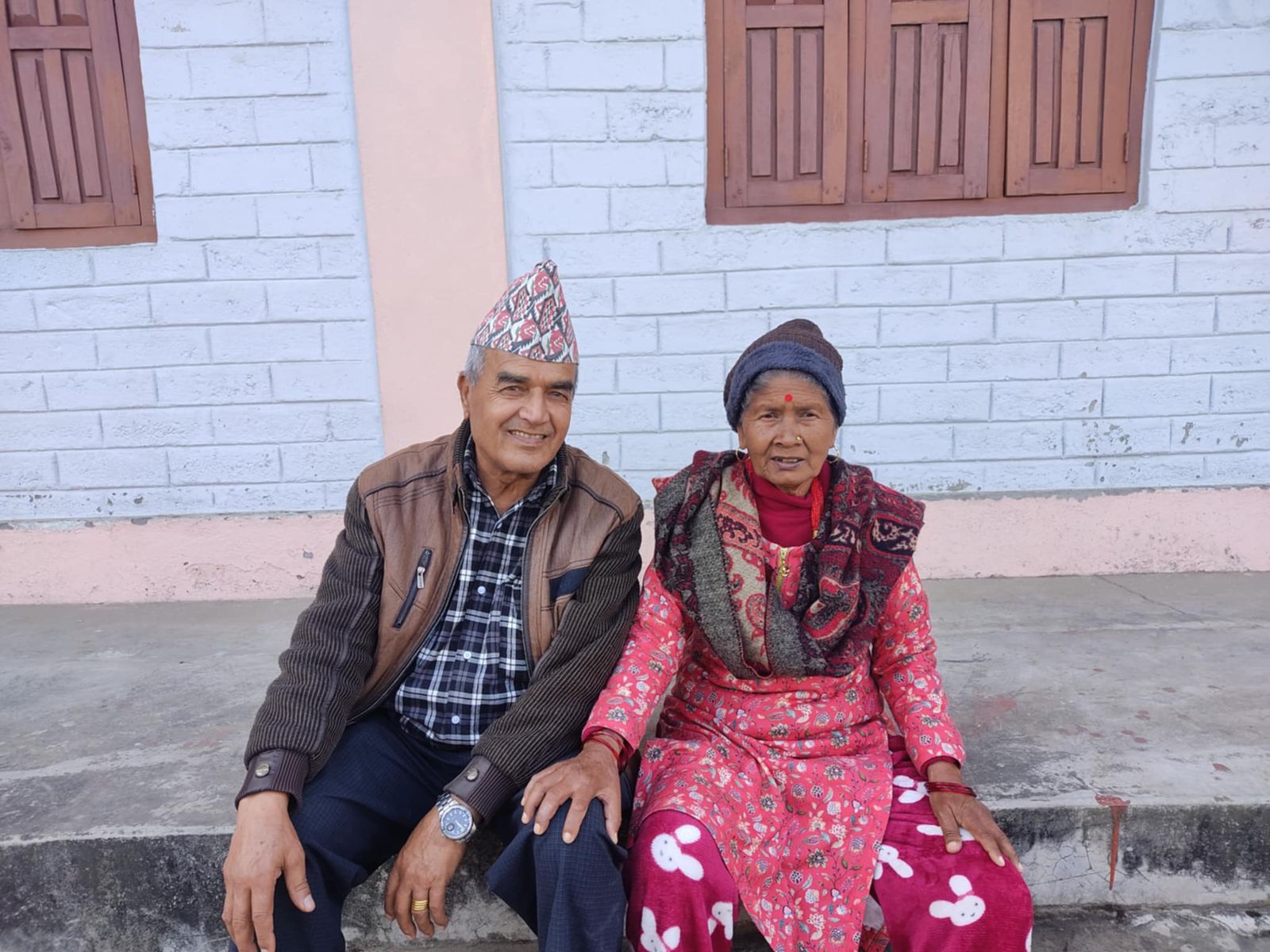
Together through decades, their smiles tell a story of love, resilience, and shared memories — a quiet glimpse into the beauty of lifelong companionship in Nepal.

Joy in Small Corners

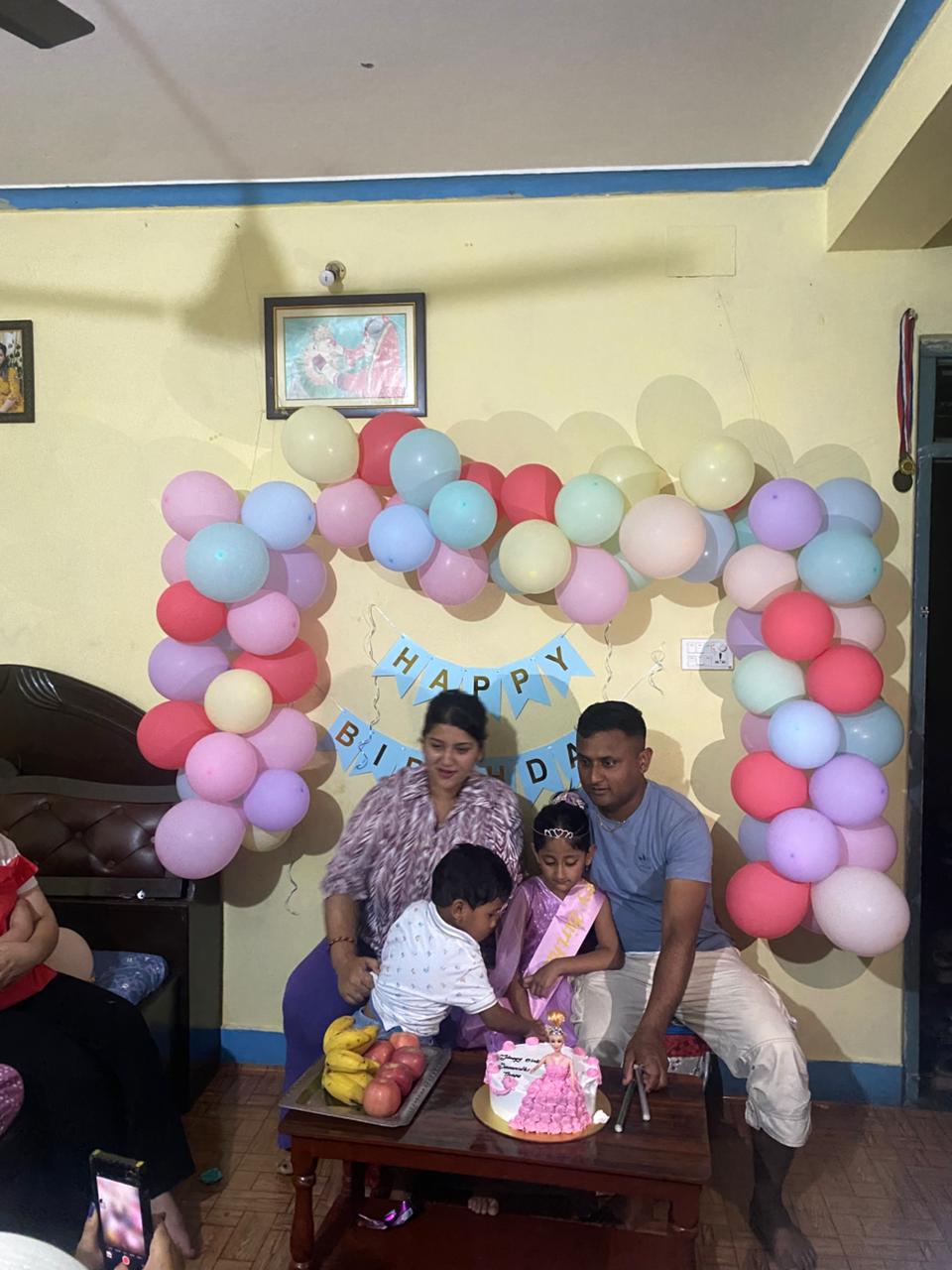
A simple bedroom, balloons hanging low, a cake at the center — in the heart of a middle-class Nepali home, birthdays are less about grandeur and more about laughter, togetherness, and the warmth of family.

Highland Haven

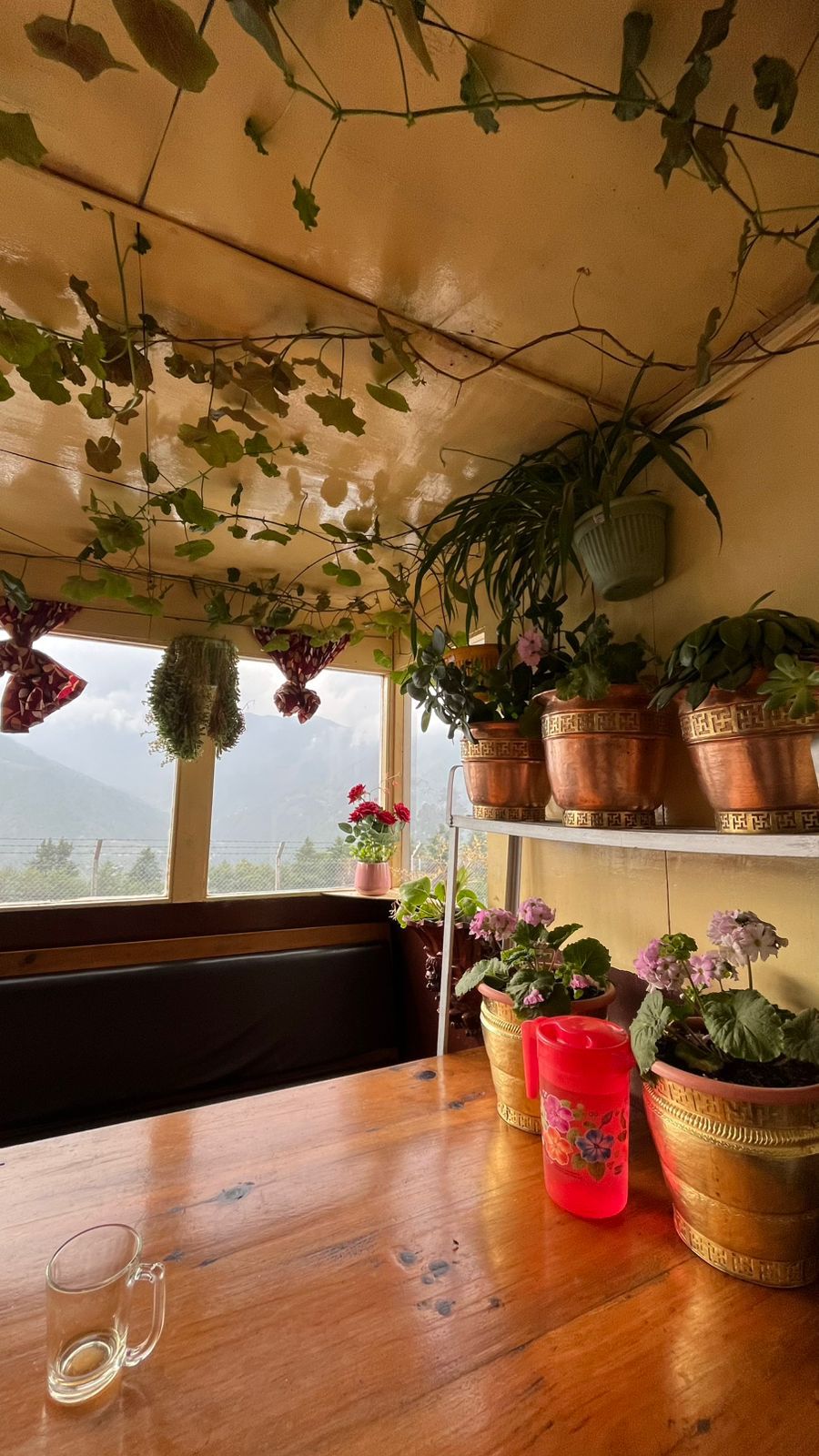
Tucked amidst the mountains of Solukhumbu, this cozy café blends warm hospitality with breathtaking views — a serene pause in the heart of Nepal’s highlands.

Riding Through Nepal

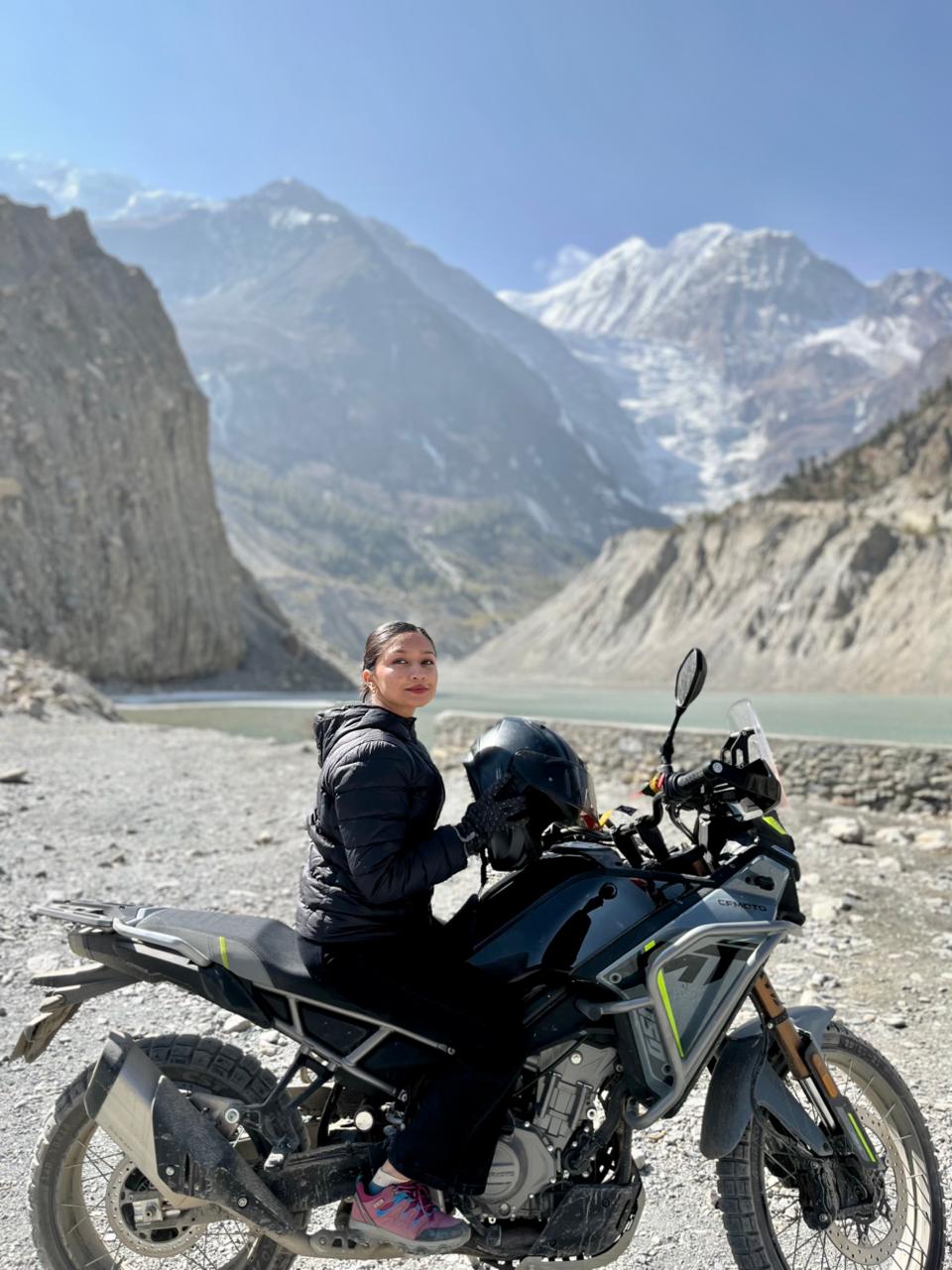
The wind on my face, the mountains behind me — every ride through Nepal is a journey through its beauty, culture, and untamed spirit.

Recent Posts

dd image

How Stories Can Teach Grammar

Moving beyond rote memorization to meaningful language acquisition through narrative...

Teaching Reflection
Read More →
tolerance image

Clean Start: Born from a Bandage and a Dream

From frustrated student to passionate educator - how I transformed my educational journey and created the learning environment I always wanted...

Education Journey
Read More →
hmmm

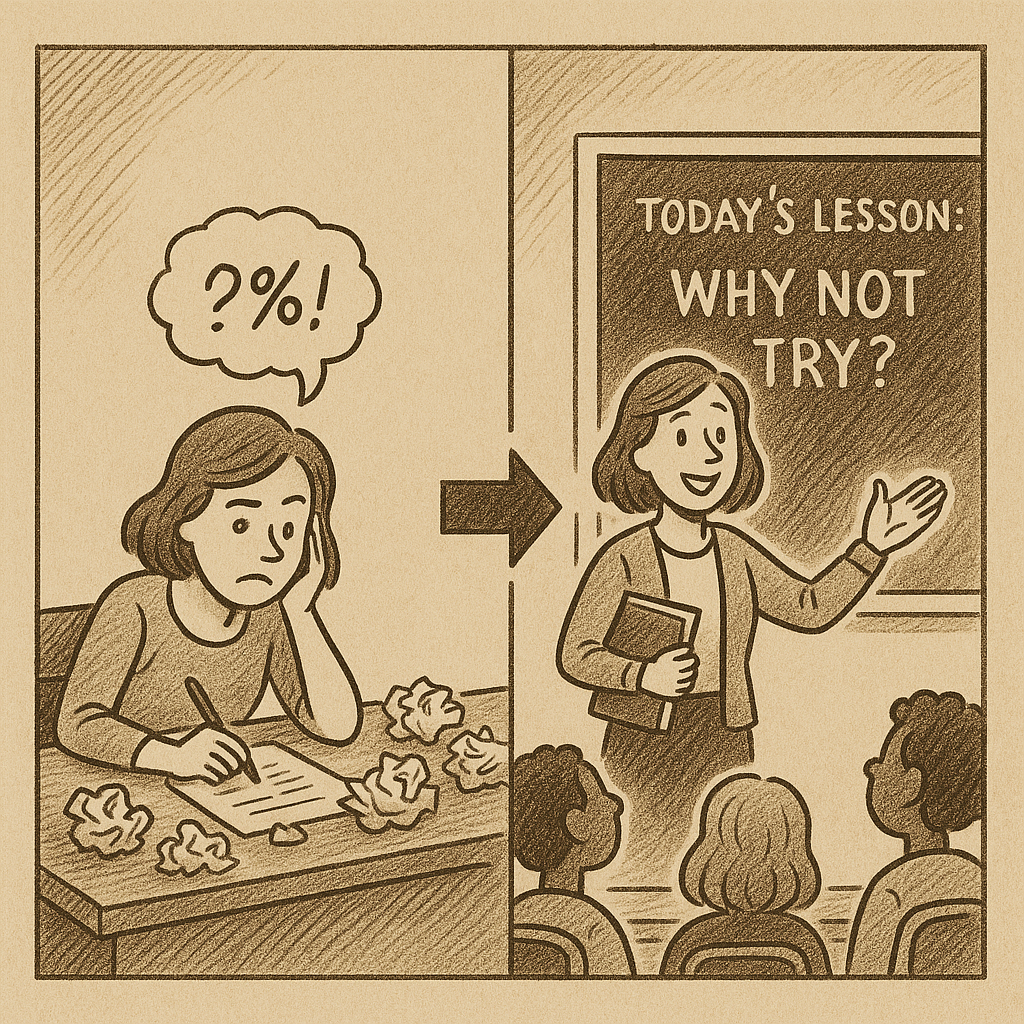
Why I Stopped Complaining and Started a Classroom

I was a very inquisitive child, always asking how and why. Why is the sky blue? Why do we see stars? "Why" was not just a question, but a great source of joy. It made me feel alive.

Classroom
Read More →
ummm

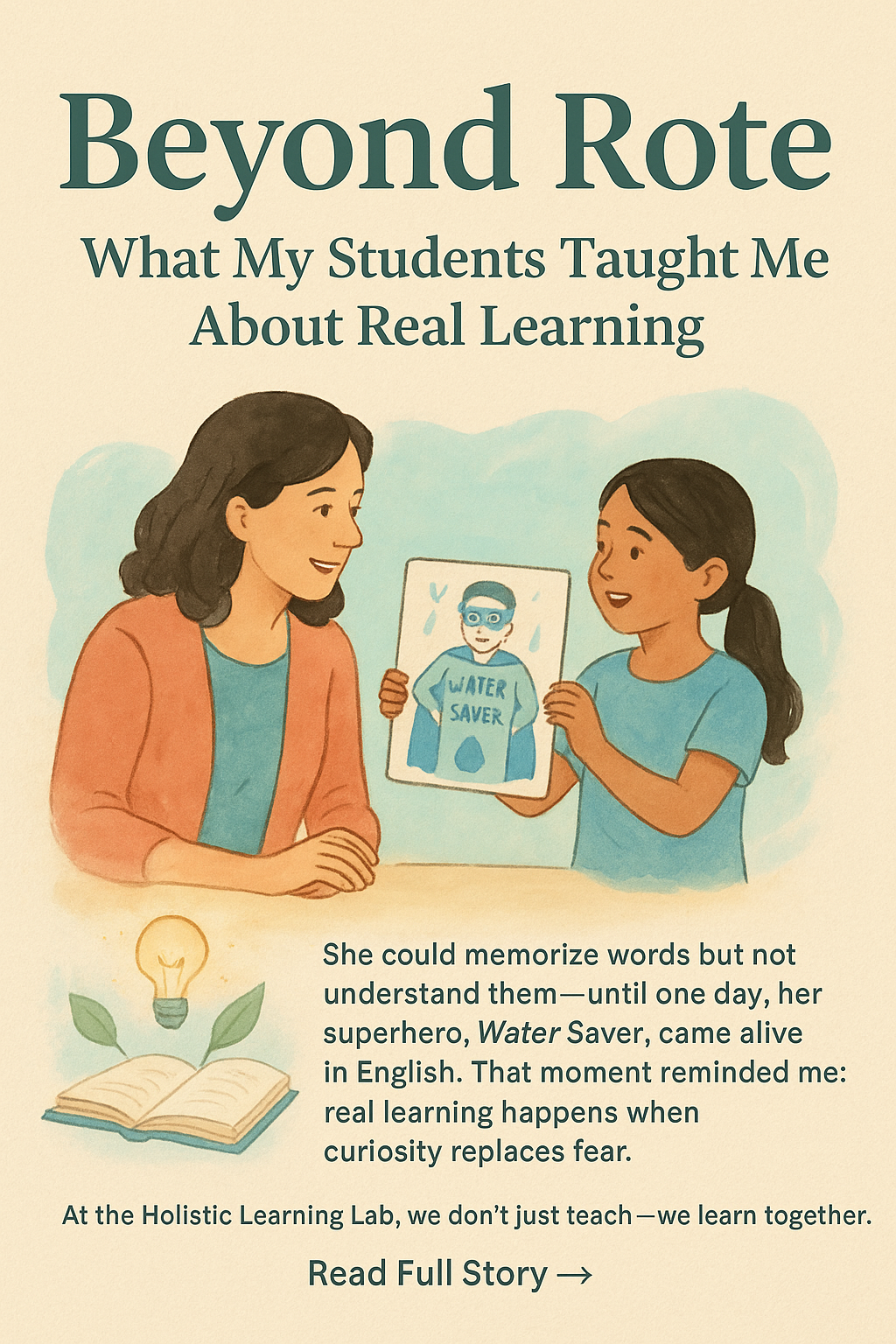
Beyond Rote: What My Students Taught Me About Real Learning

When I first started the Holistic Learning Lab, I thought I was there to teach. But soon I realized that I was the one learning through those children about patience, curiosity and what learning is all about.

Students
Read More →
← Back to All Posts

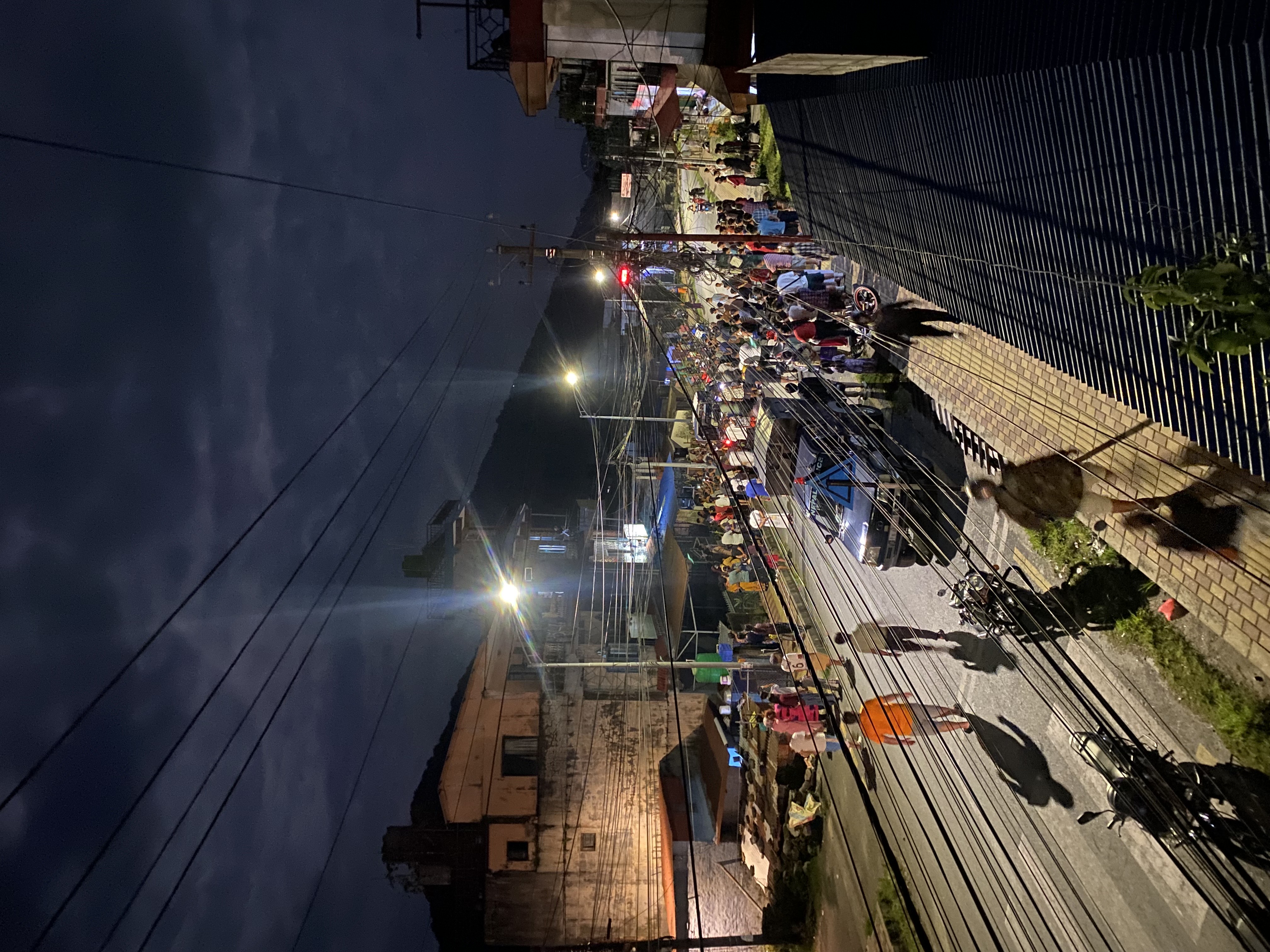
Bullets for Students, Silence for Justice : Nepal's Brutal Reality

protest image

Imagine this: a thug storms armed with a large sharp weapon towards a motorbike mechanic, raging to murder him in front of many people. The victim cowers — too poor, the kind Nepal's cops dismiss as subhuman. I marched to the police station, demanding an FIR. Hours drag into a nightmare of sneers and stalls. "No injury? No case," they bark. Eyewitnesses? Irrelevant. They intimidate, misbehave like feudal lords with guns. Finally, I force the paper through. But still they dismiss it, saying, "You're wasting our time; he'll be out tomorrow." When I asked about our safety, a cop threatened to shred the FIR like it was toilet paper. Like playground bullies with badges, the cop intimidated me. I quote him: "This is Nepal. This is how it works." I was deeply shaken by the behavior of that officer who was proud of the way the system works here.

I stumble home, pulse racing. Then, from the balcony next door, the perpetrator's brother erupts — screaming he'll rape me and slaughter me. Terror grips me; I dial the police again. They arrive, posture briefly: "He won't do it again." Lies. The moment their boots fade, the threats roar back, venomous and unchecked. Their verdict? "Shut your windows and sleep." As if my safety were a bedtime story to ignore.

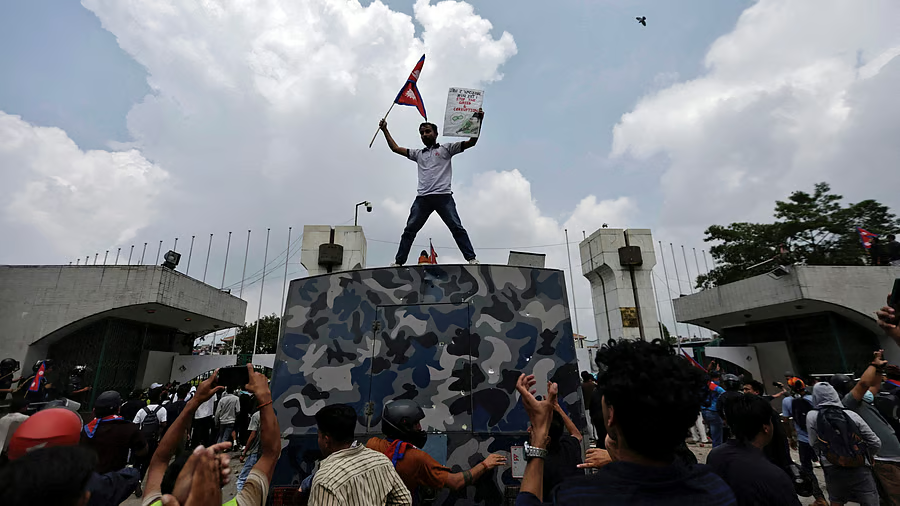
That was my inferno on September 8, 2025 — a microcosm of Nepal's hell. While I dodged balcony baying and police intimidation, Kathmandu's streets became a slaughterhouse. Gen Z students, brave sparks in school uniforms, surged against the same poison: a corrupt cabal looting billions while banning social media to muzzle dissent. Unarmed, chanting "Shut down corruption, not social media," they demanded an end to nepotism, unemployment, and authoritarian chokeholds — the very ones I faced firsthand that day.

What did the state send? Bullets. Live rounds tore through flesh; tear gas choked the innocent. At least nineteen lay dead — kids gunned down mid-protest, one boy felled while handing out water, his uniform now a crimson shroud. Hundreds more were wounded, hospitals stormed by cops who finished the job on the injured, even attacking medics in a frenzy of barbarism. This wasn't crowd control — it was carnage, a crime against humanity where children paid for elders' greed.

Nepal's elite aren't leaders — they're kings in a feudal farce, born to trample the weak and exalt power on innocent backs. Everyone is "equal" in theory, but the poor? We're ants. Human Rights Watch has documented decades of extrajudicial killings, torture in custody, and police shielding abusers while dismissing the desperate. Amnesty International reports unlawful force against protesters, FIRs buried for the marginalized, and rampant corruption funneling billions to cronies. My FIR farce? Standard script. Persist, and threats follow — backed by cops masquerading as protectors. Those students? They marched for my fight: against cops who "tear" justice, thugs who threaten to rape with impunity, a society where the poor are prey.

The UN is "shocked," sputtering for probes as bodies cool. The government lifted the social media ban on September 9 — a coward's retreat after the bloodbath, too late for grace. Curfews clamp Kathmandu, and voices on X cry for Starlink salvation amid the blackout. My threats were whispers; those kids' deaths, a scream silenced forever.

Where does one flee when justice stations spew threats and streets swallow the young? Nepal isn't broken — it's engineered for this savagery, a violation of every human right from life to dignity, enshrined in treaties the powerful spit on. The world has averted its gaze for too long. Now, witness — demand UN-led investigations, international accountability, and sanctions on the butchers in uniform. The youth of Nepal marched for dignity, accountability, and a future. The least the world can do is not look away. World, this is just the tip of the iceberg.
← Back to All Posts

Tolerance Turned Terror:Witnessing Violence in Nepal

tolerance image

We think we are strong when we endure. We mistake patience for ignoring the storm brewing next door and keep silent. But that silence? It doesn't protect us—it builds monsters. Small wrongs pile up. Abuses we shrug off. Threats we dismiss. And the ingrained "me and myself" mentality—that selfish focus on our own lives—keeps us from intervening until the violence crashes through our gates.

On September 8, 2025, in Pokhara, Nepal, our collective tolerance, compounded by systemic corruption, emboldened a neighborhood terror who believed himself untouchable. Tonight, he nearly proved it by trying to kill.

This wasn't a sudden outburst. For months, this man has ruled our streets like a petty tyrant. Every night, he screams vile abuses at the neighborhood, exposing himself, and terrifying anyone who dares to pass by. Two days ago, on September 6, I couldn't take it anymore. He had been shouting nonstop for two to three hours straight, his rage echoing like thunder. I called the police, pleading for help. When they arrived, he simply slunk inside his room and fell silent, as if nothing had happened. The officers? They did nothing—no questions, no warnings, no report. That inaction wasn't oversight—it was the first thread unraveling justice.

But tonight, tolerance turned to terror. Around 8 p.m., he exploded. Storming out with a hasiya—a sharp, foot-long sickle typically used for farming but lethal in vengeful hands—he lunged at a man in our brightly lit street. He attacked, he chased, he destroyed property. I watched in disbelief as he struck the victim's motorbike, leaving marks that told a story of rage. This was no mere scuffle; it was an attempted murder, brazen and unapologetic.

The police arrived promptly this time—sirens blaring, lights flashing. Relief? Hardly. Instead of restraint or arrest, they hesitated. "He's eating," they said. "He's in the bathroom." The man remained free, untouchable, while the victim watched, helpless. The law was present, but justice was absent. The attacker roamed freely, shielded by ties to local power brokers. That connection—an invisible shield—was more potent than any law. And that, perhaps more than the knife itself, was the true danger.

In a country where life is cheap for the unconnected, such impunity isn't rare—it's routine. This microcosm in Pokhara mirrors Nepal's national plague of injustice. According to Transparency International's 2024 Corruption Perceptions Index, Nepal ranks 107th out of 180 countries with a score of 34 out of 100, indicating a high level of perceived public sector corruption. Misuse of power is so widespread that perpetrators often evade justice due to connections or inaction.

Moreover, the police force itself has been criticized for corruption and human rights violations. Officers accused of abuses are rarely held accountable, and investigations often face political interference. In a country where those entrusted to protect the law bend it for convenience, what hope does an ordinary citizen have?

Even if tonight's attack had ended in death, the outcome would likely be the same: freedom for the powerful. This is the sad reality of our "democracy," which has sprouted corrupt "kings" like mushrooms—politicians and cronies who twist the law to their will. We normalize everything: the abuse, the ignored calls for help, the selective enforcement. Corruption is so entrenched that the government itself enables impunity. Life's value plummets unless you're plugged into the elite network.

We cannot change this if we remain silent. The day we rise above "me and mine"—reporting every abuse, demanding accountability from the police we fund with our taxes, and supporting victims beyond our kin—is the day we dismantle these monsters. Every life matters, not just ours.

Change demands small steps: file that FIR, speak when it's uncomfortable, raise your voice when it's undeniable—because tolerance builds this beast; collective courage can slay it. In Pokhara tonight, justice faltered. Tomorrow, let's ensure it rises. The moment we prioritize "us" over "me," true accountability—and a safer Nepal—may finally begin.

← Back to All Posts

Flames and False Promises: Corruption's Phoenix in Nepal

Kathmandu protest fire image

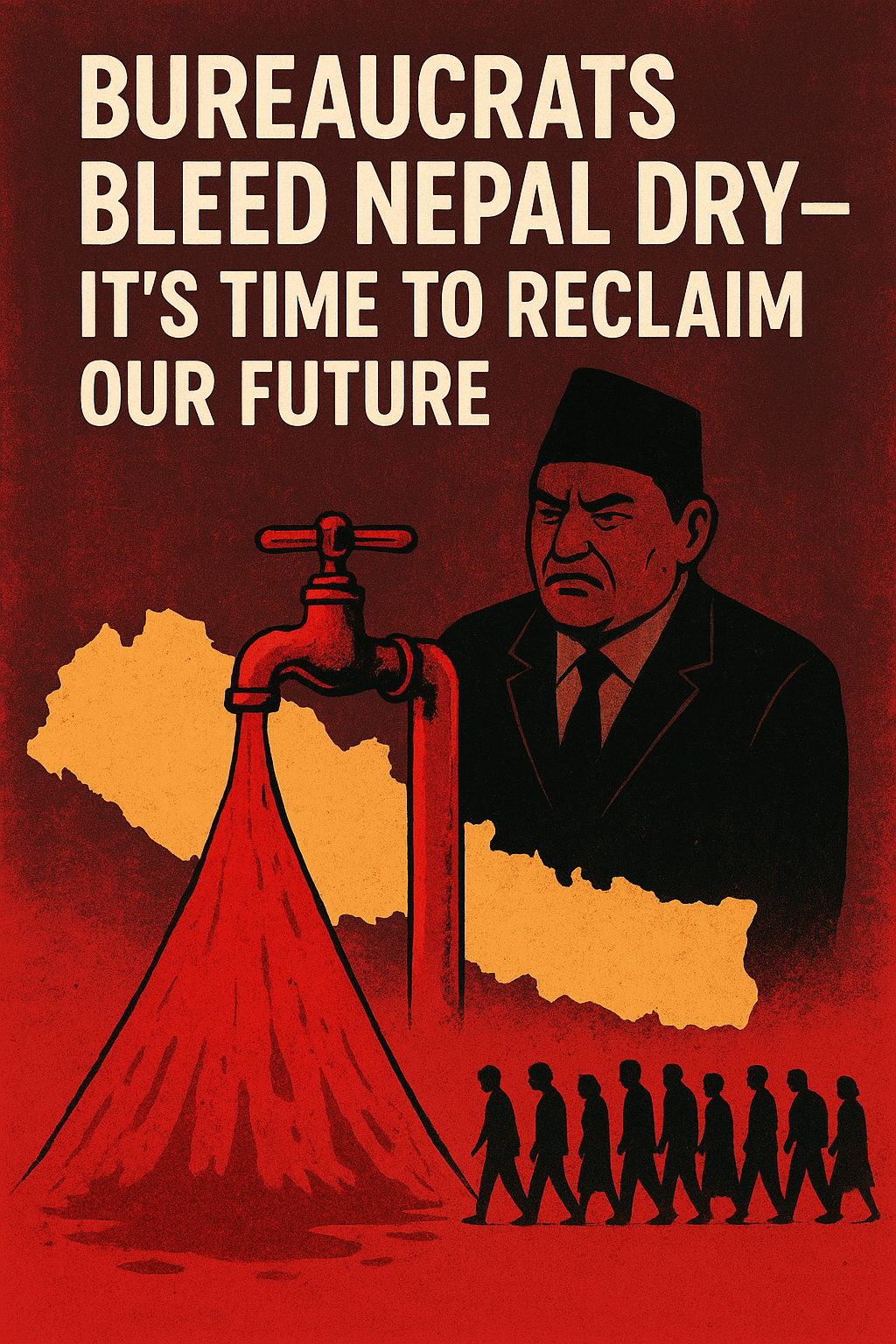
September 9, 2025, Kathmandu burned. Flames swallowed Singha Durbar, the Supreme Court smoldered in ashes, and public banks—symbols of our collective wealth—were ransacked. Nepal's Gen Z, armed with placards, took to the streets to protest corruption, nepotism, and the draconian social media ban—leading a righteous uprising that forced Prime Minister K.P. Sharma Oli's resignation. But lurking in the shadows of their fury were opportunists—thieves in protestors' clothing—who looted, torched, and turned a cry for justice into mindless destruction. More than nineteen lives extinguished, curfews choking the streets—we must ask: did this destruction dismantle corruption, or did it hand the corrupt a blank check? Violence doesn't fix Nepal's broken system—it fuels it. To end corruption, we must expose bureaucrats, business elites, and institutions that prop it up, not burn the nation we're fighting to save.

Let's honor the truth: Gen Z's anger is righteous. They marched against a system most Nepalis see as broken. A national survey shows 86% believe politicians are corrupt, and 82% feel the same about bureaucrats. Nepal's 2024 Corruption Perception Index (CPI) score of 34 out of 100—down from 35 last year—puts us 107th globally, a clear sign of systemic rot.

But the opportunists who looted and burned disgraced the cause. Destroying public property—90% of which now needs rebuilding—doesn't weaken corruption; it creates a goldmine for the corrupt. Take the Melamchi Water Supply Project—it bled dry by billions in kickbacks—showing what happens next: bureaucrats will award reconstruction contracts to cronies, skimming millions from our taxes. The 2015 earthquake reconstruction saw similar plunder—Transparency International noted 20–30% of funds lost to graft, with bureaucrats and contractors colluding to inflate costs.

This isn't just a Nepal story. Globally, weak institutions have allowed corruption to surge after crises—think post–Arab Spring Libya and Yemen. Nepal risks the same fate if chaos overshadows purpose.

Corruption isn't just politicians—it's the system. Bureaucrats demand bribes for every step of daily life. Over two-thirds of firms pay bribes to secure public contracts, with cartels and kickbacks inflating road projects by Rs 8–14 billion. Local governments, topping the CIAA's complaint list with 52.8% of cases, spent Rs 7.22 billion without competitive bidding, squandering Rs 185 million on unauthorized travel and hospitality. The Auditor General's reports lay bare this rot, yet bureaucrats face little scrutiny. Meanwhile, politicized institutions like the Commission for the Investigation of Abuse of Authority (CIAA), Public Service Commissions, and the judiciary shield the corrupt, starving education and health budgets to fund mega-projects ripe for misuse.

Take the wide-body aircraft scandal: senior bureaucrats and politicians siphoned millions through fraudulent deals, with 32 officials implicated. The fake Bhutanese refugee scam saw bureaucrats forge IDs to traffic Nepalis abroad, pocketing crores while betraying desperate families. And the cooperative scandal? Billions looted from citizens' savings, with officials either complicit or willfully blind. Education and health budgets have shrunk by 15% over a decade, while mega-projects like the Pokhara International Airport—riddled with cost overruns—suck public funds dry.

Listen to Nepalis: "Every other house in Kathmandu belongs to a civil servant—how do they afford it?" one citizen asked online. Another fumed, "At the ward office, they demanded Rs 15,000 for 'expedited service'—that's corruption in broad daylight." A third voice cuts deeper: "They don't even spare medical supplies or vaccines—bureaucrats profit while we die." These voices echo a truth: corruption thrives because we've let it. We pay the bribes, stay silent, and enable the system. Every Nepali knows the sting of a "tea money" demand, the frustration of a file stalled until a payoff is made. We've normalized this theft, but no more.

This is our turning point, as pivotal as 2006 when Nepal ended its monarchy. But look at Bangladesh and Sri Lanka in 2022—youth toppled governments, yet corrupt systems endured. Nepal can be different. Stop paying bribes. Report every demand for "fees" to the CIAA, now empowered to probe bureaucrats' wealth: how did you buy that mansion? Where did that luxury car come from? In 2024/25, the CIAA filed cases against 92 officials, including former PM Madhav Nepal, in land scams and recovered Rs 1.5 billion in illicit assets. Push them harder—every suspicious bureaucrat must face scrutiny.

Aspiring civil servants, serve your nation, not your wallets. Demand the CIAA, PSC, and judiciary be freed from political claws. Prioritize education and health over corruptible mega-projects. Citizens, use your phones: record bribe demands, share them online, and flood the CIAA's hotline (01-4440151). Every refusal, every report, is a dagger to corruption's heart.

Violence burns our future; accountability builds it. September 9 showed the world what Nepalis can do in 24 hours. Now, let's show the corrupt what we can do with our voices, our refusal to comply, and our demand for justice. From Biratnagar to Bhaktapur, from the Terai to the Himalayas, let's ignite a new fire—one of transparency that exposes every bureaucrat, every elite, every institution profiting off our pain. Nepal is ours—not the bureaucrats' or elites'. Let's reclaim it with transparency, not torches.

← Back to All Posts

When Grammar Becomes a Story: Rethinking How We Teach

Teaching through stories

Studying and teaching have often been labeled as some of the most boring things in the world. But for me, learning was never boring.

Even as a child, I loved to learn. I was one of those students who would read the entire course book at home and then raise my hand again and again in class the next day to ask questions. My teachers were patient and supportive — they answered every question I had, no matter how small. For me, learning was play. But as I grew older, I realized that not everyone felt the same way.

When I began teaching at the orphanage, I noticed that for many children, learning was a burden. Especially grammar. The very mention of "grammar" made them restless. That's when I began questioning our traditional education system — one that often prioritizes memorization over imagination.

As I researched more, I discovered that many institutions around the world were breaking this pattern. They taught through interactive methods — stories, real-life connections, and creative expression. That inspired me to create my own teaching curriculum — one where learning happens naturally, through stories.

Turning Grammar into Stories

On my first day at the orphanage, I gave the children a simple grammar test. Almost everyone struggled. So, from the next day, I decided to change everything. I began teaching grammar through stories.

I told stories of superheroes and magic apples, of dreams and friendship — and hidden inside every story was a grammar lesson.

The first story we created together started with a single word. I asked the class to name any English word. The room went silent until a small boy whispered, "Apple."

And that's where it began.

We made up a story about an apple that fell from a tree, rolled down a hill, met the sun, and learned how to grow again. Along the way, we used verbs, prepositions, and tenses — but the children didn't realize they were learning grammar. They were simply imagining, laughing, and building a story.

Next, we wrote a superhero story — one where "Helping Verbs" became real heroes who saved the "Sentences" from confusion. Another day, I told them about my own journey — and we used it to learn past, present, and future tenses.

Every worksheet I created had drawings, imagination prompts, and creative writing sections. The children weren't just learning grammar — they were living it.

Why Stories Work

Stories connect emotions with information. Children remember what they feel, not just what they hear. When grammar is taught through stories, it transforms from a set of rules into a rhythm — something that flows naturally in the mind.

Through storytelling, I've seen students who once struggled with English start speaking confidently, writing creatively, and even making their own stories. Grammar became a bridge, not a barrier.

What's Next

Now, I am preparing to publish the Clean Start Curriculum — a creative English learning model built for children in under-resourced communities. It includes story-based worksheets, activities, and lesson plans that make grammar fun and meaningful.

Because education should never be about fear — it should be about curiosity, imagination, and joy.

← Back to All Posts

Clean Start: Born from a Bandage and a Dream

Clean Start project origin

Clean Start was not born out of luxury or experimentation — it was born out of necessity, right on my dining table.

When I began teaching at an orphanage, I believed my role was simply to educate and inspire. But one afternoon, as I was bandaging a boy's scraped knees, I noticed something that changed everything — his hands were dirty, cracked, and small. Around me, a few girls had their heads shaved because of scalp infections.

That night, I couldn't stop thinking about what I had seen. These children, so full of potential, were battling preventable health issues. It struck me that no education can flourish without basic hygiene. If we truly care about our future, we must first care for our children. They deserve to be protected, taught, and given a clean start in life.

That was the night Clean Start was born.

The First Steps

Our first launch happened right there — in the orphanage where I taught. We began with simple hygiene education and basic kits: soap, nail clippers, towels, and toothpaste. It was a small step, but it made a visible difference.

Still, I couldn't ignore a bigger question: if an orphanage with decent facilities faced such challenges, what about children in the slum areas of Pokhara?

Expanding Our Reach

So I decided to take Clean Start further. I reached out to different organizations — UNICEF Nepal, JICA Nepal, and several local NGOs. Most never replied. Some politely declined. But one day, I walked into GONESA Nepal, an NGO that has been working since 1989 — and they welcomed me with open arms.

They didn't just appreciate the initiative; they offered real support. Together, we decided to bring Clean Start to two slum communities in Pokhara where GONESA was already running literacy programs.

To fund the project, I placed a QR donation code at my family's grocery store. Each small donation helped me buy hygiene kits for children — proof that even small acts can create big change.

Looking Ahead

That was just the beginning.

Today, Clean Start continues to grow. Our next focus is hygiene literacy for teenage girls, especially on menstrual hygiene and reproductive health. Many young women in Nepal are still unaware of essential hygiene practices, which contributes to preventable health issues, including vaginal cancer. Through Clean Start, we aim to change that — one workshop, one kit, and one conversation at a time.

Clean Start is not just a project — it's a promise.
A promise that every child deserves to grow up healthy, confident, and cared for.
A promise that compassion can be turned into action.

← Back to All Posts

Why I Stopped Complaining and Started a Classroom

Holistic learning lab classroom

I was a very inquisitive child, always asking how and why. Why is the sky blue? Why do we see stars? "Why" was not just a question, but a great source of joy. It made me feel alive. I used to pay attention to my teachers and tried understanding, and with that knowledge I was doing well in exams till class 10.

In Nepal, when you perform well in school, there's an unspoken rule: you take science. Science means you're "smart." It's the dream parents have, the proof that all your years of studying have been worth it. My parents weren't educated and I didn't have access to guidance counselors. So, I did what was expected. I took science.

I was suddenly surrounded by formulas to memorize and lessons written decades ago. While my friends studying A-levels were learning about the modern world—climate change, new discoveries, global issues—I was still solving problems about machines that didn't even exist anymore. But anyhow I survived. I worked hard, tried to adapt and passed my exams.

Still, expectations don't fade easily. People saw me as a "bright student." In Nepal, that title comes with only two acceptable futures: doctor or engineer. Becoming a doctor was beyond my family's means, so I chose engineering, hoping maybe things would change. But it was the beginning of the phase in my life when I doubted myself the most.

The Breaking Point

Engineering I thought was about hands-on experience, practical and applicable knowledge but it was all about memorizing everything that was in the manual. If one or two words get here and there, you might fail the exam. There is no creative liberty, no space for applying what you learn, just copy/paste what is in the manual. But I am the kind of person who likes to reach the depth. If I'm studying something I have to understand and I write that in the exam. But even in subjects that need understanding, you are expected to rote-memorize the guide book and write.

The Turning Point

The true intellectual shift, the moment the light snapped on, came not in a classroom but in the field during my final year project. We were designing an earthquake resistant building, and our research led us to interview victims of Nepal's devastating earthquakes. That was the instance I saw what true resilience and grit is all about. And it comes when you stop complaining about what happens in life and start focusing on what you can do now. I realized something profound: Our education system doesn't teach us to understand people—it teaches us to solve equations. That moment changed everything.

Rediscovering My "Why"

Now, I started questioning again. Why were we memorizing theories from centuries ago when the world outside was changing every second? Why were our schools producing obedient test- takers instead of curious thinkers? I started researching. I devoured everything I could find about education systems around the world. I learned about Minerva University's focus on critical thinking over rote learning. I studied Finnish models and project-based learning.

The Holistic Learning Lab

I started mapping out my own education pedagogy. That's how the Holistic learning lab was born, in Annapurna Self-sustaining home with bright, curious and enthusiastic children who reminded me of how I was as a child. Those children became my greatest teachers. The holistic learning lab became a space for learning English through fun, understanding life and applying what you learn everyday.

I used to think change needs power, position, or policy. But I've learned the real change begins when we turn inward reflection outward, one lesson at a time.
I stopped complaining because I realized I was capable of creating the kind of education I always longed for.
And that's how I started a classroom.

← Back to All Posts

Beyond Rote: What My Students Taught Me About Real Learning

Holistic Learning Lab classroom

When I first started the Holistic Learning Lab, I thought I was there to teach. But soon I realized that I was the one learning through those children about patience, curiosity and what learning is all about.

I recall a timid and shy girl, Alisha who struggled with almost everything at first. She could memorize words from the textbook, but when asked to explain them, she would look at me blankly. She could articulate her thoughts properly in Nepali and write them too but in English she looked confused and never asked any questions. Her lack of confidence in English and performance in class seemed to remind her that she wasn't "good enough".

The Pattern of Survival

For weeks, I saw the same pattern. She copied sentences perfectly but couldn't form sentences on her own. She had learned to survive the system, not to enjoy it.

The Superhero Breakthrough

Then came our Superhero unit. Students were asked to create their own heroes to solve real problems in the communities. Instead of memorizing grammar rules, they had to use English to imagine, describe and perform. I vividly remembered Alisa that day. She stood up and gave one of the thoughtful answers that day.

"My superhero's name is Water Saver. He stops people from wasting water and teaches them to keep the tap closed."

Her words were broken but alive. She was very confident and for the first time, she was not repeating what I had taught. She was creating something of her own.

The Real Purpose of Learning

That moment again ignited the purpose of the Holistic Learning Lab. The main idea is to understand that the brilliance doesn't always shine on the paper, sometimes it's waiting for the kind of space to emerge.

After describing her Superhero, Alisa whispered to me, "Miss, I didn't forget anything today."
That sentence has stayed with me. Because what she meant wasn't that she remembered facts—it was that she finally understood.

Impact Verification

Clean Start Project — Partner: GONESA Nepal

Verified impact: 100+ children, 3 communities.

View Verification Letter (PDF)

Holistic Learning Lab — Literacy Curriculum Pilot

Verified literacy improvement: +30% (pre/post assessment).

View Verification Letter (PDF)

Certificates of Completion

International Women's Health & Human Rights — Stanford Online

View Certificate (PDF)

Diversity & Inclusion — University of Glasgow

View Certificate (PDF)

From Climate Science to Action — World Bank Group

View Certificate (PDF)

How to Achieve the SDGs — SDG Academy

View Certificate (PDF)

Send a Message

Get In Touch

I'm always interested in connecting with fellow changemakers, educators, and organizations working in education and community development.

Email

deepti.tpath6@gmail.com